
Car Impoundment for Driving Without Insurance — Illinois
Free to compare
When Illinois Officers Impound Uninsured Vehicles
You were stopped for a minor violation or a routine check, and when the officer asked for proof of insurance you realized the card in your glove box shows a different vehicle. Or you added a third car to your household policy last month and never received the updated cards. Or your spouse handles the insurance and you genuinely do not know which policy covers which car. The officer tells you the vehicle will be towed. In Illinois, an officer who stops a driver unable to prove insurance has the statutory authority to impound the vehicle immediately under administrative suspension rules (625 ILCS 5/11-501.1). The impound is not a punishment for the violation itself — it is a procedural consequence of failing to demonstrate coverage at the roadside.
This creates a specific procedural problem for households insuring multiple vehicles on one policy. The multi-car discount requires every vehicle to sit on the same policy, but many carriers issue one card per vehicle rather than a single card listing all cars. If you are driving Car B and carrying only the card for Car A, you cannot prove coverage for the vehicle you are operating, even though both cars are insured under the same policy. The officer does not have access to your carrier's database at the roadside. What you can produce in that moment determines whether the car gets towed or you drive away with a citation.
“The officer cannot verify your household policy remotely — if the card does not match the vehicle, the car can be impounded on the spot.”

See What Illinois Drivers Pay for the Coverage They Need
Get My Illinois Car Insurance Quote$25,000 / $50,000 / $20,000
Illinois Minimum Liability Limits
Illinois requires $25,000 bodily injury per person, $50,000 per accident, and $20,000 property damage. Driving without proof of these minimums triggers the impound authority. Uninsured motorist coverage is also mandatory in Illinois.
Illinois statutory minimums
What Counts as Proof at the Roadside
Illinois law requires drivers to carry proof of financial responsibility, and the statute defines acceptable forms narrowly. A physical insurance card issued by your carrier, an electronic display of the same card on your phone, or a binder issued by your agent all qualify. A verbal statement that you have insurance does not. A policy number without supporting documentation does not. A card for a different vehicle on the same policy does not, unless that card explicitly lists all insured vehicles.
Most carriers that write multi-car policies issue separate cards per vehicle. State Farm, Allstate, Progressive, and Geico all follow this pattern in Illinois. If your household policy covers three cars and you are driving the third car but carrying only the card for the first, the officer sees a mismatch between the vehicle identification number on the card and the VIN on the car you are driving. That mismatch reads as no proof, and no proof triggers impound authority.
Some carriers issue a single card listing all vehicles on the policy. USAA and American Family have historically used this format. If your carrier uses the all-vehicles card format, one card proves coverage for every car on the policy. If your carrier issues per-vehicle cards, you must carry the correct card for the vehicle you are driving, or carry all cards for all vehicles if multiple household members share driving duties across cars.
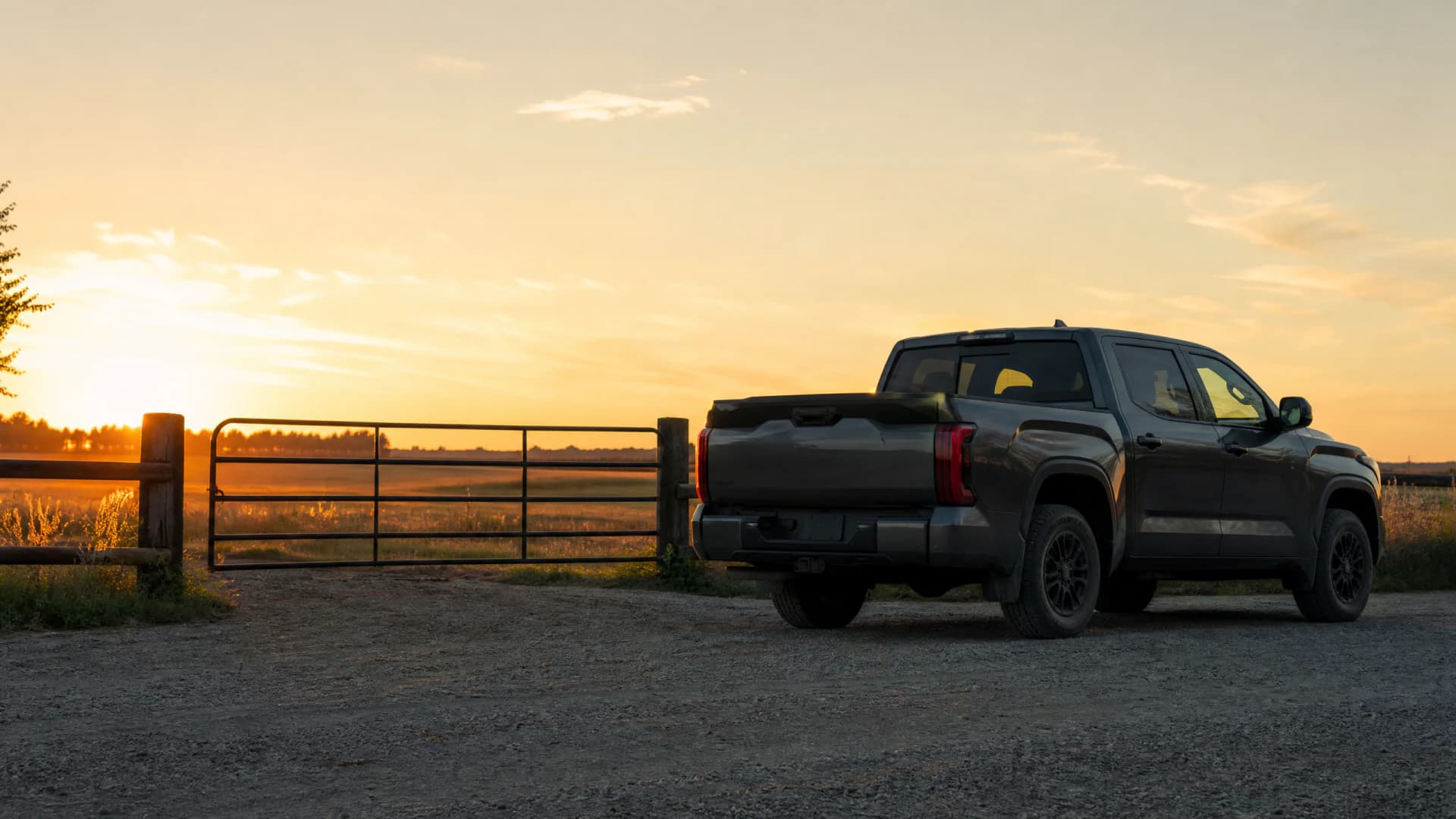
The officer cannot verify your household policy remotely. If the card you produce does not match the vehicle you are driving, the car can be impounded on the spot.



What Happens After Impound
If the vehicle is impounded, you face three separate costs: the citation fine for driving without proof of insurance, the tow fee charged by the impound lot, and daily storage fees until you retrieve the car. Illinois does not publish a fixed fine amount for failure to provide proof of insurance, but municipal and county courts typically assess $500 to $1,000 for a first offense. The tow and storage fees are set by the impound facility, not the state, and vary by location.
To retrieve the vehicle, you must provide proof of insurance to the impound facility and pay all tow and storage fees in full before release. If you could not prove coverage at the roadside because you were carrying the wrong card, you now bring the correct card or a policy declaration page showing the impounded vehicle. If the car genuinely was not insured at the time of the stop, you must purchase coverage, obtain proof from the carrier, and present it to the facility. The impound lot will not release the vehicle without proof, regardless of how many days have passed.
The citation itself carries a separate consequence. Illinois assesses no points for failure to provide proof of insurance, but the violation appears on your driving record and your carrier will see it at your next renewal. Some carriers treat proof-of-insurance violations as administrative rather than moving violations and do not surcharge for them, but others re-rate the policy. If the stop revealed that the vehicle genuinely was uninsured, Illinois requires SR-22 filing for 3 years after reinstatement. The SR-22 filing itself carries no state fee, but carriers that write SR-22 policies typically charge higher premiums than standard carriers.
15.2%
Illinois Uninsured Motorist Rate
15.2% of Illinois motorists drive without insurance. Officers use impound authority to remove uninsured vehicles from the road immediately, reducing the risk that an uninsured driver continues operating the vehicle after receiving a citation.
Insurance Research Council, 2023
Multi-Car Policy Structure and Proof Requirements
Households insuring multiple vehicles on one policy receive the multi-car discount, but the discount structure does not change the per-vehicle proof requirement. Each car on the policy must be individually provable at a traffic stop. If your household policy covers four cars and you receive one card listing all four vehicles, any household driver can prove coverage for any car with that single card. If your carrier issues four separate cards, each driver must carry the card for the specific vehicle they are driving.
When you add a vehicle to an existing multi-car policy, the new car is typically covered immediately under the policy's automatic coverage provision, but that coverage is not provable until the carrier issues documentation. Most Illinois carriers extend automatic coverage for 14 to 30 days after you acquire a new vehicle, giving you time to formally add it to the policy. During that window, the new car is insured, but you have no card to prove it. If you are stopped while driving the new car before the updated cards arrive, you cannot prove coverage, and the vehicle can be impounded even though it is technically insured under your household policy.
Compare Carriers and Secure Proof for Every Vehicle
The procedural fix is straightforward: request updated proof-of-insurance cards every time your household policy changes, store digital copies accessible to every driver, and verify that each driver carries the correct card for the vehicle they are operating. If your current carrier's card-issuance process creates gaps — slow mail delivery, per-vehicle cards that are easy to misplace, or no electronic proof option — compare carriers that offer instant digital proof through a mobile app. Progressive, Geico, State Farm, and Allstate all provide app-based proof-of-insurance displays that update immediately when you add or remove a vehicle. Switching to a carrier with better digital-proof infrastructure eliminates the card-mismatch risk that leads to impound.
Preventing Impound Before the Stop
Request updated cards every time you add or remove a vehicle from your household policy. Many carriers mail updated cards automatically within 7 to 10 business days of a policy change, but not all do. If you added a car mid-term and have not received new cards within two weeks, call your agent or the carrier's service line and request them. Most carriers can email a temporary proof-of-insurance document immediately while the physical cards are in transit. Download that document to your phone and keep it accessible. If you are stopped before the physical cards arrive, the emailed document satisfies the proof requirement.
Store digital copies of all vehicle cards in a single location every household driver can access. A shared cloud folder, a household password manager, or a carrier mobile app that displays all policy vehicles works. If your carrier issues per-vehicle cards, each driver needs access to the card for every car they might drive. If your spouse typically drives Car A and you drive Car B, but you occasionally swap, both of you need both cards. The officer does not care which car you usually drive — only whether you can prove coverage for the car you are driving right now.
Get Your Free Quote
Get My Illinois Car Insurance QuoteFrequently Asked Questions
Can I show my insurance policy on my phone to avoid impound in Illinois?
Yes, if the document is an official insurance card or policy declaration issued by your carrier. Illinois law accepts electronic proof of insurance. A screenshot of your policy summary page, an email from your agent, or a photo of a card for a different vehicle does not qualify. The document must show the vehicle identification number matching the car you are driving.
What happens if I have insurance but left the card at home?
The officer can still impound the vehicle. Illinois law requires you to carry proof of insurance while operating the vehicle, not merely to possess insurance. If you retrieve the card and present it to the court before your hearing date, many judges dismiss the citation, but the impound and tow fees are not refunded. The procedural consequence happens at the roadside, not in court.
Does adding a car to my policy automatically update my insurance card?
No, most carriers mail updated cards 7 to 10 business days after you add a vehicle. During that window, the new car is covered under your policy's automatic coverage provision, but you have no card to prove it. Request a temporary proof-of-insurance document by email or through your carrier's app immediately after adding the vehicle to avoid a gap.
Can my spouse's insurance card prove coverage for a car I am driving?
Only if the card lists the vehicle you are driving. If your household policy covers multiple cars and your carrier issues one card per vehicle, your spouse's card for Car A does not prove coverage for Car B, even though both cars are on the same policy. Carry the card for the specific vehicle you are operating, or use a carrier that issues a single card listing all policy vehicles.
How long does an impounded car stay in the lot if I cannot prove insurance?
Until you provide proof of insurance and pay all tow and storage fees. The impound facility will not release the vehicle without proof, regardless of how many days have passed. If you cannot prove coverage because the vehicle genuinely was uninsured, you must purchase a policy and obtain documentation before the facility will release it.
Will my insurance rate go up after a failure-to-provide-proof citation?
It depends on your carrier. Illinois assesses no points for this violation, but it appears on your driving record. Some carriers treat proof-of-insurance violations as administrative and do not surcharge, while others re-rate the policy at renewal. If the stop revealed that the vehicle was genuinely uninsured, Illinois requires SR-22 filing for 3 years, and SR-22 policies typically cost more than standard coverage.