
Minimum Coverage for Multiple Cars — Illinois
Free to compare
The Minimum-Coverage Question When You Own Multiple Cars
You own two or more vehicles, and you're trying to figure out whether Illinois minimum liability coverage is enough for all of them, or whether you need full coverage on some or all. The confusion comes from the fact that minimum liability is a legal floor — it's what the state requires to register and drive — but it covers only damage you cause to other people and their property. It pays nothing toward your own cars.
The decision isn't all-or-nothing across your household. You can carry minimum liability on one vehicle and full coverage on another, as long as every car meets the state's liability floor. The question becomes: which of your vehicles can you afford to replace or repair out of pocket if you wreck it, and which ones can't you?
“Minimum liability keeps you legal and protects other drivers — it pays nothing toward your own cars.”

See What Illinois Drivers Pay for the Coverage They Need
Get My Illinois Car Insurance Quote$25,000 / $50,000 / $20,000
Illinois Minimum Liability Limits
Illinois requires $25,000 bodily injury per person, $50,000 bodily injury per accident, and $20,000 property damage on every registered vehicle. These amounts cover damage you cause to others — not your own car.
Illinois Secretary of State, statutory liability minimums
What Illinois Minimum Liability Actually Covers Across Your Vehicles
Illinois minimum liability — $25,000 per person, $50,000 per accident, $20,000 property damage — applies separately to each vehicle on your policy. If you own three cars, all three must carry at least these limits. The coverage pays for injuries and property damage you cause to other drivers, pedestrians, and their vehicles. It does not pay to repair or replace any of your own cars after a collision, theft, fire, or weather damage.
Illinois also requires uninsured motorist coverage at the same $25,000/$50,000 limits unless you reject it in writing. Uninsured motorist pays for your injuries when an at-fault driver has no insurance, but it still does not cover your vehicle. To protect your own cars, you add collision coverage (pays for crash damage to your car regardless of fault) and comprehensive coverage (pays for theft, vandalism, hail, fire, animal strikes). These are optional under Illinois law.
The structural reality: minimum liability keeps you legal and protects you from lawsuits when you cause a crash, but it leaves every vehicle in your household exposed to total loss if you wreck it or it's stolen. Whether that exposure is acceptable depends on each car's value and your household's ability to absorb the replacement cost.
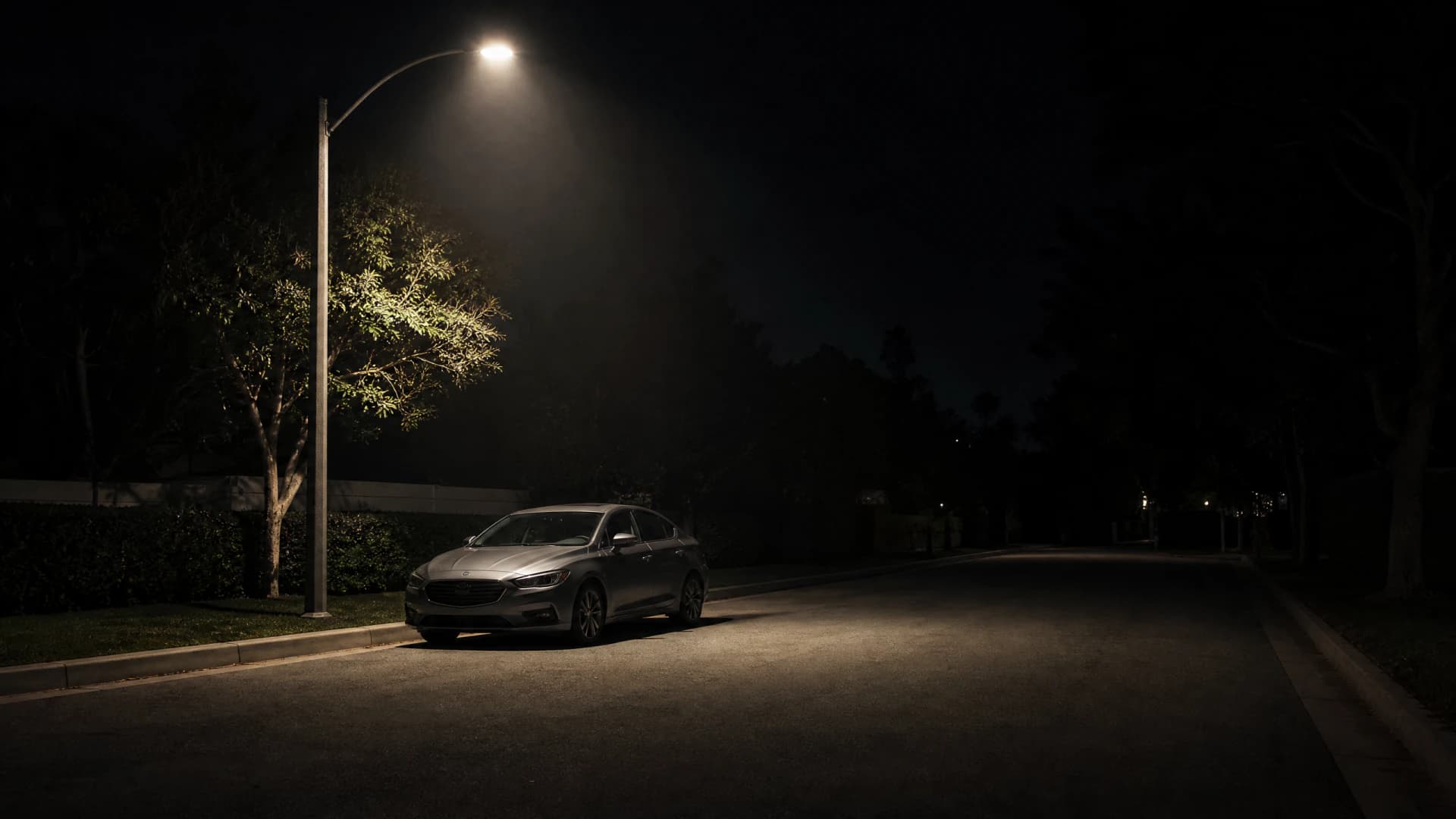
Minimum liability protects other drivers. It pays zero dollars toward repairing or replacing your own vehicles — that's what collision and comprehensive cover.
Related Articles





The Multi-Car Discount and How Coverage Choices Affect It
Illinois carriers offer a multi-car discount when you insure two or more vehicles on the same policy. The discount applies to the total premium, but the amount varies by carrier and by the coverage levels you choose. Carrying full coverage on all vehicles produces a higher base premium than carrying liability-only on some, but the multi-car discount percentage applies to whichever total you build.
The discount does not change the per-vehicle coverage decision. You still evaluate each car's value and decide whether collision and comprehensive are worth the cost for that specific vehicle. The multi-car discount reduces the combined premium regardless of whether you carry identical coverage on every car or mix full coverage and liability-only across the household.
One structural quirk: some carriers calculate the discount as a percentage off each vehicle's premium, others as a flat reduction per additional car, and others as a percentage off the total policy premium. The mechanics vary, but the principle holds — insuring multiple cars on one policy costs less than insuring them separately, and you control the coverage level per vehicle within that shared policy.
15.2%
Illinois Uninsured Motorist Rate
Roughly one in seven drivers on Illinois roads carries no insurance. Uninsured motorist coverage is required at $25,000/$50,000 unless you reject it in writing, and it pays for your injuries when an at-fault driver has no coverage.
Insurance Research Council, 2023 uninsured motorist data

When Lenders and Leaseholders Override Your Coverage Choice
If you finance or lease any vehicle in your household, the lender or leasing company requires collision and comprehensive coverage on that specific car. The requirement appears in the loan or lease agreement, and it stays in force until the loan is paid off or the lease ends. You cannot carry liability-only on a financed or leased vehicle even if you want to — the lienholder will force-place coverage at a much higher cost if you drop it.
This means the per-vehicle coverage decision applies only to cars you own outright. For financed and leased vehicles, full coverage is mandatory, and the only question is whether you carry higher liability limits or add optional coverages like rental reimbursement or roadside assistance. Once you pay off the loan, the lender's requirement disappears, and you can drop collision and comprehensive if the car's value no longer justifies the premium.
Compare Carriers That Write Multi-Vehicle Policies in Illinois
Illinois has a deep carrier roster — State Farm, Geico, Progressive, Allstate, Country Financial, and dozens of others write multi-car policies statewide. Premium varies widely by carrier even when coverage is identical, and the multi-car discount structure differs across companies. Some carriers offer steep discounts for three or more vehicles; others front-load the discount on the second car and taper after that.
Request quotes from at least three carriers, and specify the exact coverage level you want on each vehicle: liability-only on the older car, full coverage on the two newer ones, or whatever mix fits your household. The quote should reflect the multi-car discount automatically. Compare the per-vehicle breakdown, not just the total premium — you want to see how each carrier prices the liability-only vehicle versus the full-coverage vehicles, because that split affects your decision if you're on the margin about dropping collision and comp on a mid-value car.
How to Decide Which Vehicles Need Full Coverage
Start by listing each vehicle's current market value.
Below that threshold, many households self-insure by carrying only liability. Above it, the cost of replacing the car out of pocket usually justifies the collision and comprehensive premium. Apply this per vehicle — your household might carry full coverage on two newer cars and liability-only on an older third car you use for errands.
Get Your Free Quote
Get My Illinois Car Insurance QuoteFrequently Asked Questions
Can I carry minimum liability on one car and full coverage on another in Illinois?
Yes. Illinois requires every vehicle to meet the $25,000/$50,000/$20,000 liability minimum, but collision and comprehensive are optional. You can carry liability-only on one car and full coverage on another as long as both meet the state's liability floor.
Does the multi-car discount apply if I carry different coverage levels on each vehicle?
Yes. The multi-car discount applies to the total policy premium regardless of whether you carry identical coverage on every vehicle. You control the coverage level per car, and the discount reduces the combined premium.
What happens if I wreck a car that only has minimum liability coverage?
Your liability coverage pays for damage you cause to the other driver and their vehicle, up to your policy limits. It pays nothing toward repairing or replacing your own car. You pay that cost out of pocket or the car is totaled.
Do I need uninsured motorist coverage on every vehicle in Illinois?
Illinois requires uninsured motorist coverage at $25,000/$50,000 on every vehicle unless you reject it in writing. The coverage pays for your injuries when an at-fault driver has no insurance, but it does not cover vehicle damage.
Can I drop collision and comprehensive on a financed car in Illinois?
No. Lenders and leasing companies require collision and comprehensive coverage on financed and leased vehicles until the loan is paid off or the lease ends. If you drop it, the lender will force-place coverage at a higher cost.
How do I know if a car is worth carrying full coverage on?
Compare the car's current market value to the annual cost of collision and comprehensive coverage. Above that threshold, the replacement cost usually justifies the premium.