
Property Damage Liability Coverage — Illinois
Free to compare
Illinois Requires Property Damage Liability Coverage
Illinois law requires every registered vehicle to carry property damage liability coverage with a minimum limit of $20,000 per accident. This is not optional. You cannot register a vehicle, renew your registration, or legally drive in Illinois without meeting this requirement. The mandate applies to every car on your policy, whether you insure one vehicle or four.
Property damage liability pays for damage your vehicle causes to someone else's property in an at-fault accident: their car, a fence, a building, or other physical property. It does not pay for damage to your own vehicle. That distinction confuses many drivers who assume liability coverage protects their own cars, or who conflate property damage liability with collision or comprehensive coverage when structuring a multi-car policy.
“The $20,000 minimum is a per-accident limit, not a per-vehicle limit, and a single accident damaging multiple cars can exhaust it quickly.”

See What Illinois Drivers Pay for the Coverage They Need
Get My Illinois Car Insurance Quote$20,000
Illinois Property Damage Minimum
Illinois requires $20,000 property damage liability per accident, alongside $25,000 bodily injury per person and $50,000 bodily injury per accident. These three limits together form the state's minimum liability requirement, often written as 25/50/20.
Illinois Secretary of State, state minimum liability requirements
What Property Damage Liability Actually Covers
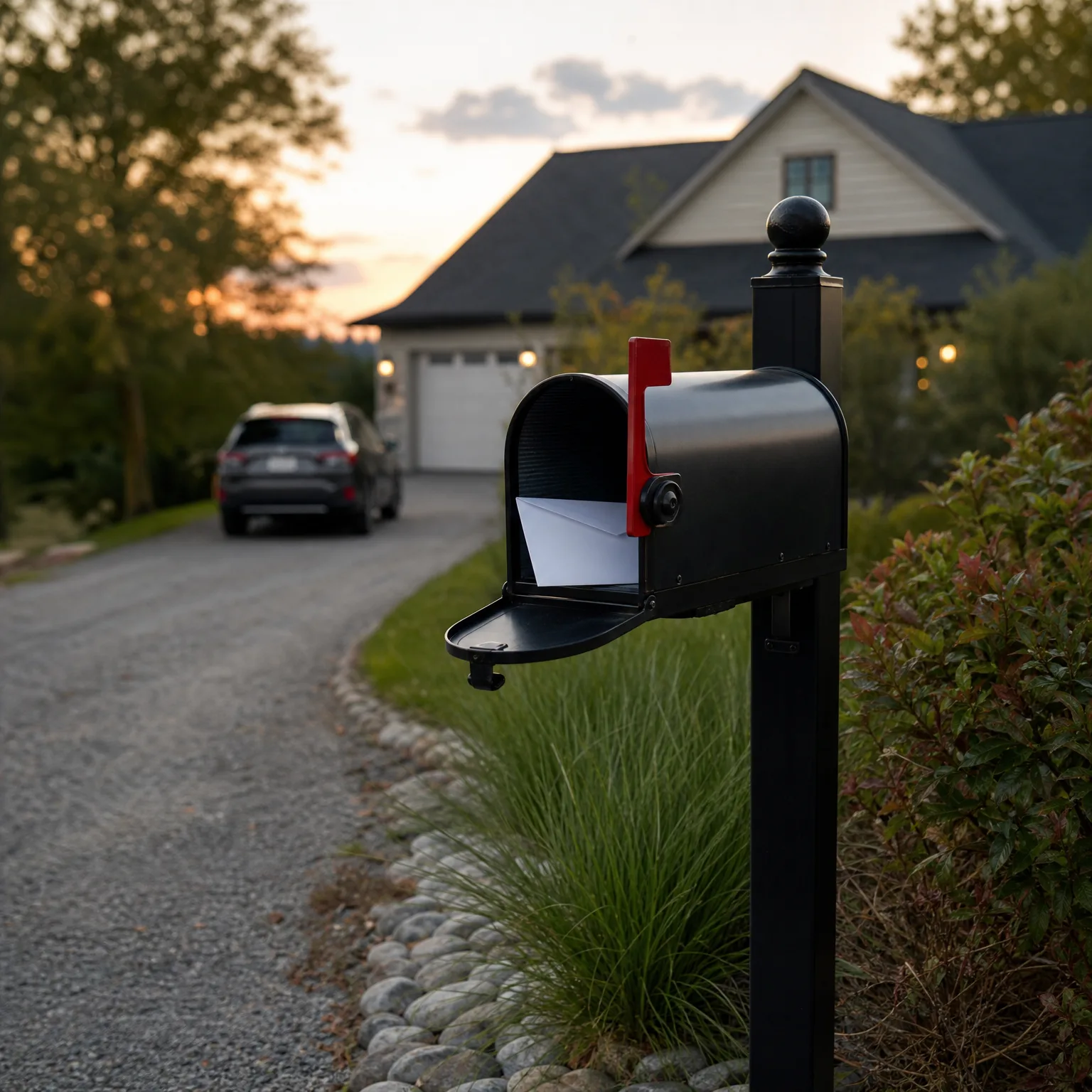
Property damage liability covers the cost of repairing or replacing property you damage in an at-fault accident. The other driver's vehicle is the most common claim, but the coverage extends to any physical property: a mailbox, a storefront, a guardrail, or a parked car. Your insurer pays the claim up to your policy limit, then the other party can pursue you personally for any amount above that limit.
The $20,000 minimum is a per-accident limit, not a per-vehicle limit. If you cause an accident that damages three parked cars, the $20,000 covers all three combined. If total repair costs exceed $20,000, you are personally liable for the difference. This is why many drivers carry higher limits, particularly when insuring multiple vehicles on one policy.
Property damage liability does not cover your own vehicle. It does not cover damage you cause to your own property. It does not cover medical bills or lost wages. Those are separate coverages: collision pays for your own car, bodily injury liability pays for others' injuries, and personal injury protection or medical payments coverage pays for your own medical costs.

The $20,000 minimum applies per accident, not per vehicle. A single accident damaging multiple cars can exhaust your limit quickly, leaving you personally liable for the rest.


Property Damage Liability Versus Collision and Comprehensive
Property damage liability, collision, and comprehensive are three separate coverages that pay for different things. Property damage liability is mandatory and pays for damage you cause to someone else's property. Collision is optional and pays for damage to your own vehicle in an accident, regardless of fault. Comprehensive is optional and pays for damage to your own vehicle from non-collision events: theft, vandalism, hail, fire, or animal strikes.
When you insure multiple vehicles, you choose collision and comprehensive separately for each car. A household with three cars might carry full coverage on the two newer vehicles and liability-only on the older one. That is a common structure. The older car still carries the mandatory $20,000 property damage liability, but you drop collision and comprehensive to save money because the car's value does not justify the premium.
Dropping collision and comprehensive does not affect your property damage liability requirement. The state mandate applies regardless of whether you carry optional coverages. You cannot substitute comprehensive for property damage liability, and you cannot meet the requirement by carrying collision alone. Property damage liability is its own distinct coverage, and Illinois law requires it on every registered vehicle.
15.2%
Illinois Uninsured Motorist Rate
Approximately 15.2% of Illinois motorists drive without insurance, according to 2023 data. This is why Illinois also requires uninsured motorist coverage: it protects you when an at-fault driver lacks the property damage liability coverage they are legally required to carry.
Insurance Research Council, 2023 uninsured motorist data
Proof of Insurance and Registration Enforcement
Illinois requires proof of insurance at registration, at renewal, and during any traffic stop. The Secretary of State verifies coverage electronically when you register a vehicle. If your policy lapses or you drop below minimum limits, the state can suspend your registration and your driving privileges. Adding a second or third vehicle to your policy triggers the same verification: the carrier reports the new vehicle to the state, and the state confirms that it meets minimum liability requirements.
When you add a vehicle mid-term, your carrier applies the liability limits already on your policy to the new car automatically. You do not need to request property damage liability separately. The coverage is mandatory, so every carrier writing in Illinois includes it in every policy by default. If you later reduce your limits, the carrier will not allow you to drop below 25/50/20 without canceling the policy entirely.
Compare Carriers That Write Multi-Vehicle Policies in Illinois
Illinois has 31 carriers writing auto insurance in the state, and most write multi-car policies with the same liability limits applied across every vehicle. When you compare carriers, confirm that each quotes the same limits for all cars on the policy. Some carriers offer a multi-car discount when you insure two or more vehicles on one policy, but the discount does not change the liability requirement. Every vehicle still carries at least $20,000 property damage liability.
Use the site's comparison tool to see which carriers write multi-vehicle policies in Illinois and how their base rates differ. The property damage liability requirement is the same across all carriers, but the premium for meeting that requirement varies by carrier, by vehicle, and by your driving history. Comparing quotes across multiple carriers is the only way to find the lowest premium for the coverage Illinois law requires.
How the Requirement Applies Across Multiple Vehicles
Illinois requires every vehicle on your policy to carry at least $20,000 property damage liability. If you insure three cars on one policy, all three must meet the 25/50/20 minimum. You cannot carry higher limits on one vehicle and lower limits on another to average out across the policy. Each car stands alone for purposes of the state mandate.
Most carriers structure multi-car policies so that every vehicle carries the same liability limits by default. If you select 25/50/20 when you add the first car, the second and third cars inherit those limits automatically. You can raise limits on individual vehicles, but you cannot drop any vehicle below the state minimum without violating Illinois law and risking registration suspension.
Get Your Free Quote
Get My Illinois Car Insurance QuoteFrequently Asked Questions
Does Illinois require property damage liability coverage?
Yes. Illinois requires every registered vehicle to carry at least $20,000 property damage liability per accident. This is part of the state's 25/50/20 minimum liability requirement and applies to every car on your policy.
What does property damage liability cover in Illinois?
Property damage liability pays for damage your vehicle causes to someone else's property in an at-fault accident: their car, a fence, a building, or other physical property. It does not cover damage to your own vehicle.
Is property damage liability the same as collision coverage?
No. Property damage liability pays for damage you cause to someone else's property and is mandatory in Illinois. Collision pays for damage to your own vehicle in an accident and is optional.
How does the property damage requirement apply to multiple vehicles on one policy?
Every vehicle on your policy must carry at least $20,000 property damage liability. You cannot carry higher limits on one car and lower limits on another to average out. Each vehicle must meet the state minimum independently.
What happens if I drop below the $20,000 property damage minimum?
Illinois can suspend your registration and your driving privileges if your policy lapses or you drop below minimum liability limits. Carriers report coverage electronically to the Secretary of State, and the state enforces the requirement continuously.
Can I drop property damage liability on an older car I insure on the same policy as a newer car?
No. Illinois requires property damage liability on every registered vehicle, regardless of the car's age or value. You can drop collision and comprehensive on the older car, but you cannot drop property damage liability without violating state law.