
What Happens When You Are Caught a Second Time
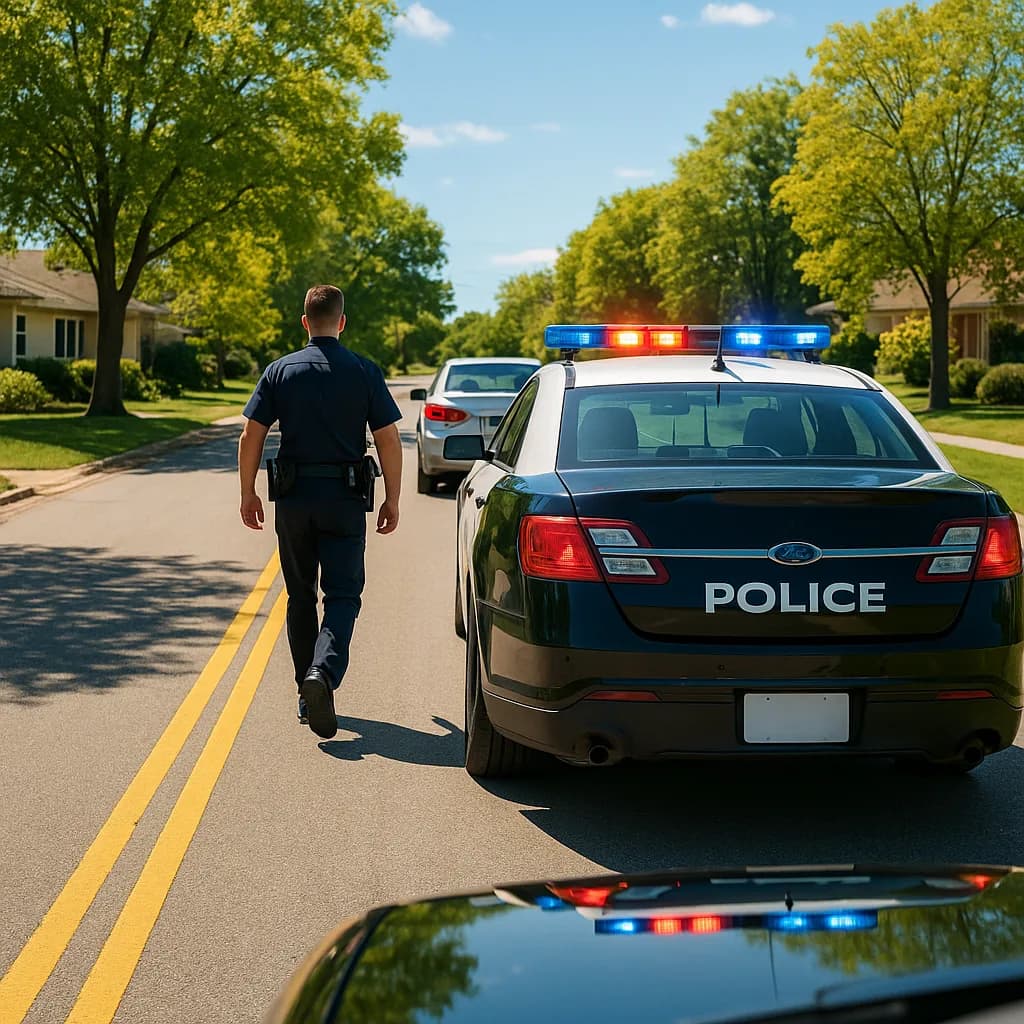
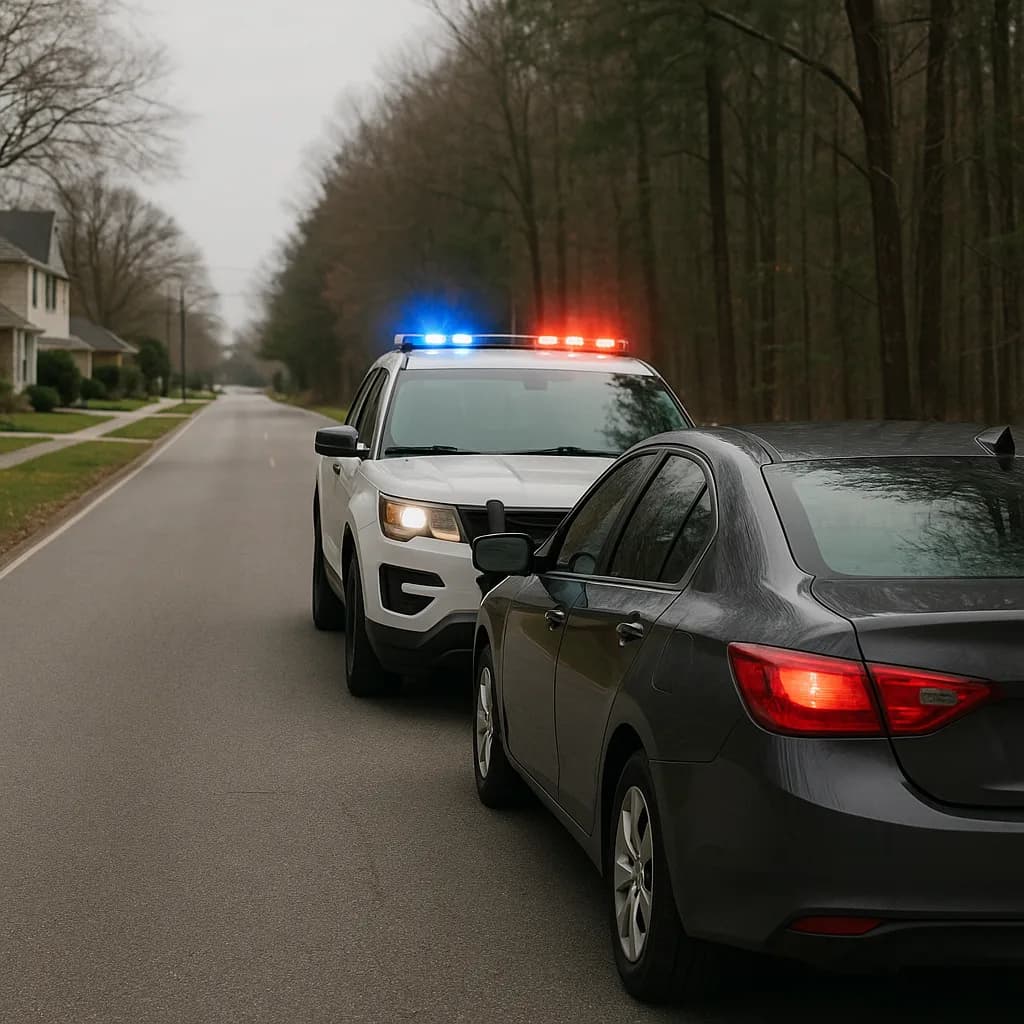
You were pulled over without insurance in Illinois, and this is your second offense. The first time cost you a suspension and reinstatement fees. This time the penalties are steeper: a longer suspension period, a higher reinstatement fee, and a mandatory SR-22 filing requirement that lasts three years after you get your license back.
The Illinois Secretary of State treats repeat uninsured-driving violations as evidence of ongoing noncompliance with financial responsibility law. The second offense triggers statutory penalties that assume you have not learned from the first suspension. The state does not offer leniency for repeat offenders.
Compare car insurance rates in your state
Get quotes from licensed carriers — no obligation, no spam, results in minutes.
Get Your Free QuoteIllinois SR-22 Filing Period
3 years
Illinois requires SR-22 filing for three years following a second uninsured-driving offense. The filing period begins on the date you reinstate your license, not the date of the violation or the start of suspension.
Illinois Secretary of State, 625 ILCS 5/7-315
The Structural Reality of a Second Offense
Illinois law treats a second uninsured-driving offense as a pattern violation. Your license is suspended until you meet reinstatement requirements. The suspension does not lift automatically after a set number of days. You must file proof of insurance, pay the reinstatement fee, and obtain SR-22 certification before the Secretary of State will restore your driving privileges.
Most drivers assume the SR-22 requirement runs concurrently with the suspension. It does not. The three-year SR-22 filing period begins the day your license is reinstated, meaning you carry the filing obligation for three full years after you are legal to drive again. If your SR-22 lapses at any point during those three years, your license is suspended again immediately.
The reinstatement fee for a second offense is higher than the first-offense fee, and the state does not publish a fixed suspension duration for repeat violations. The suspension remains in effect until you satisfy every reinstatement condition. Waiting out the suspension without taking action does not restore your license.
The SR-22 filing period does not start until you reinstate. Every day you delay reinstatement pushes the end of your SR-22 obligation further into the future.
What You Must Do to Reinstate
First, you must purchase an auto insurance policy that meets Illinois minimum liability limits: $25,000 bodily injury per person, $50,000 bodily injury per accident, and $20,000 property damage per accident. Illinois also requires uninsured motorist coverage. The policy must be active before you can file for SR-22 certification. Not every carrier writes policies for drivers with multiple uninsured-driving offenses. Carriers that specialize in high-risk or SR-22 policies include Acceptance Insurance, Bristol West, Dairyland, The General, GAINSCO, Infinity, Kemper, and National General. Call each carrier directly to confirm they will write a policy for a second-offense uninsured driver in Illinois.
Second, your carrier files the SR-22 certificate electronically with the Illinois Secretary of State. The SR-22 is not a separate insurance product. It is a certification that your policy meets state minimums and that the carrier will notify the state if your coverage lapses. Illinois does not charge a state SR-22 filing fee; the carrier may charge a filing fee that varies by company. Once the SR-22 is on file, you can proceed to reinstatement. The Secretary of State will not reinstate your license until the SR-22 appears in their system.
Related Articles





Reinstatement Fee and Timeline
Second-offense uninsured-driving violations may carry additional administrative fees depending on the circumstances of your case, but the state does not publish a separate second-offense fee schedule. Contact the Illinois Secretary of State Driver Services Department to confirm the exact amount you owe before you pay. Payment must be made in full before reinstatement is processed.
Reinstatement is not immediate. After your carrier files the SR-22 and you pay the reinstatement fee, the Secretary of State processes your application. Processing time varies by workload and whether you submit all required documents correctly the first time. Missing documentation or an incomplete SR-22 filing delays reinstatement by weeks. Double-check that your carrier has filed the SR-22 electronically and that the Secretary of State has received it before you pay the reinstatement fee.
Once reinstated, your SR-22 filing obligation runs for three years from the reinstatement date. If your insurance lapses at any point during those three years, your carrier is required to notify the Secretary of State within 10 days, and your license is suspended again immediately. The only way to avoid a third suspension is to maintain continuous coverage for the full three-year period.
Illinois Base Reinstatement Fee
Second-offense uninsured-driving cases may incur additional administrative fees depending on the violation circumstances. Verify the total amount owed with the Secretary of State before payment.
Illinois Secretary of State Driver Services
What Happens If You Drive During Suspension
A second driving-while-suspended offense within the same suspension period is a Class 4 felony, punishable by one to three years in prison. The Secretary of State extends your suspension for every driving-while-suspended conviction, and you must pay a separate reinstatement fee for each extension.
Illinois does offer a Restricted Driving Permit (RDP) for some suspended drivers, but RDP eligibility for uninsured-driving suspensions is limited. The RDP application requires a hearing before the Secretary of State, proof of undue hardship, and proof of insurance with SR-22 filing. If granted, the RDP allows you to drive only between your residence and place of employment, or to transport yourself or a household member to a medical facility. The RDP does not restore full driving privileges, and it does not shorten the SR-22 filing period.
How to Find SR-22 Coverage After a Second Offense
Not every carrier writes policies for drivers with two uninsured-driving offenses. Standard and preferred carriers such as State Farm, Allstate, and USAA typically decline applications from drivers with multiple violations. Non-standard carriers that specialize in high-risk policies are your best option. In Illinois, carriers that write SR-22 policies for repeat offenders include Acceptance Insurance, Bristol West, Dairyland, The General, GAINSCO, Infinity, Kemper, and National General. Each carrier prices risk differently, and the difference between the highest and lowest quote can be substantial.
Call at least three carriers and ask for a quote specifically for a second-offense uninsured driver who needs SR-22 filing. Some carriers require a broker; others offer online quotes. Do not assume the first quote you receive is the best rate available. Carriers that write high-risk policies compete aggressively for business, and shopping multiple quotes is the only way to find the lowest rate for your situation. Once you select a carrier, confirm in writing that they will file the SR-22 electronically with the Illinois Secretary of State and that you will receive a copy of the filing confirmation.