
Optional Car Insurance Coverages Worth It — Illinois
Free to compare
The Multi-Vehicle Coverage Question
You carry two or more vehicles on one Illinois policy, and you meet the state's $25,000/$50,000/$20,000 liability minimum and mandatory uninsured motorist coverage. The question you face now: which optional coverages belong on which vehicles, and does every car need the same level of protection?
Most coverage guides treat optional insurance as a yes-or-no decision for a single vehicle. When you insure multiple cars, the decision splits: collision and comprehensive on the newer car, liability-only on the older one, or full coverage across the household? The structure of your policy determines not just what you pay, but whether you preserve the multi-car discount and how claims affect the entire household.
“The multi-car discount applies to the policy, not to individual vehicles, so coverage choices on one car affect pricing across the entire household.”

See What Illinois Drivers Pay for the Coverage They Need
Get My Illinois Car Insurance Quote$863.96
Illinois Average Annual Auto Expenditure
Illinois drivers spent an average of $863.96 per insured vehicle in 2023, according to NAIC data. That figure includes both mandatory and optional coverages, and varies widely by vehicle count, coverage selections, and household driving history.
NAIC Auto Insurance Database Report 2023
What Illinois Requires vs What Protects Multiple Vehicles
Illinois law requires bodily injury liability of $25,000 per person and $50,000 per accident, property damage liability of $20,000, and uninsured motorist coverage at the same limits. Those coverages protect others and your household when an uninsured driver hits you. They do not repair your own vehicles.
Collision coverage pays to repair your car after an accident regardless of fault. Comprehensive coverage pays for theft, vandalism, weather damage, and animal strikes. Neither is required by Illinois, but both are typically required by lenders if you finance or lease a vehicle. When you own multiple cars outright, you choose whether each vehicle carries these coverages or goes liability-only.
The structural reality: the multi-car discount applies to the policy, not to individual vehicles. Dropping collision and comprehensive on one vehicle while keeping them on another does not forfeit the discount, but it does create a coverage gap that affects how claims are handled across the household. A total-loss claim on the uninsured vehicle leaves you replacing that car out of pocket while still paying premiums on the others.
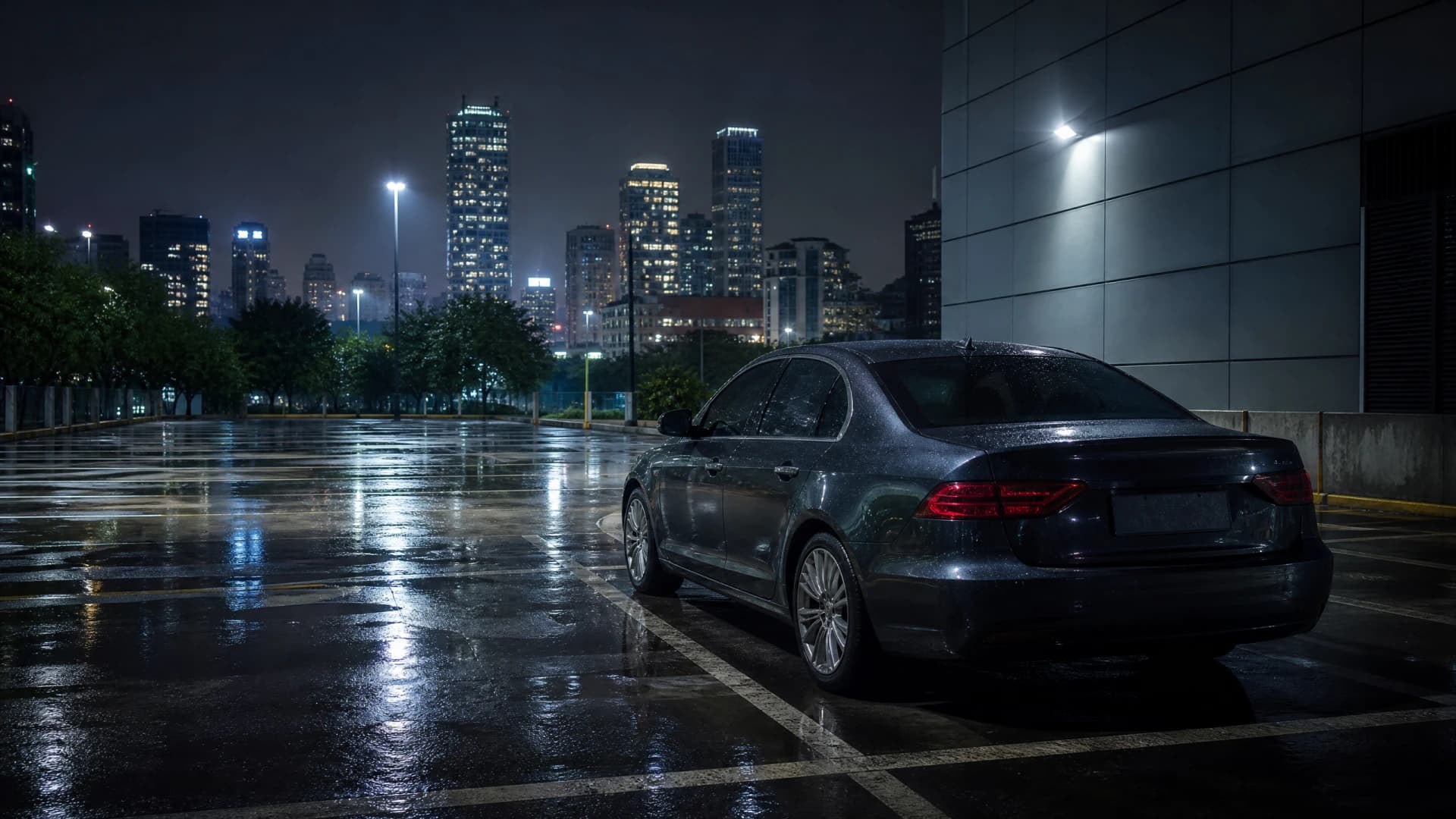
The multi-car discount stays in place when coverage levels differ across vehicles, but a total-loss claim on the liability-only car can destabilize the household's transportation structure without replacing the vehicle.




Other Optional Coverages for Multi-Vehicle Households
Rental reimbursement coverage pays for a rental car while your vehicle is being repaired after a covered claim. When you insure multiple vehicles, this coverage is less critical if the household has a spare car available during repairs. If every vehicle in the household is in daily use, rental reimbursement on at least one vehicle ensures transportation continuity during a claim.
Roadside assistance and towing coverage pays for jump-starts, lockouts, flat tires, and tows to a repair shop. Many households already carry this through an auto club or a credit card benefit. Adding it to the insurance policy duplicates coverage unless the policy version offers higher tow limits or covers all household drivers regardless of which vehicle they are driving.
Gap insurance pays the difference between what you owe on a financed vehicle and what the vehicle is worth if it is totaled. This coverage matters only when you owe more than the car's value, which happens most often in the first two years of a loan or lease. Once the loan balance drops below the vehicle's actual cash value, gap coverage becomes unnecessary. For a household financing multiple vehicles, gap coverage typically belongs only on the newest financed car, not on vehicles you own outright or have nearly paid off.
15.2%
Illinois Uninsured Motorist Rate
Roughly 15.2% of Illinois motorists drove uninsured in 2023. Uninsured motorist coverage is mandatory in Illinois, but underinsured motorist coverage is optional and protects your household when the at-fault driver carries only the state minimum liability limits.
Insurance Research Council, 2023
Underinsured Motorist Coverage: The Optional Layer Above the Mandate
Illinois requires uninsured motorist coverage, which pays when a driver with no insurance hits you. Underinsured motorist coverage is optional and pays when the at-fault driver carries liability limits lower than your damages. Given that Illinois allows drivers to carry just $25,000 per person in bodily injury liability, a serious multi-vehicle accident can exhaust the at-fault driver's policy quickly.
Underinsured motorist coverage applies per person, not per vehicle, so it protects every household member injured in an accident regardless of which car they were driving. For households with multiple vehicles and multiple drivers, this coverage fills the gap between the at-fault driver's low limits and your actual medical costs. It does not add much to the premium, and it applies across the entire household rather than to a single vehicle.
How Coverage Choices Affect the Multi-Car Discount and Claims
The multi-car discount applies to the policy as a whole, not to individual vehicles. Dropping collision and comprehensive on one vehicle while keeping them on the others does not forfeit the discount, but it does mean that a total-loss claim on the liability-only vehicle leaves you without a replacement car unless you pay out of pocket. The household still carries the premium on the remaining vehicles, and the policy remains in force, but the transportation structure changes.
When you file a claim on one vehicle, the entire policy is re-rated at renewal. A collision claim on the newer car affects the premium on every vehicle on the policy, even the one that was not involved in the accident. This is the structural reality of a multi-vehicle policy: coverage and claims are vehicle-specific, but pricing and discount eligibility are policy-wide. Choosing liability-only on an older vehicle reduces the immediate premium, but it does not insulate that vehicle from rate increases triggered by claims on the other cars.
Collision and Comprehensive: Per-Vehicle Decision
Collision coverage makes sense when the vehicle's value exceeds the annual cost of the coverage by a meaningful margin. A $500 or $1,000 deductible structures the coverage so you absorb minor damage and the carrier pays for serious accidents. When a vehicle's value drops below the point where replacing it costs less than two years of collision premiums, many households drop the coverage and self-insure that risk. For a household with three vehicles, this often means full coverage on the two newer cars and liability-only on the oldest.
Comprehensive coverage protects against non-collision risks: theft, hail, flood, fire, vandalism, and animal strikes. Illinois sees significant vehicle theft in urban counties and weather-related claims statewide. A vehicle garaged in Cook County faces higher theft risk than one in a rural county, and comprehensive pricing reflects that. The decision turns on whether you can afford to replace the vehicle if it is stolen or totaled by weather, not just whether the lender requires the coverage.
Get Your Free Quote
Get My Illinois Car Insurance QuoteFrequently Asked Questions
Does dropping collision on one car affect my multi-car discount in Illinois?
No. The multi-car discount applies to the policy as a whole, not to individual vehicles. You can carry full coverage on some vehicles and liability-only on others without losing the discount, as long as every vehicle remains on the same policy.
Should I carry the same coverage on every vehicle in my Illinois household?
Not necessarily. Newer or financed vehicles typically carry collision and comprehensive, while older vehicles you own outright may go liability-only once their value drops below the cost of coverage. The decision depends on each vehicle's replacement cost and how the household uses it.
Is rental reimbursement coverage necessary when I insure multiple cars?
It depends on whether you have a spare vehicle available during repairs. If every car in your household is in daily use, rental reimbursement on at least one vehicle ensures transportation continuity during a claim. If you have a spare car, the coverage is less critical.
What is underinsured motorist coverage and do I need it in Illinois?
Underinsured motorist coverage is optional in Illinois and pays when the at-fault driver carries liability limits lower than your damages. Given that Illinois allows drivers to carry just $25,000 per person in bodily injury liability, this coverage protects your household when a serious accident exhausts the at-fault driver's policy.
Does a claim on one vehicle affect the premium on my other cars in Illinois?
Yes. When you file a claim on one vehicle, the entire policy is re-rated at renewal. A collision claim on one car affects the premium on every vehicle on the policy, even those not involved in the accident, because pricing and discount eligibility are policy-wide.
When should I drop collision and comprehensive coverage on a vehicle?
Drop collision and comprehensive when the vehicle's value falls below the point where replacing it costs less than two years of premiums. For many households, this means keeping full coverage on newer vehicles and switching older cars to liability-only once their value drops significantly.