
Multi-Car Insurance Discounts — Illinois
Free to compare
When Adding a Vehicle Doesn't Trigger the Discount
You added a second or third car to your household and expected the multi-car discount to apply automatically. Instead, your premium increased without the discount appearing on the declaration page. The reason: the discount requires every vehicle to sit on the same policy, and in many cases, to share the same garaging address. A car titled to a household member on a separate policy, or garaged at a different address, does not count toward the same-policy requirement that triggers the discount.
Illinois carriers structure multi-car discounts around policy consolidation, not household vehicle count. If your household owns three cars but two sit on one policy and the third on another, the first policy qualifies for a two-vehicle discount and the second policy receives no discount at all. Understanding how carriers define eligibility determines whether combining policies saves money or whether keeping them separate makes sense for your household structure.
“A vehicle titled to someone not on the policy does not qualify for the multi-car discount, even if they live at the same address.”

See What Illinois Drivers Pay for the Coverage They Need
Get My Illinois Car Insurance Quote15.2%
Illinois Uninsured Motorist Rate
Illinois has 15.2% uninsured motorists on the road, one of the higher rates in the Midwest. Multi-car households often add uninsured motorist coverage across every vehicle, and the multi-car discount reduces the total premium for that stacked coverage.
NAIC 2023 uninsured motorist data
How Illinois Carriers Structure Multi-Car Discounts
The multi-car discount is not a flat percentage applied once. Carriers structure it as a per-vehicle reduction that scales with the number of vehicles on the policy. A two-car policy receives a smaller discount per vehicle than a three-car or four-car policy. The discount applies to each vehicle's premium individually, which means the total household savings increase as you add more vehicles to the same policy.
Illinois carriers writing multi-car policies include State Farm, Allstate, Progressive, GEICO, Farmers, and Country Financial. Each structures the discount differently. Some carriers apply a larger discount to the second vehicle and smaller incremental discounts to the third and fourth. Others apply a consistent per-vehicle discount regardless of vehicle count. The structure matters when you compare total premiums across carriers for your specific household.
The same-policy requirement is absolute. A vehicle titled to a household member who maintains a separate policy does not count toward your multi-car discount, even if both policies are with the same carrier. Combining policies after marriage, a move, or a household change requires re-rating the entire policy, and the new premium reflects the multi-car discount applied to every vehicle on the consolidated policy.
Garaging address affects eligibility in two ways. First, most carriers require every vehicle on the policy to be garaged at the same address. A car garaged at a second home, a college student's apartment, or a work location may not qualify for the same-policy discount. Second, garaging address determines the base rate for each vehicle, and a vehicle garaged in a higher-rate ZIP code increases the total policy premium even with the multi-car discount applied.
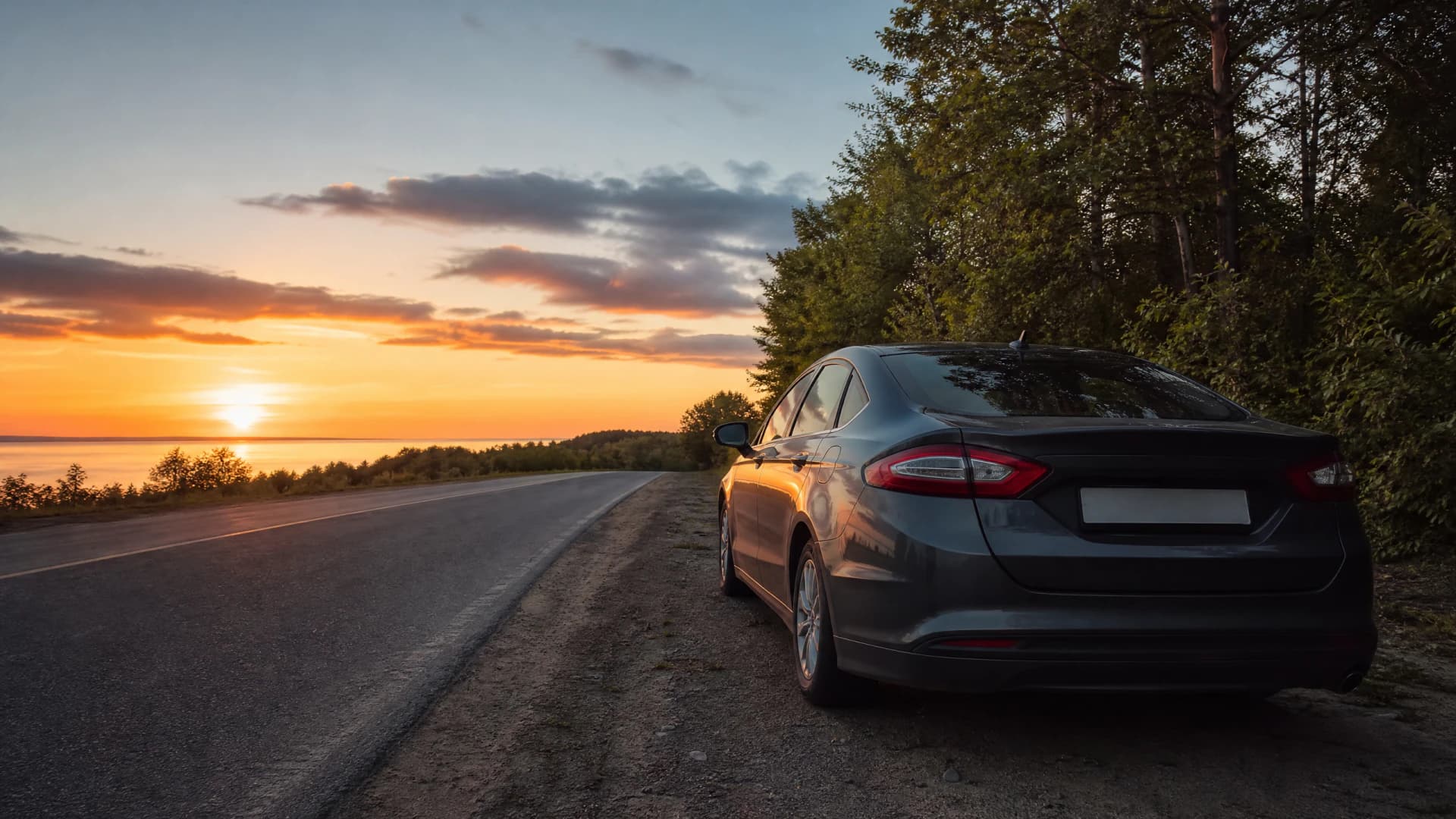
A vehicle titled to someone outside the policy does not count toward the multi-car discount, even if they live in the same household.







How Adding or Removing a Vehicle Changes the Discount
Adding a vehicle mid-term re-rates the entire policy, not just the new car. The carrier recalculates the premium for every vehicle on the policy and applies the multi-car discount to the new vehicle count. If you had two vehicles and add a third, the discount percentage may increase for all three vehicles, lowering the per-vehicle premium even as the total policy premium rises. The net effect depends on the carrier's discount structure and the new vehicle's characteristics.
Removing a vehicle reduces the vehicle count and may reduce the multi-car discount applied to the remaining vehicles. If you drop from three vehicles to two, the discount percentage applied to each of the two remaining vehicles decreases, and the per-vehicle premium increases even though the total policy premium drops. Carriers do not prorate the discount when you remove a vehicle mid-term; the new discount structure applies immediately at the effective date of the removal.
Replacing a vehicle does not change the vehicle count, but it does re-rate the policy. The carrier applies the multi-car discount to the replacement vehicle based on its characteristics: year, make, model, safety features, and theft risk. A newer or higher-value replacement vehicle increases the total policy premium even with the multi-car discount applied. The discount structure remains the same because the vehicle count does not change.
$25,000 / $50,000 / $20,000
Illinois Minimum Liability Limits
Illinois requires $25,000 bodily injury per person, $50,000 per accident, and $20,000 property damage. Multi-car households often carry higher limits to protect household assets, and the multi-car discount applies to the liability premium across every vehicle on the policy.
Illinois statutory minimum liability requirements

When Combining Policies Saves Money
Combining two separate policies into one multi-car policy usually lowers the total household premium, but not always. The savings depend on the discount structure of the carrier writing the combined policy, the driving records of every named insured, and the garaging address for every vehicle. A household with two clean-record drivers and two vehicles garaged at the same address sees the largest savings. A household with one high-risk driver, or vehicles garaged in different ZIP codes, may see smaller savings or no savings at all.
Marriage, a move, or a household member returning home with a car are the most common triggers for combining policies. When you combine policies, the carrier re-rates every vehicle and every driver on the new policy. The multi-car discount applies to the combined vehicle count, but the total premium reflects the highest-risk driver's record and the highest-rate garaging address. If one driver has a recent violation or accident, the combined premium may exceed the sum of the two separate premiums even with the multi-car discount applied.
Compare Carriers by Household Vehicle Count
Carriers structure multi-car discounts differently, and the best carrier for a two-vehicle household is not always the best for a four-vehicle household. State Farm, Allstate, and Country Financial write large multi-car policies in Illinois and apply scaled discounts that increase with vehicle count. Progressive and GEICO structure the discount differently and may offer better total premiums for smaller vehicle counts. Comparing quotes across carriers for your specific household vehicle count and garaging address shows which carrier's discount structure saves the most.
Use the site's comparison tool to request quotes from carriers writing multi-car policies in Illinois. Enter every vehicle on your household, every driver, and the garaging address for each car. The tool returns premiums from carriers that write your vehicle count and shows the multi-car discount applied to each policy. Compare the total premium, not just the discount percentage, because a smaller discount on a lower base rate can beat a larger discount on a higher one.
What Qualifies a Vehicle for the Discount
Every vehicle must be titled to a named insured or household member listed on the policy. A car titled to someone not on the policy does not qualify, even if that person lives at the same address. When a household member buys a car and titles it in their own name, adding the vehicle to the existing policy requires adding that person as a named insured or listed driver. The carrier re-rates the policy to reflect the new driver's record and the additional vehicle, and the multi-car discount applies to the newly-added car only after the policy is updated.
Garaging address must match for every vehicle. A car garaged at a different address than the primary garaging location on the policy may not qualify for the multi-car discount. College students who take a car to school, household members who garage a vehicle at a work location, or second homes with a vehicle garaged there require separate garaging address declarations. Some carriers allow multiple garaging addresses on one policy and still apply the discount; others require separate policies for vehicles garaged at different locations.
Get Your Free Quote
Get My Illinois Car Insurance QuoteFrequently Asked Questions
Does the multi-car discount apply if vehicles are titled to different household members?
The discount applies only if every vehicle is titled to a named insured or listed driver on the same policy. A car titled to someone not on the policy does not count toward the multi-car discount, even if that person lives in the household. Adding the vehicle requires adding the title holder as a named insured or listed driver, and the carrier re-rates the policy to reflect the new driver and vehicle.
Can I get the multi-car discount if one vehicle is garaged at a different address?
Most Illinois carriers require every vehicle on the policy to be garaged at the same address to qualify for the multi-car discount. A car garaged at a college, a second home, or a work location may not qualify. Some carriers allow multiple garaging addresses on one policy and still apply the discount; others require separate policies for vehicles garaged at different locations.
How much does the multi-car discount increase when I add a third or fourth vehicle?
The discount scales with vehicle count, but the structure varies by carrier. Some apply a larger discount to the second vehicle and smaller incremental discounts to the third and fourth. Others apply a consistent per-vehicle discount regardless of count. The total household savings increase as you add vehicles, but the per-vehicle discount percentage depends on the carrier's structure.
Does combining two separate policies after marriage always save money?
Combining policies usually lowers the total household premium, but not always. The savings depend on the carrier's discount structure, the driving records of both spouses, and the garaging address for every vehicle. If one spouse has a recent violation or accident, the combined premium may exceed the sum of the two separate premiums even with the multi-car discount applied.
What happens to the multi-car discount if I remove one vehicle from the policy?
Removing a vehicle reduces the vehicle count and may reduce the multi-car discount applied to the remaining vehicles. If you drop from three vehicles to two, the discount percentage applied to each of the two remaining vehicles decreases, and the per-vehicle premium increases even though the total policy premium drops. The new discount structure applies immediately at the effective date of the removal.