
Minimum Car Insurance Requirements — Illinois
Free to compare
What Illinois Requires When You Insure Multiple Vehicles
You own or lease two or more vehicles in Illinois. You need to register them, insure them, and prove coverage to the Secretary of State. The question you're asking: does Illinois require the same coverage on every car, or can you carry different limits on different vehicles?
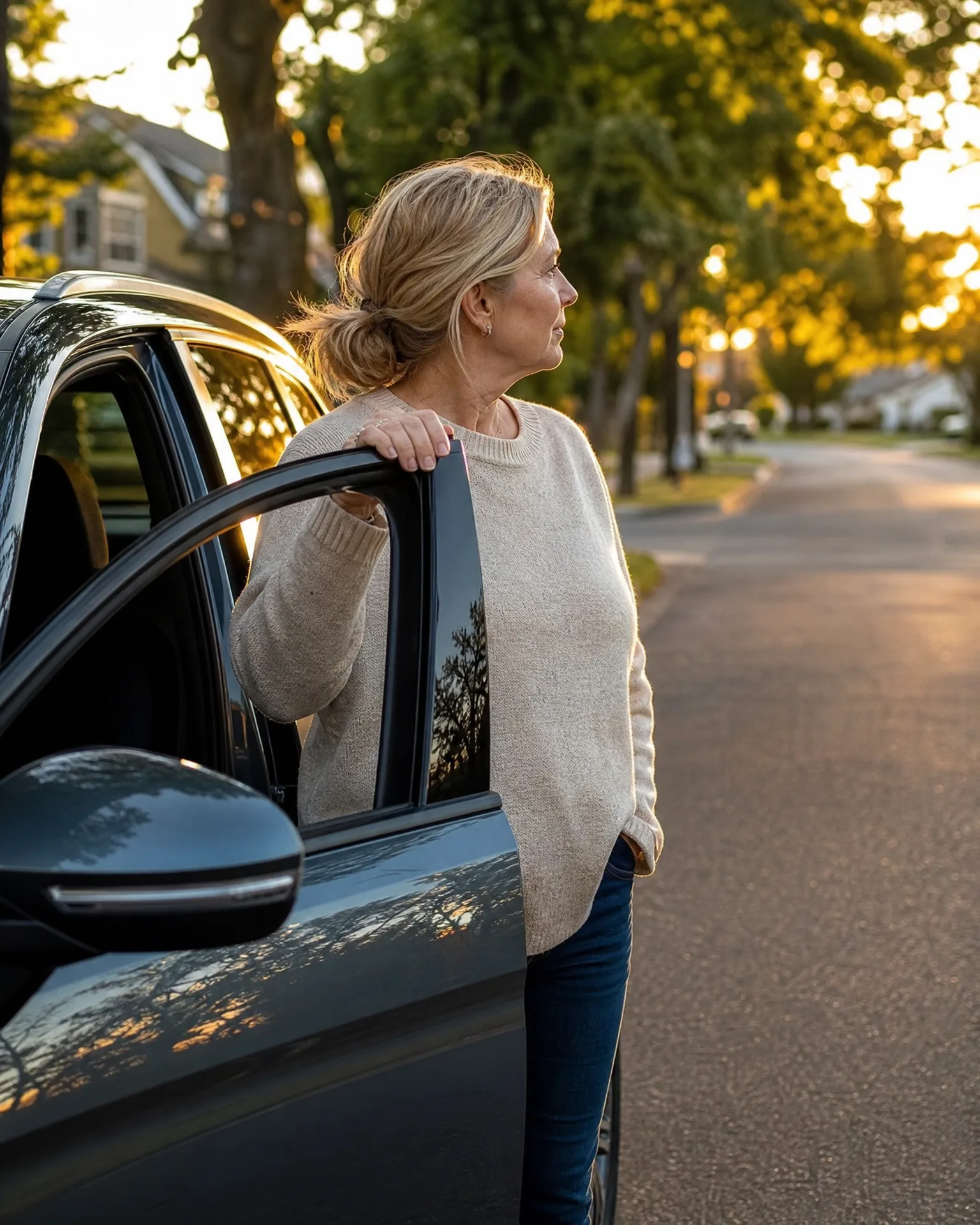
Illinois law requires the same minimum liability limits on every vehicle you register in the state. You cannot carry full coverage on one car and liability-only below the state minimum on another. Every vehicle on your policy must meet or exceed $25,000 bodily injury per person, $50,000 bodily injury per accident, and $20,000 property damage. Uninsured motorist coverage is mandatory on every vehicle unless you reject it in writing.
“Illinois requires the same minimum liability limits on every vehicle you register, and you cannot carry different limits on different cars to save money.”
See What Illinois Drivers Pay for the Coverage They Need
Get My Illinois Car Insurance Quote$25,000 / $50,000 / $20,000
Illinois Minimum Liability Limits
These limits apply per vehicle. When you insure multiple cars on one policy, the carrier structures the limits so that each vehicle carries at least this amount, and the per-accident bodily injury cap applies to any single collision regardless of how many of your vehicles are involved.
Illinois Secretary of State, 625 ILCS 5/7-203
How the Minimum Limits Apply Across Your Policy
Illinois minimum liability is expressed as split limits: $25,000 per person injured in an accident, $50,000 total per accident for all injuries, and $20,000 per accident for property damage. When you insure multiple vehicles on one policy, each vehicle is listed separately on your declarations page with its own coverage line. The per-person and per-accident limits apply to any collision involving your vehicles, not separately to each car.
If two of your insured vehicles are involved in the same accident, the $50,000 per-accident bodily injury cap still applies to that single event. The limit does not double because two of your cars were involved. The property damage limit works the same way: $20,000 per accident, regardless of how many of your vehicles caused the damage.
Carriers writing multi-vehicle policies in Illinois structure the coverage so that each listed vehicle meets the state minimum. You cannot carry $25,000/$50,000/$20,000 on one car and drop another vehicle below that threshold to save money. If a vehicle is registered in Illinois and listed on your policy, it must meet the minimum.
You cannot carry different liability limits on different vehicles in Illinois. Every car on your policy must meet or exceed the state minimum, even if one car is rarely driven.







Proof of Insurance and Registration
Illinois requires you to carry proof of insurance in every vehicle you drive. Proof can be a paper insurance card issued by your carrier or an electronic copy displayed on your phone. When you insure multiple vehicles on one policy, your carrier issues a separate insurance card for each vehicle. Each card lists the vehicle identification number, the policy number, the coverage effective dates, and the liability limits.
You must present proof of insurance when you register a vehicle, renew your registration, or are stopped by law enforcement. If you're driving one of your household's vehicles and cannot produce proof of insurance, you face a citation even if the vehicle is insured. Keep the insurance card for each vehicle in that vehicle, or ensure every driver in your household has access to the electronic proof for every car on the policy.
Illinois does not require you to carry proof of uninsured motorist coverage separately. The insurance card your carrier issues shows your liability limits; UM coverage is assumed present unless you rejected it. If you rejected UM, the rejection form is on file with your carrier, not something you carry in the vehicle.
15.2%
Illinois Uninsured Driver Rate
More than one in seven drivers on Illinois roads carries no insurance. Uninsured motorist coverage protects you when one of those drivers hits your vehicle, and Illinois law requires carriers to offer it on every policy.
Insurance Information Institute, 2023
Full Coverage Versus Minimum Coverage on Multiple Vehicles
Minimum coverage in Illinois means liability and uninsured motorist only. Full coverage adds collision and comprehensive, which pay for damage to your own vehicle regardless of fault. When you insure multiple vehicles, you can carry full coverage on some cars and minimum coverage on others, as long as every vehicle meets the state's liability and UM requirements.
Many households carry full coverage on newer or financed vehicles and minimum coverage on older cars they own outright. The decision turns on the vehicle's value and your ability to replace it out of pocket if it's totaled. A car worth less than a few thousand dollars often costs more to insure for collision and comprehensive than the coverage would pay out after the deductible.
Compare Carriers That Write Multi-Vehicle Policies in Illinois
Illinois has 31 carriers writing auto insurance in the state, and most of them write multi-vehicle policies. Carriers structure multi-car policies differently: some apply a multi-vehicle discount automatically when you add a second car, others require all vehicles to be garaged at the same address, and a few restrict the discount to households with multiple drivers. The liability minimums are the same across every carrier, but the total premium for insuring multiple vehicles varies widely based on the carrier's base rate, discount structure, and how they rate each vehicle on your policy.
Compare Illinois car insurance carriers that write multi-vehicle policies. Enter your household's vehicles, drivers, and coverage preferences to see quotes from carriers licensed in Illinois. The comparison tool shows how each carrier structures the multi-vehicle discount and what your total premium looks like when you meet the state's minimum requirements across every car.
Uninsured Motorist Coverage Requirement
Uninsured motorist (UM) coverage pays for your injuries when you're hit by a driver who carries no insurance or whose liability limits are too low to cover your damages. Illinois requires carriers to offer UM coverage at the same limits as your liability coverage, and the coverage is mandatory unless you sign a written rejection form. When you insure multiple vehicles, the UM requirement applies to each car.
The rejection is policy-level, not per-vehicle. If you reject UM coverage, the rejection applies to every vehicle on the policy. You cannot accept UM on one car and reject it on another. Most households insuring multiple vehicles accept the coverage because 15.2% of Illinois drivers are uninsured, and the UM premium is typically lower than the liability premium for the same limits.
Get Your Free Quote
Get My Illinois Car Insurance QuoteFrequently Asked Questions
Can I carry liability-only insurance on one car and full coverage on another in Illinois?
Yes, as long as every vehicle meets Illinois minimum liability limits of $25,000/$50,000/$20,000 and carries mandatory uninsured motorist coverage. You can add collision and comprehensive to some vehicles and not others. Many households carry full coverage on financed or newer cars and minimum coverage on older vehicles they own outright.
Does Illinois require the same insurance on every car I own?
Illinois requires the same minimum liability and uninsured motorist coverage on every registered vehicle. You must carry at least $25,000/$50,000/$20,000 liability and UM coverage on each car. You cannot drop one vehicle below the state minimum to save money, even if that car is rarely driven.
Do I need separate insurance cards for each vehicle on my policy?
Yes. Illinois carriers issue a separate insurance card for each vehicle on your policy. Each card lists the vehicle identification number, policy number, effective dates, and liability limits. You must carry proof of insurance in every vehicle you drive, either as a paper card or electronic copy on your phone.
Can I reject uninsured motorist coverage on some cars but not others?
No. Uninsured motorist coverage rejection is policy-level in Illinois, not per-vehicle. If you reject UM coverage, the rejection applies to every vehicle on your policy. You cannot accept UM on one car and reject it on another. Most multi-vehicle households accept the coverage because 15.2% of Illinois drivers are uninsured.
What happens if one of my vehicles does not meet Illinois minimum coverage?
Your registration can be suspended, and you face fines if you're caught driving an uninsured or underinsured vehicle. Illinois requires proof of insurance at registration and renewal.