
Liability-Only vs Full Coverage — Illinois
Free to compare
The Multi-Vehicle Coverage Decision
You own two or more cars. One is newer, financed, driven daily. Another is older, paid off, used occasionally. Your carrier quotes you for full coverage on both, and the premium feels high. You wonder whether every vehicle on your policy needs the same level of coverage.
They do not. Illinois law sets minimum liability requirements that apply to every registered vehicle—$25,000 bodily injury per person, $50,000 per accident, $20,000 property damage, plus mandatory uninsured motorist coverage. Beyond that floor, collision and comprehensive coverage are optional. The decision to add them is made per vehicle, not per policy. A household with three cars can carry full coverage on two and liability-only on the third, all on the same policy.
“A household with three cars can carry full coverage on two and liability-only on the third, all on the same policy.”

See What Illinois Drivers Pay for the Coverage They Need
Get My Illinois Car Insurance Quote$25,000 / $50,000 / $20,000
Illinois Minimum Liability Limits
Every registered vehicle in Illinois must carry at least $25,000 bodily injury per person, $50,000 per accident, and $20,000 property damage. Uninsured motorist coverage is also mandatory. These minimums apply whether you insure one car or five.
Illinois Secretary of State, 625 ILCS 5/7-203
What Liability-Only Actually Covers
Liability-only means you carry the state-required minimums and nothing more. Your policy pays for damage you cause to another person or their property, up to your policy limits. It does not pay to repair or replace your own vehicle after a collision, theft, vandalism, weather damage, or animal strike.
If you hit another car, your liability coverage pays for their repairs and medical bills. If someone hits you and they carry insurance, their liability pays for your car. If they do not carry insurance—15.2% of Illinois drivers are uninsured—your mandatory uninsured motorist coverage steps in, but only up to your uninsured motorist limits, which many households set at the state minimum.
When your own car is damaged and the other driver is uninsured or flees the scene, liability-only leaves you paying out of pocket. For an older vehicle worth less than a few thousand dollars, that risk may be acceptable. For a newer financed vehicle, it is not.
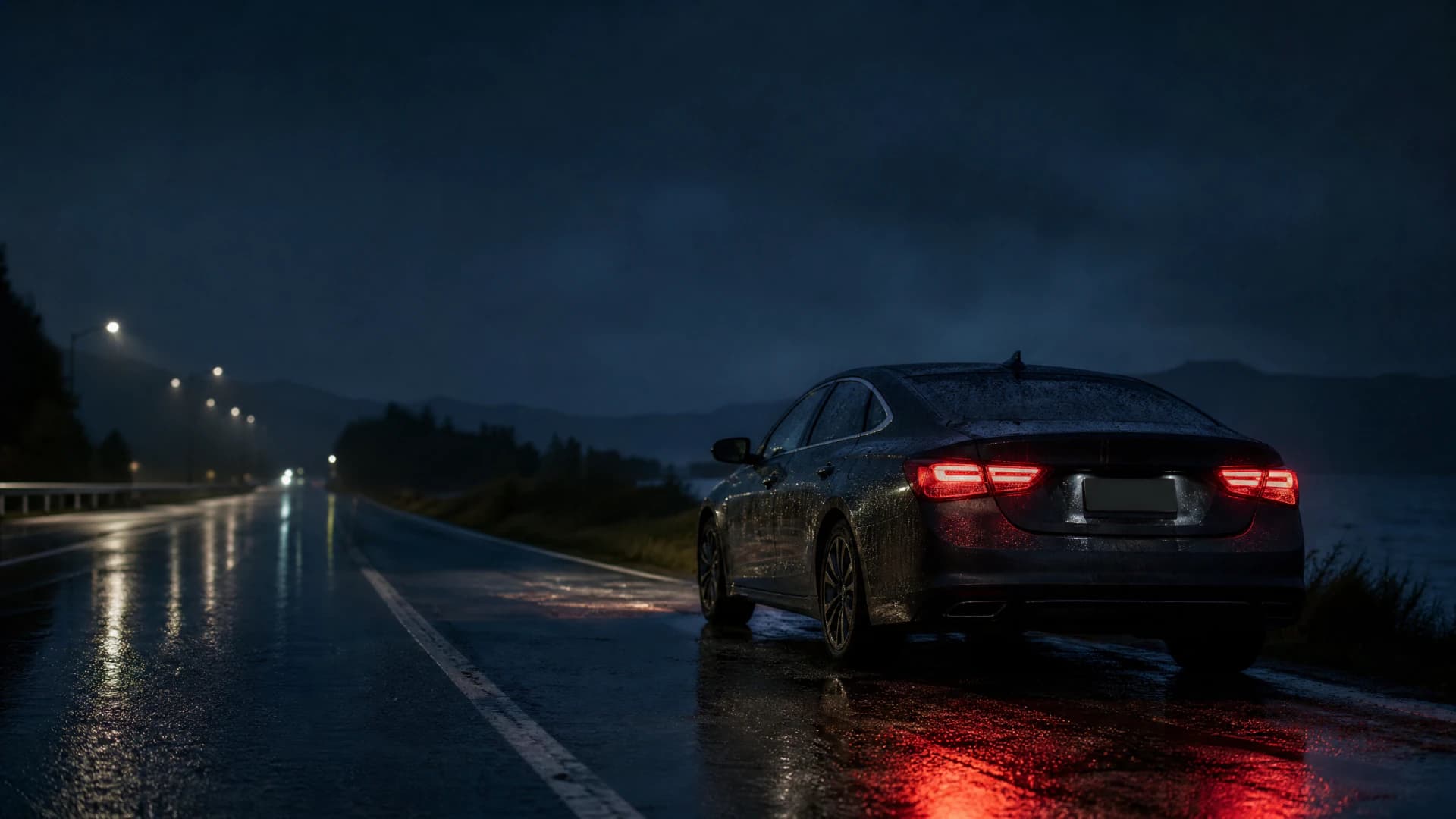
Liability-only does not repair your own vehicle. If the car is worth more than you can afford to replace, liability-only is the wrong choice.
Related Articles





Structuring Coverage Across Multiple Vehicles
A household with three vehicles does not need identical coverage on all three. The decision is made per car, based on value, loan status, and how the vehicle is used. A 2022 sedan driven daily by a commuter justifies full coverage.
Carriers allow mixed coverage levels on the same policy. You can carry full coverage on two vehicles and liability-only on a third without splitting the policy or losing the multi-car discount. The multi-car discount applies to the policy as a whole, not to individual vehicles, so dropping collision and comprehensive on one car does not forfeit the discount on the others.
The failure mode: households assume every car must carry the same coverage, so they either overpay for full coverage on low-value vehicles or underinsure high-value ones to keep the total premium manageable. Both are structural mistakes. Coverage should match vehicle value and use, not be averaged across the household.
15.2%
Illinois Uninsured Motorist Rate
More than one in seven Illinois drivers carries no insurance. When an uninsured driver causes a crash, your uninsured motorist coverage pays for your injuries and, if you purchased uninsured motorist property damage, your vehicle repairs. Without collision coverage, you rely entirely on this coverage to repair your own car.
Insurance Research Council, 2023
When Liability-Only Makes Sense
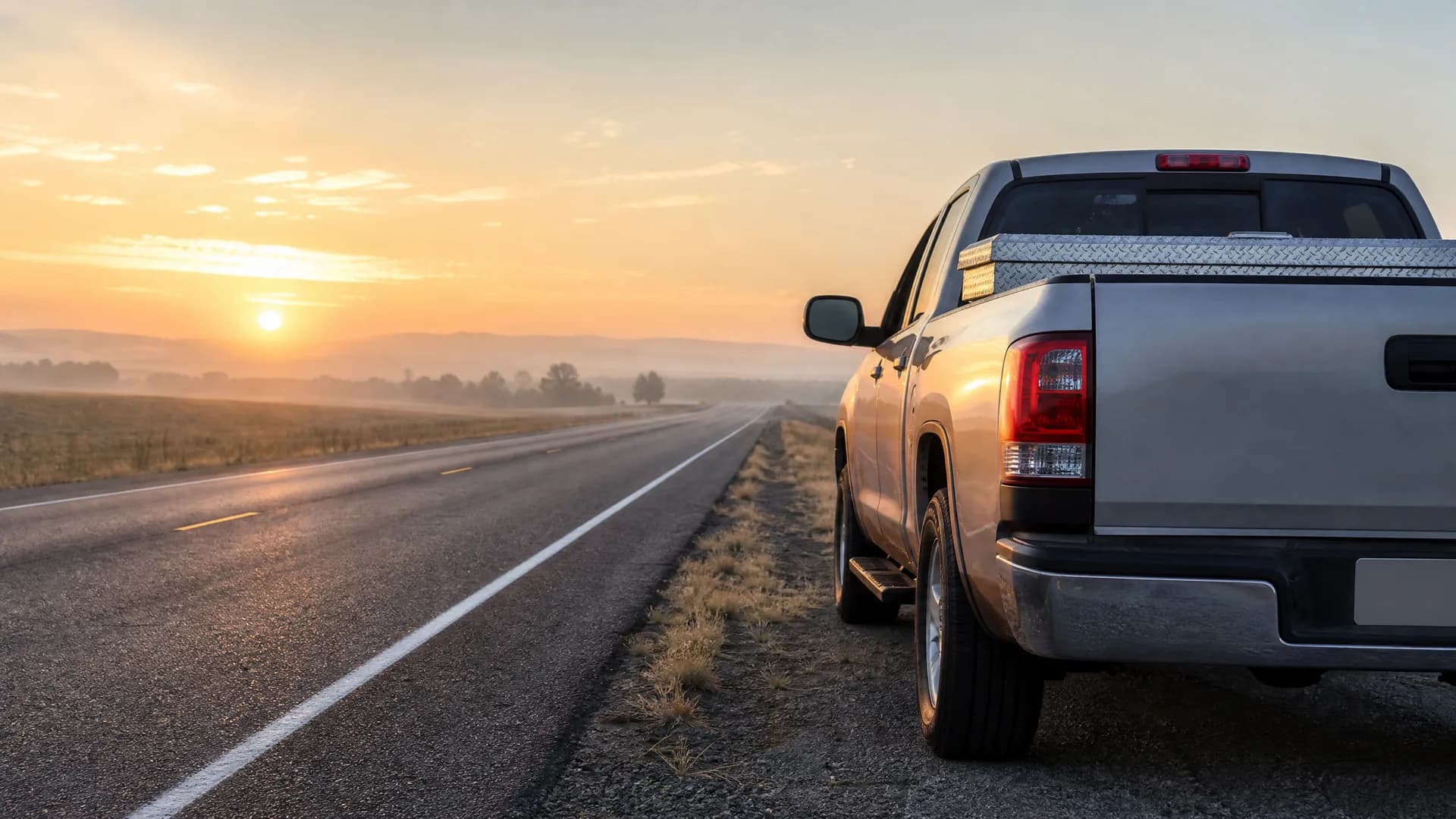
Liability-only is the correct choice when the vehicle's value is low enough that you can afford to replace it without insurance, and when the vehicle is not financed or leased. A conventional threshold: if the car is worth less than ten times your collision deductible, collision coverage costs more over time than it is likely to pay back.
Older vehicles driven infrequently—a third car used for errands, a project vehicle, a backup—are strong candidates for liability-only. The risk of total loss is lower because exposure is lower, and the financial consequence of replacing the car is manageable because the value is low. Comprehensive coverage may still be worth keeping if theft or weather risk is high in your area, even when collision is dropped.
Compare Per Vehicle, Then Structure the Policy
Request quotes with full coverage on all vehicles, then request a second quote with liability-only on the lowest-value car. The difference shows what collision and comprehensive cost for that specific vehicle. If the annual premium for those coverages exceeds 10-15% of the car's value, dropping them makes sense unless you cannot afford to replace the car out of pocket.
Illinois law does not require you to carry the same coverage on every vehicle. Carriers writing multi-car policies in Illinois—including State Farm, Geico, Progressive, Allstate, and others—allow per-vehicle coverage customization. The multi-car discount remains in place as long as all vehicles sit on the same policy, regardless of coverage differences. Structure the policy to match the household's actual risk, not to satisfy a non-existent uniformity rule.
What Full Coverage Adds
Collision coverage pays to repair or replace your vehicle after a crash, regardless of fault, minus your deductible. You choose a deductible—typically $500 or $1,000—and the carrier pays the rest, up to the car's actual cash value. Comprehensive coverage pays for non-collision damage: theft, vandalism, hail, flood, fire, hitting a deer. It also carries a deductible, often lower than collision.
Together, collision and comprehensive protect the value of the vehicle itself. Lenders require both on financed and leased vehicles. Once the loan is paid off, the requirement disappears, and you decide whether the coverage still makes sense based on the car's current value and your ability to replace it without insurance.
Get Your Free Quote
Get My Illinois Car Insurance QuoteFrequently Asked Questions
Can I have full coverage on one car and liability-only on another on the same policy?
Yes. Illinois carriers allow different coverage levels on different vehicles within the same multi-car policy. The multi-car discount applies to the policy as a whole, so dropping collision and comprehensive on one vehicle does not affect the discount on others.
What does Illinois require me to carry on every vehicle?
Illinois requires $25,000 bodily injury per person, $50,000 per accident, $20,000 property damage, and uninsured motorist coverage on every registered vehicle. Collision and comprehensive are optional unless required by a lender.
Does liability-only cover my car if someone else hits me?
No. Liability-only covers damage you cause to others. If another driver hits you and they carry insurance, their liability pays for your car. If they are uninsured, your uninsured motorist coverage may pay, but only up to your uninsured motorist limits. Without collision coverage, you have no coverage for your own vehicle damage when the other driver is uninsured or flees.
When should I drop full coverage on a vehicle?
Drop full coverage when the vehicle's value is low enough that you can afford to replace it without insurance, and when the annual cost of collision and comprehensive exceeds 10-15% of the car's current value. Financed and leased vehicles must carry full coverage until the loan or lease ends.
Will I lose my multi-car discount if I drop coverage on one vehicle?
No. The multi-car discount applies to the policy, not to individual vehicles. You can carry liability-only on one car and full coverage on others without losing the discount, as long as all vehicles remain on the same policy.
What is the difference between collision and comprehensive coverage?
Collision pays for damage from crashes with other vehicles or objects, regardless of fault. Comprehensive pays for non-collision damage: theft, vandalism, weather, fire, and animal strikes. Both carry separate deductibles and are optional unless a lender requires them.