
What Happens When Registration Suspends for Insurance Lapse
You received a notice from the Illinois Secretary of State: your vehicle registration is suspended because your insurance lapsed. The state detected the gap through its electronic verification system, which cross-checks insurance filings against registered vehicles. Your plates are no longer valid, and driving the vehicle now compounds the violation.
Illinois treats registration suspension and license suspension as separate actions. A registration suspension affects your plates and your vehicle's legal status. A license suspension affects your driving privilege. An insurance lapse can trigger both, and you must resolve both independently. The Secretary of State will not restore your registration until you prove continuous coverage, file the required certificate, and pay the reinstatement fee.
Compare car insurance rates in your state
Get quotes from licensed carriers — no obligation, no spam, results in minutes.
Get Your Free QuoteIllinois Reinstatement Fee
This fee is separate from any license reinstatement fee if your driving privilege was also suspended.
Illinois Secretary of State
Why Illinois Requires SR-22 Filing After a Lapse
Illinois law requires SR-22 filing for 3 years after driving uninsured. The SR-22 is not insurance; it is a certificate your carrier files electronically with the Secretary of State confirming you carry at least the state minimum liability limits: $25,000 per person for bodily injury, $50,000 per accident, and $20,000 for property damage. The filing creates a continuous monitoring link between your carrier and the state.
If your insurance lapses again during the 3-year SR-22 period, your carrier notifies the state immediately, and your registration suspends again. The SR-22 requirement resets, and you start the 3-year clock over. The state does not allow gaps. You must maintain uninterrupted coverage and keep the SR-22 active for the full period to clear the requirement.
Not every carrier writes SR-22 policies. Some preferred-tier carriers decline drivers with recent lapses. The injected carrier roster shows 16 carriers writing SR-22 in Illinois, including Acceptance Insurance, Allstate, American Family, Bristol West, Dairyland, Elephant, Farmers, GAINSCO, Geico, Infinity, Kemper, Mercury General, National General, Progressive, Root, The General, and USAA. Compare quotes from multiple carriers; SR-22 filing itself carries no state fee, but carriers charge their own filing fee and adjust premiums based on the lapse.
You must resolve both actions separately with the Secretary of State.
Steps to Reinstate Registration After Insurance Lapse

First, purchase an auto insurance policy that meets Illinois minimum liability limits from a carrier that writes SR-22. Provide the carrier with your driver's license number and the suspension notice details. The carrier files the SR-22 electronically with the Illinois Secretary of State, typically within 1 to 3 business days. You receive a copy of the SR-22 certificate; keep it with your vehicle documents.
You can pay online through the Secretary of State's website, by mail, or in person at a Driver Services facility. The state processes the payment and clears the registration suspension once it confirms the SR-22 filing is active. Processing time varies by method; online and in-person payments clear faster than mail. Once cleared, your registration is valid again, and you can legally drive the vehicle.
Related Articles





License Suspension and Restricted Driving Permits
If the insurance lapse also triggered a license suspension, you must apply separately to reinstate your driving privilege. Illinois offers two restricted driving permits during suspension: the Restricted Driving Permit (RDP) and the Monitoring Device Driving Permit (MDDP). The RDP requires a hearing before the Secretary of State and proof of undue hardship. The MDDP is available for first-offense DUI suspensions without a hearing and requires installation of a Breath Alcohol Ignition Interlock Device (BAIID).
An RDP restricts your driving to routes between your residence and place of employment, employment-related duties, or transport of yourself or a household family member to a medical facility. The MDDP allows broader driving but requires the interlock device for the full suspension period. Both permits require active SR-22 filing and proof of insurance. If you need a restricted permit, apply through the Secretary of State's Administrative Hearings section after securing SR-22 coverage.
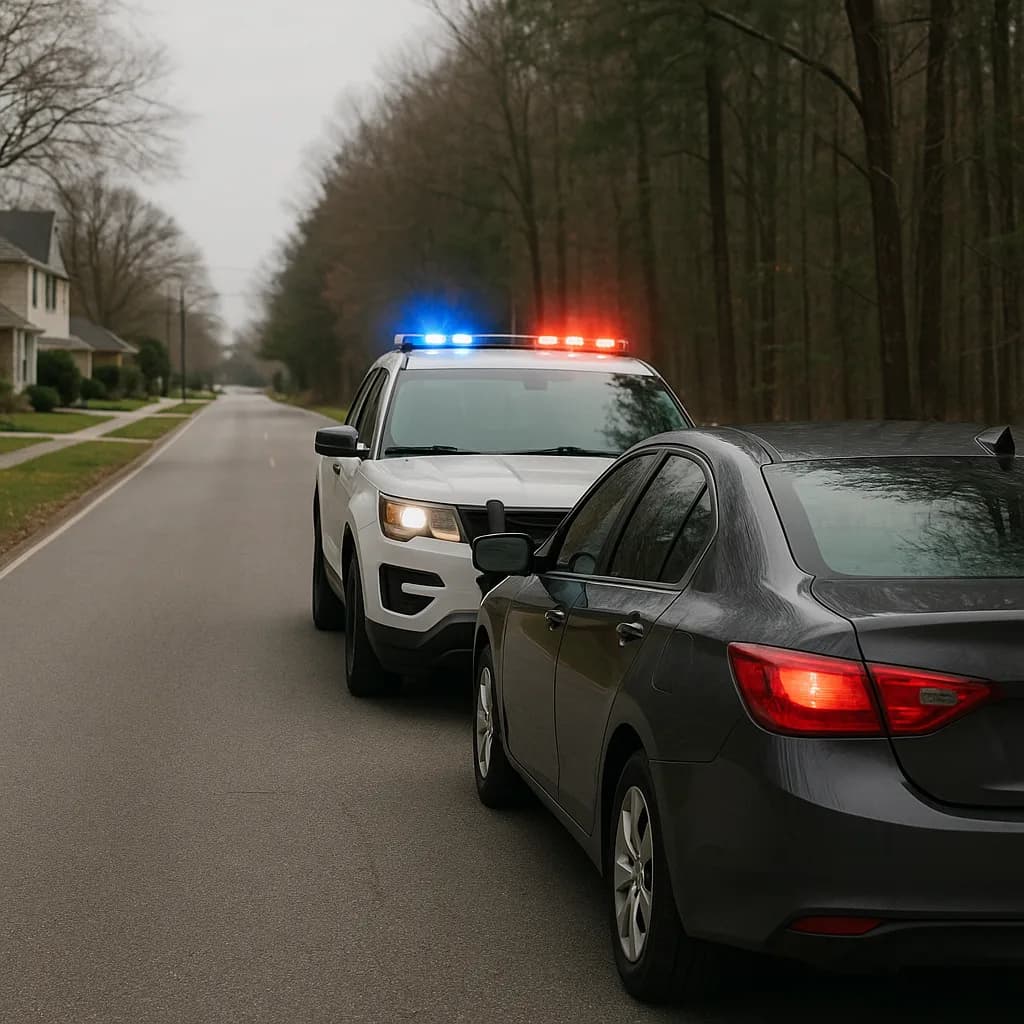
Driving on a suspended license without a valid permit is a separate criminal offense in Illinois. The penalty includes fines, potential jail time, and extension of the suspension period. Do not drive until your registration and license are both legally restored or you hold a valid restricted permit.
Illinois SR-22 Filing Period
3 years
Illinois requires SR-22 filing for 3 years after driving uninsured. The period begins when the SR-22 is filed, not when the lapse occurred. Any lapse during the 3-year period resets the clock.
Illinois Secretary of State, 625 ILCS 5/7-315
How Insurance Lapses Affect Future Coverage
A lapse on your record signals higher risk to carriers. Some preferred-tier carriers decline applicants with recent lapses; others surcharge the premium. Non-standard carriers that specialize in high-risk drivers typically accept lapse histories but charge higher base rates. The SR-22 filing requirement itself does not increase your premium, but the lapse that triggered it does.
Maintaining continuous coverage for the full 3-year SR-22 period demonstrates responsibility and improves your risk profile. After the SR-22 requirement clears, you can shop for standard-tier coverage again. Some carriers offer forgiveness programs that reduce surcharges after one or two years of clean driving and continuous coverage. Compare quotes annually; rates vary widely across carriers, and your options improve as the lapse ages off your record.
What to Do Right Now
Contact an SR-22 carrier today and purchase a policy that meets Illinois minimum liability limits. Provide the carrier with your suspension notice and driver's license number so they can file the SR-22 electronically with the Secretary of State. If your license was also suspended, apply for reinstatement or a restricted driving permit through the Secretary of State's Administrative Hearings section. Do not drive until both your registration and your license are legally restored.