
Car Registration After Moving — Illinois
Free to compare
The Registration Window Starts When You Establish Residency
You moved to Illinois with one car already insured, registered it within the 30-day window, and now you have bought a second vehicle. The registration clock for that new car starts the day you take possession, not the day you moved to the state. Illinois law requires registration within 30 days of establishing residency for your first vehicle, but subsequent vehicles follow standard titling timelines: you must register before driving on public roads.
The confusion arises because insurance must precede registration. The Illinois Secretary of State will not issue plates without proof of Illinois insurance that meets state minimum liability limits: $25,000 per person for bodily injury, $50,000 per accident, and $20,000 for property damage. Your out-of-state policy does not satisfy this requirement even if it covers the new car under a grace period, because the state verifies Illinois-specific coverage at the counter. You cannot register first and add insurance later.
“Illinois registration requires proof of insurance at application, which means your new car must appear on an active policy before you visit the Secretary of State.”

See What Illinois Drivers Pay for the Coverage They Need
Get My Illinois Car Insurance Quote30 days
Illinois Registration Window
New residents must register their first vehicle within 30 days of establishing Illinois residency. Subsequent vehicles purchased after the move must be registered before use on public roads, with insurance preceding registration.
Illinois Secretary of State
Insurance Must Precede Registration, Not Follow It
The structural reality: Illinois registration requires proof of insurance at the time of application, which means your new car must appear on an active Illinois auto policy before you visit the Secretary of State facility. If you attempt to register with an out-of-state policy or a policy that does not yet list the new vehicle, the application will be rejected.
Most carriers provide a grace period during which a newly acquired vehicle is automatically covered under your existing policy, typically 14 to 30 days. That grace period allows you to drive the car home from the dealer, but it does not satisfy the Secretary of State's proof-of-insurance requirement because the vehicle identification number has not been formally added to the policy declarations page. You need the updated declarations page showing the new car before registration.
The multi-car discount applies when multiple vehicles sit on the same policy. Adding your second car to your existing Illinois policy preserves that discount, but the timing matters: if you wait until after the grace period expires to notify your carrier, coverage may lapse for the new vehicle, and you will need to start a new policy rather than amending the existing one. That breaks the same-policy requirement and eliminates the multi-car discount on both cars.
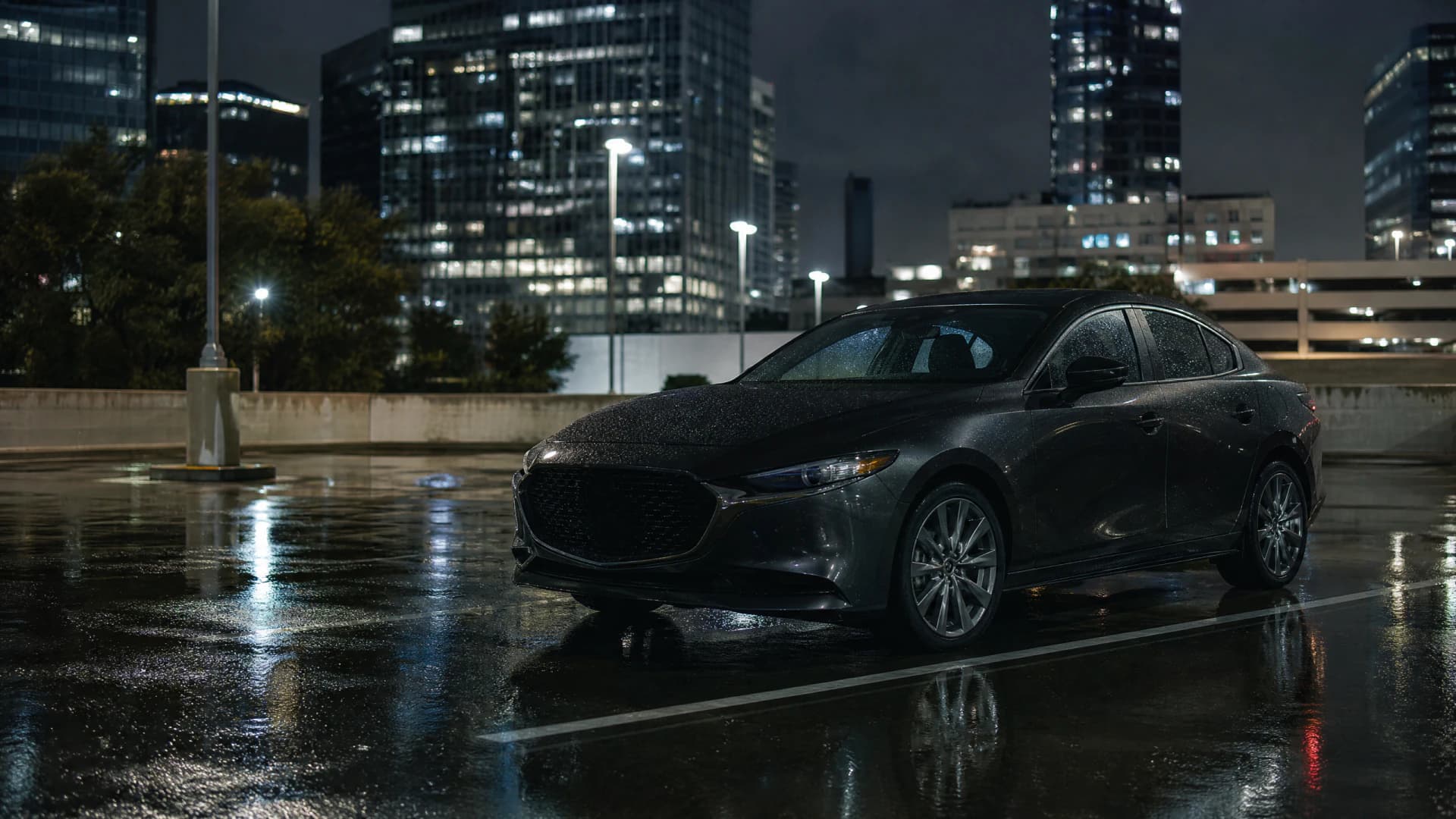
The Secretary of State will not register a vehicle without an Illinois insurance declarations page listing that specific VIN. Your carrier's grace period does not produce that document.
Related Articles





How Adding a Vehicle Mid-Term Affects Your Premium
Adding a second vehicle to your policy mid-term does not simply append a flat amount to your existing premium. The carrier re-rates the entire policy, recalculating the multi-car discount across both vehicles and adjusting for the new car's make, model, year, garaging location, and how it changes your household's overall risk profile. In most cases the combined premium for two cars on one policy is lower than the sum of two separate single-car policies, but the increase from adding the second car is not predictable without a quote.
The multi-car discount typically reduces the per-vehicle premium by a percentage when two or more cars sit on the same policy and share a garaging address. Illinois carriers apply this discount automatically when you add the second vehicle, but the size of the discount varies by carrier. Some apply a larger discount to the second vehicle, others spread the discount evenly across both. The re-rated premium reflects the discount, the new vehicle's characteristics, and any change in your coverage selections.
If you purchased higher coverage limits for the new car than you carry on the first, the carrier will often prompt you to equalize limits across both vehicles. Mismatched limits on a multi-car policy can create claim complications, because the policy's liability umbrella applies per occurrence, not per vehicle. Most households choose identical liability limits for all cars on the policy to avoid confusion at claim time.
8,509,418
Illinois Licensed Drivers
Illinois had 8,509,418 licensed drivers as of 2022, with 10,334,435 registered vehicles. The state's high vehicle-to-driver ratio reflects the prevalence of multi-car households, making the multi-car discount a significant cost factor for most Illinois families.
NAIC Auto Insurance Database Report 2023

What Happens If You Miss the Sequence
If you attempt to register the new car before adding it to your Illinois policy, the Secretary of State will reject the application and you will need to return with proof of insurance. That delays registration and extends the period during which you cannot legally drive the car on public roads. If you drive the unregistered car during that gap, you risk a citation for operating an unregistered vehicle, which carries fines and potential impoundment.
If you miss your carrier's grace period before adding the new car, automatic coverage lapses and you will need to purchase a new policy for the second vehicle. That breaks the same-policy requirement for the multi-car discount, and you lose the discount on both cars. Combining two separate policies later is possible but requires canceling one and moving both vehicles to a single policy, which may trigger short-rate cancellation fees and a gap in continuous coverage that some carriers penalize at renewal.
Compare Carriers Before Adding the Second Car
Adding a second vehicle to your existing policy is the default path, but it is not always the best one. Some carriers offer larger multi-car discounts than others, and the carrier that gave you the best rate for one car may not be competitive for two. Before you add the new vehicle to your current policy, request quotes from at least three carriers that write multi-car policies in Illinois.
When comparing quotes, confirm that each carrier applies the multi-car discount to both vehicles and that the combined premium includes Illinois-mandated uninsured motorist coverage. Some carriers exclude certain vehicle types from the multi-car discount, particularly high-value or modified cars, so verify that both your existing car and the new one qualify. The quote should show the per-vehicle breakdown and the total policy premium so you can compare the effective discount across carriers.
The Three-Step Sequence That Preserves Your Discount
Step one: contact your carrier within the grace period and request that the new vehicle be added to your existing Illinois policy. Provide the VIN, make, model, year, and the date you took possession. The carrier will re-rate your policy to include the second car and issue an updated declarations page showing both vehicles. This step must happen before the grace period expires, typically 14 to 30 days depending on the carrier. If you miss that window, the new car loses automatic coverage and you will need to purchase a separate policy, which eliminates the multi-car discount.
Step two: obtain the updated declarations page from your carrier. This document lists both vehicles under one policy number and confirms that coverage meets Illinois minimum liability limits of $25,000 per person, $50,000 per accident, and $20,000 for property damage. The Secretary of State verifies these figures at registration, and uninsured motorist coverage is mandatory in Illinois, so the declarations page must show that as well. Most carriers provide the updated page electronically within 24 hours of adding the vehicle, but some require 48 to 72 hours for processing.
Get Your Free Quote
Get My Illinois Car Insurance QuoteFrequently Asked Questions
How long do I have to register a car after moving to Illinois?
Illinois requires new residents to register their first vehicle within 30 days of establishing residency. Subsequent vehicles purchased after the move must be registered before driving on public roads. Insurance must precede registration, so add the new car to your Illinois policy before visiting the Secretary of State facility.
Can I register my car in Illinois with an out-of-state insurance policy?
No. The Illinois Secretary of State requires proof of Illinois insurance that meets state minimum liability limits at the time of registration: $25,000 per person for bodily injury, $50,000 per accident, and $20,000 for property damage. An out-of-state policy does not satisfy this requirement even if it covers the vehicle.
Does adding a second car to my policy automatically give me the multi-car discount?
Yes, if both vehicles sit on the same policy and share a garaging address. Illinois carriers apply the multi-car discount automatically when you add a second vehicle, but the size of the discount varies by carrier. The carrier re-rates the entire policy when you add the new car, recalculating the discount across both vehicles.
What happens if I miss my carrier's grace period for adding the new car?
Automatic coverage lapses and you will need to purchase a separate policy for the second vehicle. That breaks the same-policy requirement for the multi-car discount, and you lose the discount on both cars. Combining two separate policies later requires canceling one and may trigger short-rate fees.
Do I need to equalize coverage limits across both cars on a multi-car policy?
It is not required, but most carriers recommend it. Mismatched limits on a multi-car policy can create claim complications because the policy's liability umbrella applies per occurrence, not per vehicle. Identical liability limits across all cars avoid confusion at claim time.