
Driving Without Insurance Fine — Illinois
Free to compare
What Happens When You're Caught Driving Without Insurance in Illinois
You were pulled over and couldn't show proof of insurance, or your policy lapsed and you kept driving. Illinois law treats driving without insurance as a serious violation that triggers immediate license suspension under the state's statutory summary suspension authority. The Secretary of State suspends your driving privileges, and reinstatement requires more than just buying a policy.
The financial penalty is only part of the consequence. Illinois requires you to file an SR-22 certificate for three years after reinstatement, and most drivers don't learn about this requirement until they try to get their license back. Missing the SR-22 step extends your suspension indefinitely, even if you've paid every fine and bought coverage.
“Your license stays suspended until the Secretary of State receives your SR-22 certificate, even if you've paid every fine and bought coverage.”

See What Illinois Drivers Pay for the Coverage They Need
Get My Illinois Car Insurance Quote$25,000 / $50,000 / $20,000
Illinois Minimum Liability Coverage
Illinois requires $25,000 bodily injury per person, $50,000 bodily injury per accident, and $20,000 property damage. Driving without at least these minimums triggers the uninsured-driver penalties and SR-22 filing requirement.
Illinois Department of Insurance
The Penalty Structure: Fines, Suspension, and SR-22 Filing
Illinois does not publish a fixed fine amount for driving without insurance. The penalty varies by jurisdiction and whether this is your first offense or a repeat violation. What is consistent across the state: your license is suspended, and reinstatement requires proof of insurance plus an SR-22 certificate filed by your carrier.
The SR-22 is a financial responsibility certificate your insurance company files with the Secretary of State. It proves you carry at least the state minimum liability coverage. Illinois requires continuous SR-22 filing for three years from your reinstatement date. If your policy lapses at any point during those three years, your carrier notifies the state and your license is suspended again.
You'll also pay court fines, any local jurisdiction fees, and the cost of obtaining SR-22 insurance, which typically runs higher than standard auto insurance because you're classified as high-risk. The total out-of-pocket cost to reinstate often exceeds several hundred dollars before you're legally back on the road.
Many drivers assume buying a policy and paying the reinstatement fee is enough. It's not. Without the SR-22 filing, the Secretary of State will not lift your suspension, and you'll remain ineligible to drive even if you've completed every other requirement.
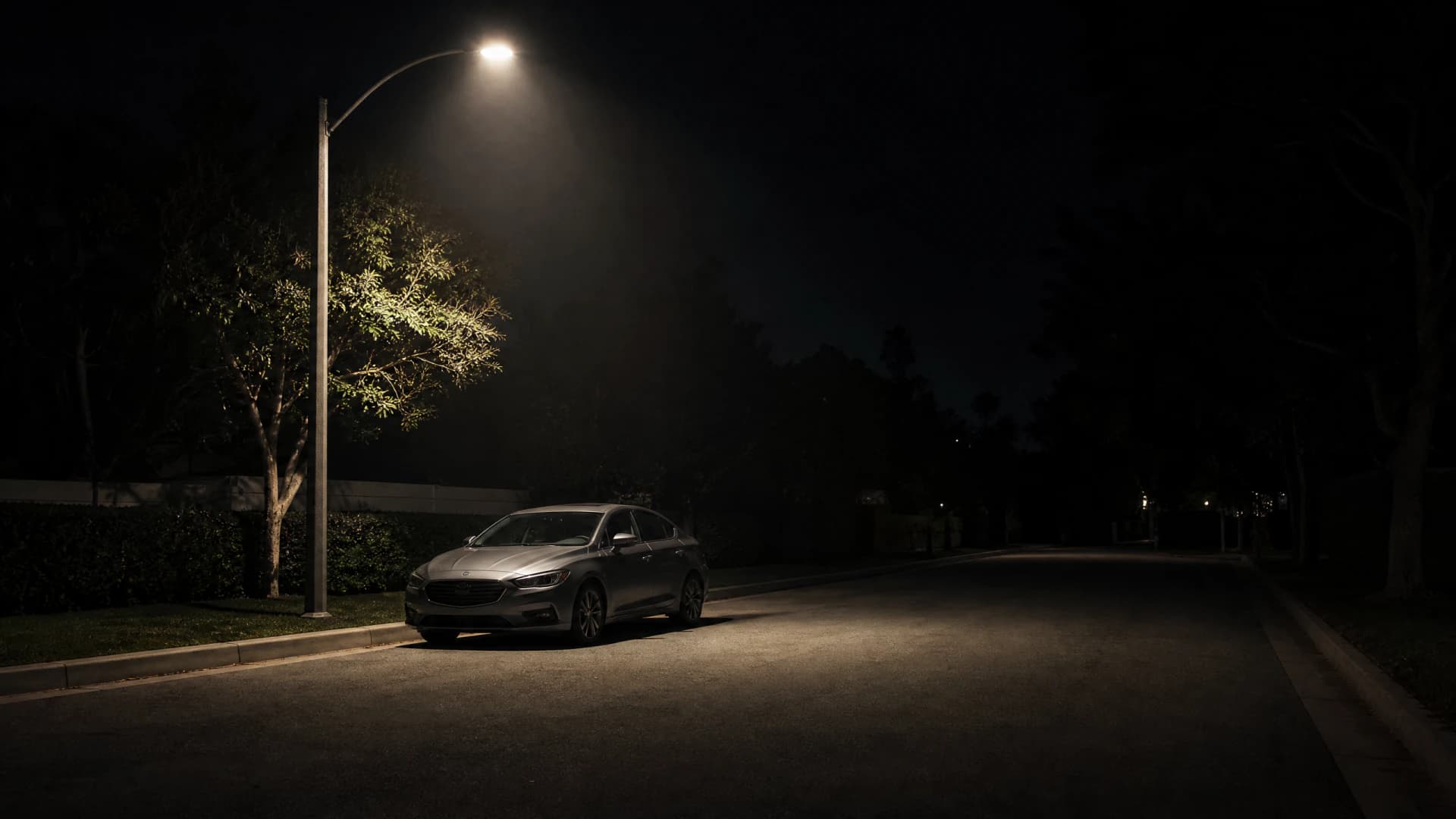
Your license stays suspended until the Secretary of State receives your SR-22 certificate. Buying insurance alone does not reinstate you.
Related Articles






The Three-Year SR-22 Filing Period and What Happens If Your Policy Lapses
Illinois requires continuous SR-22 filing for three years from your reinstatement date. This means your insurance policy must remain active without interruption for the entire period. If you cancel your policy, switch carriers without ensuring the new carrier files an SR-22, or let your policy lapse for non-payment, your current carrier is required to notify the Secretary of State within 10 days.
The moment the state receives a lapse notification, your license is suspended again. There is no grace period. You cannot drive legally until you obtain a new SR-22-backed policy and pay another reinstatement fee.
Switching carriers during your SR-22 period is allowed, but you must coordinate the transition carefully. Your new carrier must file an SR-22 before your old policy ends. A gap of even one day between filings triggers a suspension. Most drivers handle this by overlapping coverage: start the new policy a day or two before canceling the old one, and confirm the new SR-22 is on file with the state before the old policy ends.
15.2%
Illinois Uninsured Motorist Rate
More than 15 percent of Illinois drivers operate without insurance, one of the highest rates in the Midwest. This makes uninsured and underinsured motorist coverage a critical addition to your policy, especially during your SR-22 period when you're rebuilding your driving record.
Insurance Research Council, 2023

Finding SR-22 Insurance in Illinois
Not every carrier writes SR-22 policies, and those that do often charge significantly higher premiums for drivers with suspensions. Standard carriers like State Farm and Allstate write SR-22 in Illinois, but their underwriting guidelines may exclude drivers with recent uninsured violations. Non-standard carriers like Bristol West, Dairyland, The General, and Acceptance specialize in high-risk drivers and are more likely to approve your application.
When comparing quotes, ask each carrier whether they file SR-22 electronically and how quickly the filing reaches the Secretary of State. Electronic filing is standard in Illinois and typically processes within one to three business days. Paper filings, still used by a few smaller carriers, can take a week or more and increase your time off the road. Confirm the filing method before you buy.
What to Do Right Now
If your license is currently suspended for driving without insurance, contact an SR-22 carrier today. The suspension will not lift on its own, and every day you wait extends the period you're ineligible to drive. Request quotes from at least three carriers that write SR-22 in Illinois, compare the total cost including the filing fee, and choose the policy that fits your budget and provides continuous coverage for the full three-year period. Once your policy is active and the SR-22 is filed, pay your reinstatement fee and confirm receipt with the Secretary of State before you get behind the wheel. Missing any step in this sequence keeps you suspended and at risk of additional penalties if you're caught driving again.
How to Reinstate Your License After an Uninsured-Driving Suspension
First, contact an insurance carrier that writes SR-22 policies in Illinois. Not all carriers offer SR-22 filing, and some refuse to write policies for drivers with recent suspensions. The carrier roster above lists companies confirmed to write SR-22 in Illinois. Request a quote for liability coverage that meets or exceeds the state minimums, and specify that you need SR-22 filing. The carrier will file the SR-22 certificate electronically with the Secretary of State once your policy is active.
You can pay online, by mail, or in person at a Driver Services facility. Keep your receipt. Third, confirm that your SR-22 has been received by the state before you attempt to drive. The Secretary of State's office can verify receipt, typically within a few business days of your carrier's electronic filing. Only after all three steps are complete is your suspension lifted and your driving privileges restored.
Get Your Free Quote
Get My Illinois Car Insurance QuoteFrequently Asked Questions
How much is the fine for driving without insurance in Illinois?
Illinois does not publish a fixed fine amount for driving without insurance. The penalty varies by jurisdiction and whether this is your first offense.
How long is my license suspended for driving without insurance in Illinois?
The suspension does not lift automatically after a set period; it remains in effect until you act.
What is an SR-22 and why do I need one in Illinois?
An SR-22 is a financial responsibility certificate your insurance carrier files with the Illinois Secretary of State. It proves you carry at least the state minimum liability coverage. Illinois requires SR-22 filing for three years after reinstatement for uninsured-driving violations. Without it, your license stays suspended.
Can I get my license back without SR-22 insurance in Illinois?
No. Illinois law requires SR-22 filing for three years after an uninsured-driving suspension. The Secretary of State will not reinstate your license until your carrier files the SR-22 certificate electronically. Buying insurance alone does not satisfy the requirement.
What happens if my SR-22 insurance lapses in Illinois?
Your carrier notifies the Illinois Secretary of State within 10 days of a lapse, and your license is suspended immediately. There is no grace period. Each lapse may reset the three-year SR-22 period.
Which insurance companies file SR-22 in Illinois?
Carriers confirmed to write SR-22 in Illinois include State Farm, Allstate, Progressive, Geico, Bristol West, Dairyland, The General, Acceptance, GAINSCO, Infinity, Kemper, National General, Mercury General, and USAA. Non-standard carriers like Bristol West and Dairyland specialize in high-risk drivers and are more likely to approve applications after a suspension.
How much does SR-22 insurance cost in Illinois?
SR-22 insurance premiums vary by carrier, driving history, vehicle, and location. The SR-22 filing itself typically adds a small administrative fee set by the carrier, but the larger cost increase comes from being classified as high-risk. Compare quotes from multiple carriers to find the best rate for your situation.