
Car Insurance Cost — Illinois
Free to compare
What You're Actually Paying For
You just added a second car to your household and the premium jumped more than you expected. You assumed the multi-car discount would offset most of the increase, but the combined bill is higher than two separate policies would have been. The confusion is structural: the multi-car discount applies to the policy, not to each vehicle, and adding a car re-rates the entire policy based on every driver and vehicle in the household.
Illinois requires $25,000 per person and $50,000 per accident in bodily injury liability, plus $20,000 in property damage liability, for every vehicle you register. Uninsured motorist coverage is mandatory. Each vehicle on your policy must meet these minimums independently. When you add a second or third car, the carrier re-underwrites the policy using every driver's record, every vehicle's year and model, and the garaging address for each car. The multi-car discount reduces the combined premium, but it does not erase the cost of insuring the additional vehicle.
“The multi-car discount applies to the policy, not to each vehicle, and adding a car re-rates the entire policy based on every driver and vehicle in the household.”

See What Illinois Drivers Pay for the Coverage They Need
Get My Illinois Car Insurance Quote$25,000/$50,000/$20,000
Illinois Liability Minimums
Every registered vehicle in Illinois must carry at least $25,000 per person and $50,000 per accident in bodily injury liability, plus $20,000 in property damage liability. Uninsured motorist coverage is also required. These minimums apply per vehicle, not per policy.
Illinois Secretary of State
How the Multi-Car Discount Actually Works
The multi-car discount requires every vehicle to sit on the same policy. If one car is titled to a household member who maintains a separate policy, that vehicle does not count toward the discount. If the cars are garaged at different addresses, many carriers will not apply the discount at all, even if both vehicles are on the same policy. The discount is a percentage reduction applied to the combined premium after the carrier calculates the base rate for each vehicle individually.
Adding a vehicle mid-term triggers a re-rating of the entire policy. The carrier recalculates the premium for every car and every driver based on current underwriting rules, then applies the multi-car discount to the new combined total. If a driver on the policy has accumulated points or violations since the last renewal, or if a vehicle's garaging ZIP code changed, the re-rating can produce a higher combined premium even after the discount. The multi-car discount typically ranges from a small percentage to a moderate reduction, but it is applied to a higher base than the original policy carried.
Carriers writing multi-car policies in Illinois include State Farm, Geico, Progressive, Allstate, Liberty Mutual, Farmers, Nationwide, Travelers, American Family, Erie, Country Financial, Mercury General, National General, and Hartford. Each carrier calculates the multi-car discount differently. Some apply a larger discount when three or more vehicles are on the policy; others cap the discount at two vehicles. Comparing carriers on the same household profile is the only way to identify which structure produces the lowest combined premium for your specific situation.
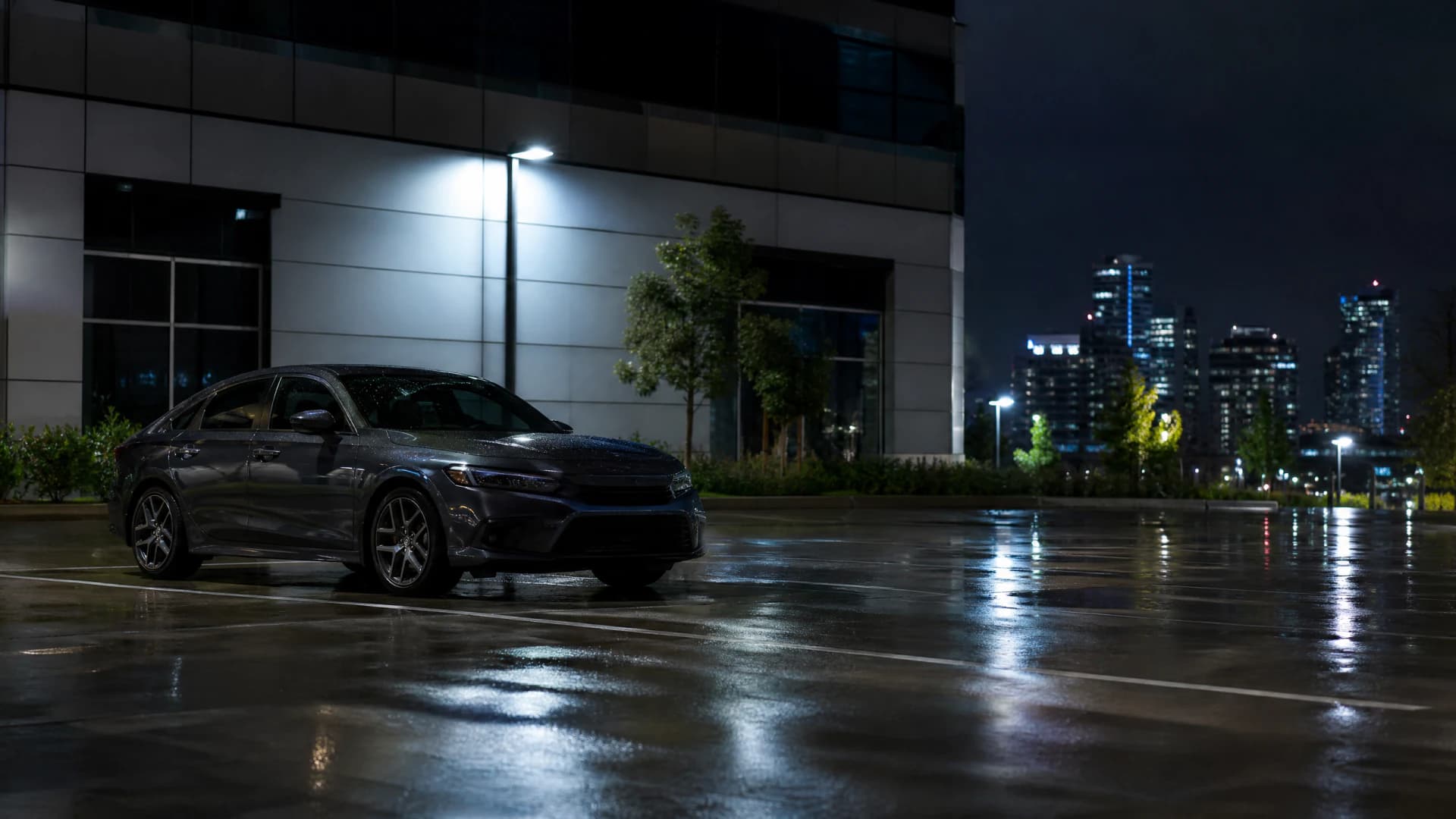
The multi-car discount applies only when every vehicle sits on the same policy and typically requires the same garaging address. A car titled to someone outside the household or garaged elsewhere usually does not qualify.





Adding a Teen Driver or a Third Vehicle
Adding a teenage driver to a multi-car policy re-rates the entire policy based on the teen's age, driving experience, and the vehicle they will primarily operate. Illinois uses a Graduated Driver Licensing system: learner permits at 15, intermediate licenses at 16, and full licenses at 18. A teen with a learner permit or intermediate license must be listed on the policy, and the carrier will assign them to the vehicle they drive most often. If the teen drives a newer or higher-value car, the combined premium will be higher than if they drive an older vehicle already on the policy.
Adding a third vehicle follows the same re-rating process. The carrier calculates the base premium for the new vehicle, adds it to the existing policy total, and applies the multi-car discount to the combined amount. If the third vehicle is a truck, SUV, or performance car, the base rate for that vehicle will be higher than a sedan or compact. If the third vehicle is garaged at a different address, some carriers will not apply the multi-car discount to it, even if it is titled to someone in the household and listed on the same policy.
Illinois registered 10,334,435 motor vehicles in 2022, with 8,509,418 licensed drivers. The state recorded 103,752 million vehicle miles traveled that year. Traffic fatalities per 100 million vehicle miles traveled stood at 1.21, and 32% of traffic fatalities involved alcohol impairment. Motor vehicle thefts per 100,000 population reached 303.1 in 2024. These figures inform how carriers price policies in Illinois, particularly for households with multiple vehicles and drivers.
15.2%
Illinois Uninsured Motorist Rate
Approximately 15.2% of motorists in Illinois were uninsured in 2023. This is why Illinois mandates uninsured motorist coverage on every policy. When you add vehicles to your policy, each one must carry this coverage.
Insurance Information Institute, 2023

When Separate Policies Make Sense
A household with drivers who have very different risk profiles may pay less with separate policies. If one driver has a DUI conviction or multiple at-fault accidents and the other has a clean record, keeping the high-risk driver on a separate non-standard policy can prevent their record from raising the premium on the low-risk driver's vehicles. Non-standard carriers writing in Illinois include Acceptance Insurance, Bristol West, Dairyland, Infinity, Kemper, GAINSCO, and The General. These carriers specialize in high-risk drivers and often offer lower rates for that profile than a standard carrier would charge to add the driver to a multi-car policy.
If one vehicle in the household is a classic car, a rarely-driven vehicle, or a commercial vehicle, it may belong on a separate policy. Classic car policies typically require the vehicle to be garaged, driven fewer than a set number of miles per year, and used only for shows or occasional recreational driving. A commercial vehicle used for business purposes usually requires a commercial auto policy, not a personal multi-car policy. Mixing these vehicle types on a single personal auto policy can result in coverage gaps or higher premiums than separate policies would produce.
Compare Carriers Writing Your Household
The multi-car discount structure varies by carrier. Some carriers apply a larger discount when you add a third or fourth vehicle; others cap the discount at two vehicles. Some carriers offer additional discounts for bundling auto with home or renters insurance, for insuring multiple drivers with clean records, or for vehicles with anti-theft devices or advanced safety features. The only way to identify which carrier offers the lowest combined premium for your specific household is to compare quotes on the same coverage levels, deductibles, and driver and vehicle profiles.
State Farm, Geico, Progressive, Allstate, and Liberty Mutual write the majority of multi-car policies in Illinois. American Family, Farmers, Nationwide, Travelers, Erie, Country Financial, Mercury General, National General, and Hartford also write multi-car policies in the state. Each carrier uses its own underwriting rules, discount structure, and base rate. A carrier that offers the lowest rate for a single vehicle may not offer the lowest rate for three vehicles with two drivers. Request quotes from at least three carriers to compare the combined premium after the multi-car discount is applied. Use the site's comparison tool to identify carriers writing your household's profile and coverage needs.
Combining Two Policies After Marriage or a Move
When two policies merge, the carrier underwrites the combined household as a single unit. Every driver on the new policy is rated based on their individual record, and every vehicle is rated based on its year, model, and garaging location. If one spouse has a clean record and the other has recent violations or points, the combined premium reflects both. The multi-car discount applies to the total, but it does not eliminate the cost of insuring the higher-risk driver. If both drivers have clean records and the vehicles are similar in value and risk profile, combining policies typically produces a lower combined premium than two separate policies.
Illinois carriers require every driver in the household to be listed on the policy or explicitly excluded. If a household member has a suspended license or a high-risk record, excluding them from the policy can lower the premium, but the excluded driver cannot operate any vehicle on the policy. If you exclude a driver and they later drive one of the insured vehicles, the carrier can deny the claim. Combining policies works best when every driver in the household will be listed and when the vehicles are garaged at the same address.
Get Your Free Quote
Get My Illinois Car Insurance QuoteFrequently Asked Questions
Does the multi-car discount apply automatically when I add a second vehicle in Illinois?
The multi-car discount applies only when every vehicle sits on the same policy and typically requires the same garaging address. If a vehicle is titled to someone outside the household or garaged at a different address, many carriers will not apply the discount to that vehicle. You must confirm with your carrier that the discount is active after adding the vehicle.
Can I keep separate policies for my spouse and myself after we move in together?
You can maintain separate policies, but combining them typically produces a lower combined premium if both drivers have clean records and the vehicles are garaged at the same address. Illinois carriers require every household member to be listed on the policy or explicitly excluded. If one driver has a high-risk record, keeping separate policies may be less expensive than combining them.
How much does adding a teenage driver increase my multi-car policy premium in Illinois?
Adding a teenage driver re-rates the entire policy based on the teen's age, driving experience, and the vehicle they will primarily operate. The increase depends on whether the teen drives a newer high-value car or an older vehicle already on the policy. Illinois requires teens to hold a learner permit at 15, an intermediate license at 16, and a full license at 18, and carriers price each stage differently.
What happens if I add a third vehicle but garage it at a different address?
Many carriers will not apply the multi-car discount to a vehicle garaged at a different address, even if it is titled to someone in the household and listed on the same policy. The carrier will rate that vehicle separately based on its garaging ZIP code. Some carriers allow different garaging addresses within the same policy but charge a higher premium for the vehicle at the second location.
Do I need to list every driver in my household on my Illinois multi-car policy?
Illinois carriers require every licensed driver in the household to be listed on the policy or explicitly excluded. If you exclude a driver and they later operate a vehicle on the policy, the carrier can deny the claim. Excluding a high-risk driver can lower the premium, but that driver cannot operate any insured vehicle.
Can I insure a classic car and daily drivers on the same multi-car policy in Illinois?
Classic car policies typically require the vehicle to be garaged, driven fewer than a set number of miles per year, and used only for shows or occasional recreational driving. Mixing a classic car with daily drivers on a personal multi-car policy can result in coverage gaps or higher premiums. A separate classic car policy usually provides better coverage and lower rates for that vehicle.