
Minimum vs Full Coverage — Illinois
Free to compare
The Decision Every Multi-Car Household Faces
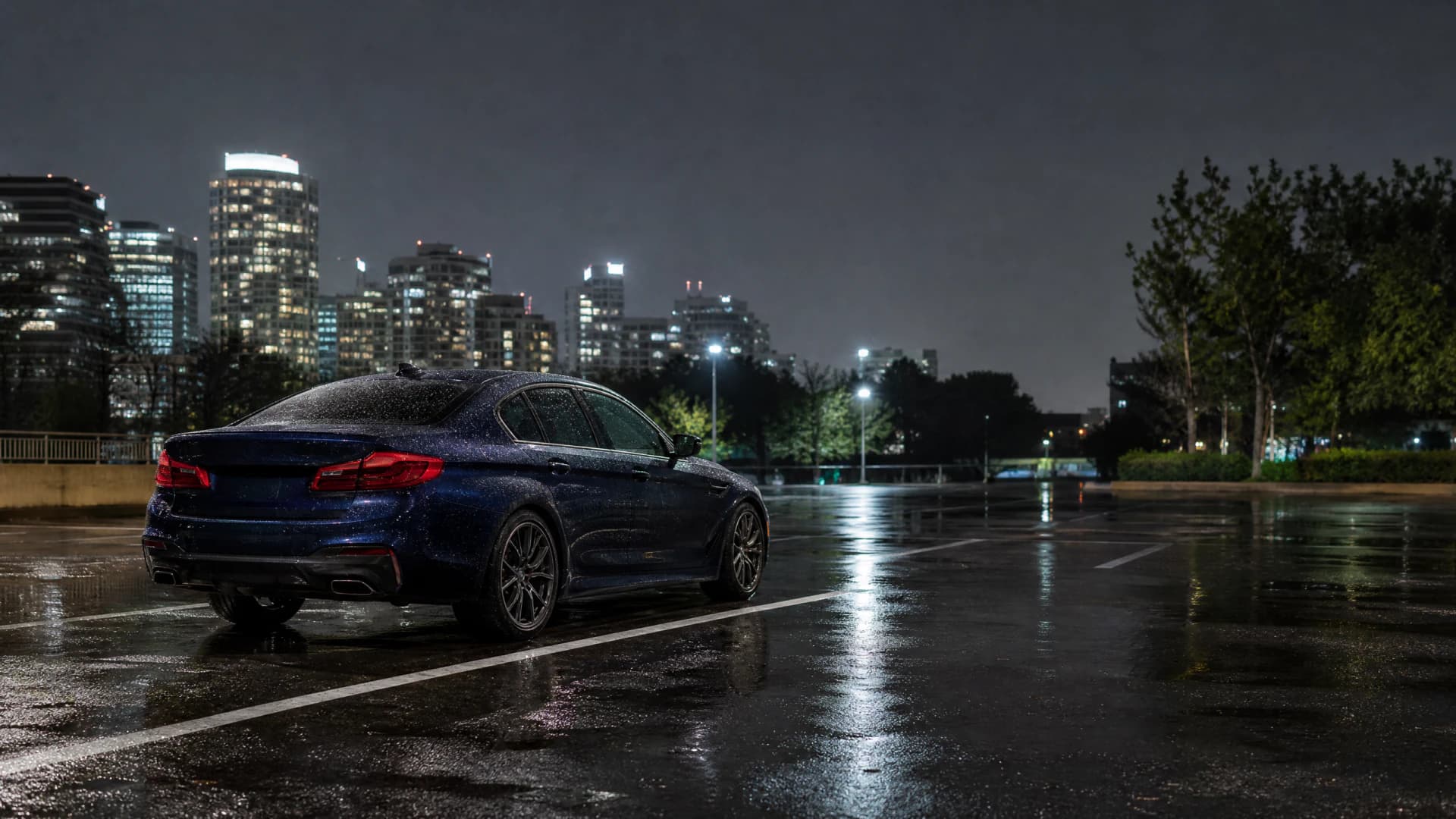
You own two cars. One is a 2022 sedan you financed; the other is a 2008 SUV you bought outright. The sedan's lender requires full coverage. The SUV does not. You need to decide whether to carry minimum liability on the older vehicle or upgrade it to match the sedan's coverage level.
This is not a policy-level choice. Illinois lets you structure coverage differently for each vehicle on the same multi-car policy. The sedan carries collision and comprehensive because the lender mandates it. The SUV can carry liability only, meeting the state minimum without paying for physical-damage coverage on a vehicle worth less than the deductible. The question is whether that split makes sense for your household, and what it costs to structure it that way.
“The multi-car discount applies to the policy, not to individual vehicles—dropping collision on one car keeps the discount intact.”

See What Illinois Drivers Pay for the Coverage They Need
Get My Illinois Car Insurance Quote$25,000 / $50,000 / $20,000
Illinois Minimum Liability
Illinois requires $25,000 bodily injury per person, $50,000 bodily injury per accident, and $20,000 property damage per vehicle. Uninsured motorist coverage is also mandatory. Every vehicle on your policy must meet these minimums.
Illinois Department of Insurance
What Minimum Coverage Actually Covers Across Two Vehicles
Minimum coverage in Illinois means liability and uninsured motorist protection on every vehicle. Liability pays the other driver's bills when you cause an accident: their medical costs up to the per-person and per-accident limits, and their vehicle repair or replacement up to the property-damage cap. Uninsured motorist coverage pays your own medical bills when an uninsured driver hits you.
Minimum coverage does not pay to repair or replace your own vehicle after an at-fault accident, a collision with an object, theft, vandalism, hail, or flood. If you total the 2008 SUV in an at-fault crash, you receive nothing for the vehicle. The sedan, with collision and comprehensive added, is covered for those losses minus the deductible.
On a two-car policy, you can carry minimum coverage on one vehicle and full coverage on the other. The policy treats each vehicle separately. The SUV's liability limit does not change because the sedan has collision coverage. Each vehicle's coverage elections are independent, but both sit on the same policy and share the multi-car discount.
The multi-car discount applies to the policy, not to individual vehicles. Dropping collision on one car does not eliminate the discount as long as both vehicles remain on the same policy.





How Lenders and Lease Companies Control the Decision
If you finance or lease a vehicle, the lender or leasing company requires collision and comprehensive until the loan is paid off or the lease ends. The requirement appears in the finance agreement. The lender is named on the policy as a loss payee, and the carrier notifies the lender if you drop physical-damage coverage. If you do, the lender will force-place coverage at a higher cost and bill you for it.
The 2008 SUV, owned outright, has no lender. You decide whether to carry collision and comprehensive based on the vehicle's value and your ability to replace it out of pocket. The 2022 sedan's lender decides for you. That creates the split: full coverage on the financed vehicle because the contract requires it, minimum coverage on the older vehicle because no one requires more.
When the sedan's loan is paid off, you regain the choice. At that point, compare the sedan's value to the annual cost of collision and comprehensive. That ratio supports keeping full coverage.
15.2%
Illinois Uninsured Motorist Rate
15.2 percent of Illinois drivers carry no insurance. Uninsured motorist coverage, mandatory in Illinois, pays your medical bills when an uninsured driver causes the accident. It does not pay for your vehicle unless you add uninsured motorist property damage, an optional coverage.
Insurance Research Council, 2023
Structuring Coverage When One Vehicle Sits Unused
Some multi-car households own a vehicle they rarely drive: a classic car garaged most of the year, a second commuter car used only when the primary vehicle is in the shop, or a truck used seasonally. Illinois does not allow you to drop liability coverage entirely on a registered, plated vehicle, but you can drop collision and comprehensive if no lender requires them.
If the rarely-driven vehicle has full coverage, dropping collision and comprehensive lowers the premium for that vehicle without affecting the other car's coverage or the multi-car discount. The rarely-driven vehicle still carries the state-required liability and uninsured motorist minimums. If you want to eliminate the premium entirely, you must surrender the plates and registration to the Illinois Secretary of State and store the vehicle unregistered. An unregistered vehicle cannot be driven on public roads, even to move it from one garage to another.
Compare Carriers That Write Split-Coverage Multi-Car Policies
Not every carrier prices split-coverage policies the same way. Some carriers charge a higher base rate but apply a larger multi-car discount. Others start with a lower base rate and apply a smaller discount. A smaller discount on a lower base rate can produce a lower total premium than a larger discount on a higher base. The only way to know which structure costs less for your household is to compare quotes with the same coverage elections on each vehicle.
When you request quotes, specify the coverage level for each vehicle separately. Tell the carrier the sedan carries full coverage with a $1,000 deductible and the SUV carries minimum liability only. If you later decide to upgrade the SUV to full coverage, the carrier re-rates the policy. That re-rating applies to both vehicles, not just the one you changed, because the multi-car discount and the household's overall risk profile are recalculated when any vehicle's coverage changes. Compare the new total premium to the old one before you commit to the change.
What Full Coverage Adds to Each Vehicle
Collision pays to repair or replace your vehicle after a crash with another car or object, regardless of fault. If you back the sedan into a pole or get rear-ended and the other driver has no insurance, collision covers your repair minus your deductible. Comprehensive pays for non-collision losses: theft, vandalism, glass damage, hail, flood, fire, and animal strikes. Both coverages require you to choose a deductible, typically $500 or $1,000.
Adding collision and comprehensive to the 2008 SUV raises the premium for that vehicle. Whether the increase makes sense depends on the SUV's value. At that threshold, most households self-insure the older vehicle and carry full coverage only on the financed sedan.
Get Your Free Quote
Get My Illinois Car Insurance QuoteFrequently Asked Questions
Can I carry full coverage on one car and minimum coverage on another on the same Illinois policy?
Yes. Illinois lets you structure coverage separately for each vehicle on a multi-car policy. One vehicle can carry collision and comprehensive while another carries liability only. Both vehicles must meet the state's minimum liability and uninsured motorist requirements.
Does dropping collision on one vehicle eliminate the multi-car discount?
No. The multi-car discount applies to the policy, not to individual vehicles. As long as both vehicles remain on the same policy, the discount stays in place even if one vehicle carries minimum coverage and the other carries full coverage.
What is the difference between minimum coverage and liability-only coverage in Illinois?
Minimum coverage in Illinois includes liability and uninsured motorist protection. Liability-only is not a complete description because Illinois requires uninsured motorist coverage on every vehicle. Minimum coverage meets the state's mandatory requirements; full coverage adds collision and comprehensive.
When does it make sense to drop collision and comprehensive on an older vehicle?
Drop collision and comprehensive when the annual cost exceeds 10 to 15 percent of the vehicle's value. At that threshold, most households self-insure the vehicle.
Will my lender let me drop full coverage on a financed vehicle?
No. Lenders and lease companies require collision and comprehensive until the loan is paid off or the lease ends. The requirement is in the finance agreement. If you drop coverage, the lender will force-place it at a higher cost and bill you.
How do I compare carriers for a split-coverage multi-car policy?
Request quotes with the same coverage elections on each vehicle. Specify which vehicle carries full coverage and which carries minimum liability. Compare the total premium across carriers. A smaller discount on a lower base rate can beat a larger discount on a higher base.