
Farmers Multi-Car Insurance — Illinois
Free to compare
Does Farmers Write Multi-Car Policies in Illinois
Farmers writes auto insurance in Illinois and offers multi-car policies for households insuring two or more vehicles. The carrier is licensed statewide, writes standard-tier coverage including SR-22, non-owner, and after-DUI policies, and accepts online quotes. Illinois households managing multiple cars can combine them on one Farmers policy and qualify for the multi-car discount when every vehicle sits on the same policy and shares a garaging address.
The structural question most households face is not whether Farmers writes here — it does — but whether combining your vehicles under Farmers produces a lower combined premium than keeping them on separate policies or splitting them across carriers. That answer depends on how Farmers structures its multi-car discount, how adding a vehicle mid-term re-rates your existing policy, and whether your household meets the same-policy requirement the discount demands.
“The multi-car discount requires every vehicle on the same policy; a household member's car on a separate policy does not qualify.”

See What Illinois Drivers Pay for the Coverage They Need
Get My Illinois Car Insurance Quote$25,000 / $50,000 / $20,000
Illinois Minimum Liability Limits
Illinois requires $25,000 bodily injury per person, $50,000 per accident, and $20,000 property damage. Every vehicle on your policy must carry at least these minimums to register and legally drive.
Illinois Secretary of State
How the Multi-Car Discount Actually Works at Farmers
The multi-car discount at Farmers requires every vehicle you want covered to sit on the same policy. A car titled to a household member on a different policy does not count toward the discount, even if both policies are with Farmers. The discount applies to the combined premium for all vehicles on the policy, not to each car individually.
When you add a second or third vehicle to an existing Farmers policy, the system re-rates the entire policy rather than simply adding a flat amount for the new car. That re-rating recalculates the premium for every vehicle based on the new household risk profile. In some cases, the combined premium after adding a vehicle is lower per car than insuring them separately. In others, the re-rating produces a higher total because the new vehicle changes the household's overall risk tier.
Farmers structures its discount around same-policy consolidation. If you and a spouse each carry separate Farmers policies and want to combine them after marriage or a move, you will need to cancel one policy and add those vehicles to the other. The combined policy then qualifies for the multi-car discount, but the cancellation and re-rating process can produce a mid-term premium adjustment that surprises households expecting a simple merge.
The discount does not apply retroactively. If you buy a second car and add it to your policy mid-term, the discount takes effect immediately, but you will not receive a refund for the portion of the term before the second vehicle was added.
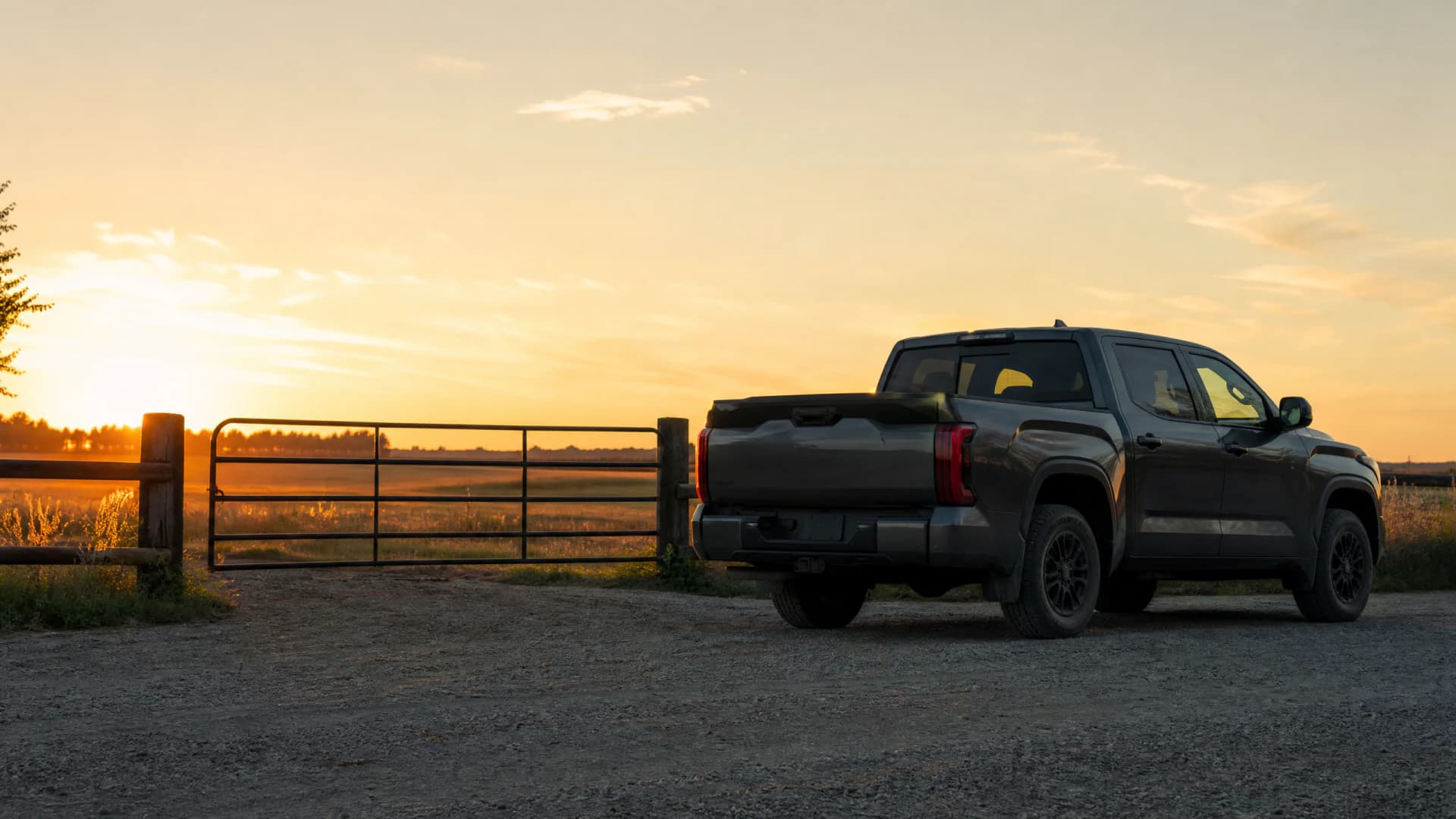
The multi-car discount requires every vehicle on the same policy. A household member's car on a separate policy does not qualify, even at the same carrier.


When Combining Policies Saves Money and When It Does Not
Combining two separate policies into one multi-car policy usually lowers the total premium, but not always. The outcome depends on the base rate each policy carried before the merge, the discount percentage Farmers applies to the combined policy, and whether the vehicles and drivers on both policies fit the same risk tier.
A household with two low-risk drivers and two similar vehicles often sees a meaningful reduction when combining policies. A household with one high-risk driver and one low-risk driver may see the combined premium rise because the high-risk driver's profile now affects the rate for both vehicles. Farmers calculates the combined premium by pooling all drivers and vehicles into one household risk profile, then applying the multi-car discount to that pooled rate. If the pooled rate is higher than the sum of the two separate rates, the discount may not fully offset the increase.
Illinois mandates uninsured motorist coverage, which adds to the base premium for every vehicle. When you combine policies, that mandatory coverage applies to the combined policy, but the per-vehicle cost may drop because the carrier spreads the coverage across more units. The net effect depends on how Farmers structures its UM pricing for multi-car households.
15.2%
Illinois Uninsured Motorist Rate
Approximately 15.2% of Illinois motorists drive uninsured. Uninsured motorist coverage is mandatory in Illinois and protects you when an at-fault driver has no insurance.
Insurance Research Council, 2023
Farmers Compared to Other Illinois Multi-Car Carriers
Farmers is one of several standard-tier carriers writing multi-car policies in Illinois. State Farm, Allstate, Progressive, Geico, and Nationwide also write here and offer multi-car discounts with similar same-policy requirements. The structural difference between carriers is not whether they offer the discount — most do — but how they calculate the base rate before applying it, how they handle mid-term additions, and whether they write coverage for high-risk or after-DUI drivers who need to add multiple vehicles.
Farmers writes SR-22, non-owner, and after-DUI coverage in Illinois, which means households with one high-risk driver and multiple vehicles can consolidate everything under one Farmers policy rather than splitting the high-risk car onto a non-standard carrier. That consolidation simplifies billing and often produces a lower combined premium than maintaining two separate policies across different carriers.
Compare Carriers That Write Your Household Structure
The best way to determine whether Farmers offers the lowest combined premium for your household is to compare it against other carriers writing Illinois multi-car policies with your specific vehicle count, driver assignments, and coverage levels. Farmers writes here, offers the discount, and accepts online quotes. Whether it beats competitors depends on your household's risk profile and how each carrier structures its multi-car pricing.
Use the comparison tool on this site to see which carriers write policies for households with your vehicle count and driver structure. Enter your Illinois ZIP code, the number of vehicles you are insuring, and the coverage levels you need. The tool returns carriers licensed in Illinois that write multi-car policies and shows you which ones accept online quotes versus requiring a broker.
What Happens When You Add a Vehicle Mid-Term
Most carriers, including Farmers, re-rate the full policy when you add a vehicle. The system recalculates the premium for every car based on the new household composition, the added vehicle's make and model, and the updated driver assignment. That re-rating can raise or lower the per-vehicle cost depending on how the new car changes the household's risk profile. A newer, safer vehicle with advanced safety features may lower the overall rate. An older, high-theft-risk vehicle or a sports car may raise it.
Illinois requires proof of insurance before you can register a newly purchased vehicle. Farmers typically extends automatic coverage to a newly acquired car for a limited grace period — often 14 to 30 days — as long as you report the purchase within that window. If you miss the reporting deadline, the new car may not be covered at the time of a claim, even if you were paying premiums on your existing vehicles. The grace period is not a substitute for timely reporting; it is a safety net for the gap between purchase and formal addition to the policy.
Get Your Free Quote
Get My Illinois Car Insurance QuoteFrequently Asked Questions
Does Farmers offer a discount for insuring multiple cars in Illinois?
Yes. Farmers offers a multi-car discount in Illinois when you insure two or more vehicles on the same policy. The discount applies to the combined premium for all vehicles, not to each car individually, and requires every vehicle to sit on the same policy and share a garaging address.
Can I combine two separate Farmers policies into one multi-car policy?
Yes. You can combine two separate Farmers policies by canceling one and adding those vehicles to the other. The combined policy qualifies for the multi-car discount, but the cancellation and re-rating process produces a mid-term premium adjustment that may raise or lower your total cost depending on the household risk profile.
What happens to my premium when I add a second car to my Farmers policy?
Adding a second car triggers an immediate re-rating of the entire policy. Farmers recalculates the premium for every vehicle based on the new household composition, the added vehicle's make and model, and updated driver assignments. The multi-car discount applies immediately, but the re-rating may raise or lower the per-vehicle cost depending on the new car's risk profile.
Does Farmers write multi-car policies for high-risk drivers in Illinois?
Yes. Farmers writes SR-22, non-owner, and after-DUI coverage in Illinois, which means households with one high-risk driver and multiple vehicles can consolidate everything under one Farmers policy. That consolidation often produces a lower combined premium than splitting the high-risk car onto a non-standard carrier.
How long do I have to add a newly purchased car to my Farmers policy in Illinois?
Farmers typically extends automatic coverage to a newly acquired car for 14 to 30 days, as long as you report the purchase within that window. If you miss the reporting deadline, the new car may not be covered at the time of a claim, even if you were paying premiums on your existing vehicles.