
Cheapest Full Coverage Car Insurance — Illinois
Free to compare
When Full Coverage on Every Car Costs More Than It Should
You own three cars. One is a 2022 sedan you drive daily, one is a 2015 SUV your spouse uses for work, and one is a 2008 hatchback your teenager drives to school. Your current policy applies full coverage—liability, collision, and comprehensive—to all three vehicles at identical limits. The premium is higher than you expected, and you're wondering if there's a way to structure coverage that costs less without violating Illinois law or leaving a vehicle unprotected.
Illinois does not require full coverage on any vehicle. The state mandates only liability insurance: $25,000 per person for bodily injury, $50,000 per accident for bodily injury, and $20,000 for property damage. Collision and comprehensive are optional. You can apply different coverage tiers to different vehicles on the same policy, as long as every car meets the state minimum liability requirement. The question is which vehicles justify full coverage and which do not.
“Illinois law permits different coverage tiers per vehicle on the same policy, as long as every car meets the state minimum liability requirement.”

See What Illinois Drivers Pay for the Coverage They Need
Get My Illinois Car Insurance Quote$25,000 / $50,000 / $20,000
Illinois Minimum Liability
Every vehicle registered in Illinois must carry at least $25,000 bodily injury per person, $50,000 bodily injury per accident, and $20,000 property damage. These limits apply whether you carry one car or five on the policy.
Illinois Secretary of State, 625 ILCS 5/7-203
What Full Coverage Actually Covers Across Multiple Vehicles
Full coverage is not a legal term. It is shorthand for a policy that includes liability plus collision and comprehensive. Collision pays to repair your vehicle after an accident with another car or object, regardless of fault. Comprehensive pays for damage from theft, vandalism, weather, or animal strikes. Neither is required by Illinois law, but lenders require both if you finance or lease a vehicle.
When you insure multiple vehicles on one policy, the carrier applies the coverage selections you choose to each car individually. You can carry full coverage on the financed sedan, liability-only on the paid-off hatchback, and liability plus comprehensive (but not collision) on the SUV. The policy remains valid as long as every vehicle meets the state minimum liability requirement. Carriers do not require identical coverage across all vehicles.
The multi-car discount applies to the total policy premium, not to individual vehicles. Adding a second or third car to the policy typically reduces the per-vehicle cost compared to separate policies, even when coverage levels differ across the vehicles. The discount is a function of the policy structure, not the coverage tier.
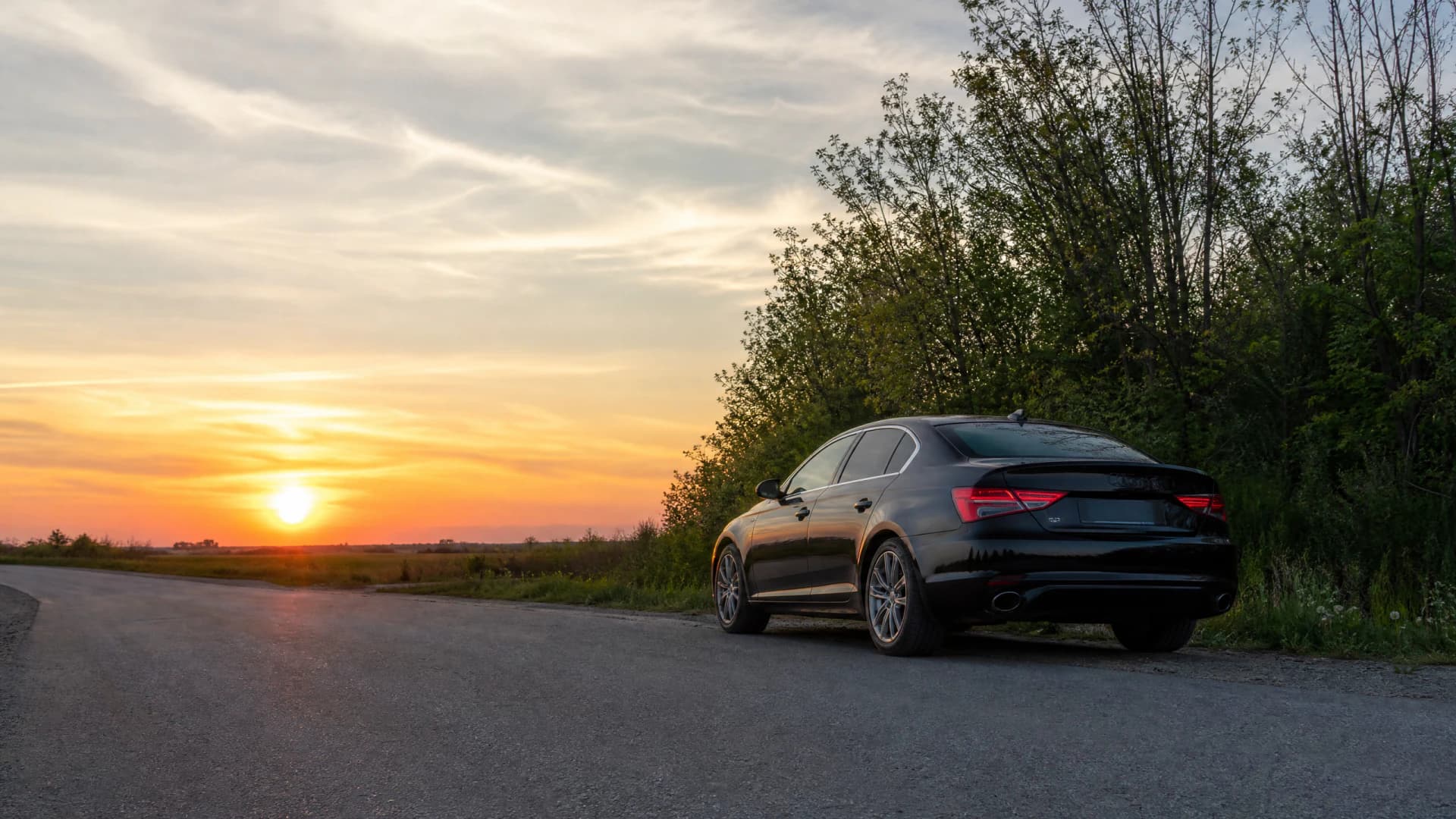
The structural blocker: you assume full coverage must apply uniformly across every vehicle, when Illinois law permits different coverage tiers per car on the same policy.
Related Articles





Carrier Behavior When You Mix Coverage Tiers on One Policy
Carriers writing multi-vehicle policies in Illinois allow different coverage selections per vehicle. You select liability limits, collision, comprehensive, and deductibles individually for each car when you build the quote. The system calculates the total premium by summing the per-vehicle cost and applying the multi-car discount to the combined total. The discount percentage does not change based on whether coverage tiers match across vehicles.
Some carriers require that liability limits remain consistent across all vehicles on the policy. Other carriers permit different liability limits per vehicle, as long as each meets the state minimum. Check the carrier's underwriting rules during the quote process. If uniform liability limits are required and you want lower limits on one vehicle, you may need to place that car on a separate policy.
Uninsured motorist coverage follows the same per-vehicle structure. Illinois requires uninsured motorist coverage, but the limits can vary by vehicle on the same policy. You can carry higher uninsured motorist limits on the car you drive most often and state-minimum limits on the car your teenager drives occasionally. The requirement is that uninsured motorist coverage exists for every vehicle, not that the limits match.
15.2%
Illinois Uninsured Motorist Rate
Approximately 15.2% of Illinois drivers operate without insurance. Uninsured motorist coverage is mandatory in Illinois and protects you when an at-fault driver has no liability policy to pay your claim.
Insurance Research Council, 2023

When Dropping Coverage on One Vehicle Raises the Policy Premium
Removing collision or comprehensive from one vehicle does not always lower the total policy premium. Some carriers calculate the multi-car discount as a percentage of the combined coverage cost. If you drop collision on the third vehicle, the base premium for that car falls, which reduces the dollar amount of the discount applied to the other two vehicles. The net result can be a smaller total savings than expected, or in rare cases a higher total premium if the discount reduction exceeds the coverage cost you removed.
This outcome is carrier-specific and depends on how the discount is structured. Request a revised quote with the proposed coverage change before finalizing. Compare the total policy premium with and without collision on the third vehicle. If the savings are minimal, the decision comes down to whether the coverage is worth the marginal cost, not whether dropping it saves money.
Compare Carriers Writing Multi-Vehicle Policies in Illinois
Illinois has 31 carriers writing multi-vehicle auto insurance policies with varying underwriting rules, discount structures, and coverage flexibility. State Farm, Geico, Progressive, Allstate, and Farmers write the majority of multi-car policies in the state and allow different coverage tiers per vehicle. Non-standard carriers such as Bristol West, Dairyland, and Acceptance Insurance also write multi-vehicle policies and may offer lower base rates for households with older paid-off vehicles on the policy.
Request quotes from at least three carriers. Provide the same liability limits, deductibles, and coverage selections for each vehicle across all quotes so you can compare the total policy premium and the per-vehicle breakdown. Ask whether the carrier requires uniform liability limits across all vehicles, and whether the multi-car discount applies when coverage tiers differ. The answers vary by carrier and affect which structure costs least for your household.
How to Structure Coverage Across Your Household's Vehicles
Start with the vehicle's current market value. If the car is worth less than ten times your collision deductible, collision coverage costs more over time than the maximum payout you would receive after a total loss. Drop collision and keep comprehensive if theft or weather damage is a concern in your area.
Financed and leased vehicles require full coverage by contract. The lender holds a lien on the title and mandates collision and comprehensive to protect their interest. You cannot drop either coverage until the loan is paid off or the lease ends. Paid-off vehicles have no such requirement. If the older hatchback is titled free and clear, you can drop collision, drop comprehensive, or drop both and carry liability only.
Get Your Free Quote
Get My Illinois Car Insurance QuoteFrequently Asked Questions
Can I carry full coverage on one car and liability-only on another car on the same Illinois policy?
Yes. Illinois does not require identical coverage across all vehicles on a multi-car policy. You can apply full coverage to financed or high-value vehicles and liability-only to paid-off or older cars, as long as every vehicle meets the state minimum liability requirement of $25,000/$50,000/$20,000. Carriers allow different coverage selections per vehicle when you build the quote.
Does dropping collision on one vehicle reduce my multi-car discount in Illinois?
It depends on the carrier. Some carriers calculate the multi-car discount as a percentage of the combined coverage cost. Dropping collision on one vehicle lowers that car's base premium, which can reduce the dollar amount of the discount applied to the other vehicles. Request a revised quote with the proposed change to see the net effect on your total policy premium before finalizing.
Do all carriers in Illinois allow different liability limits per vehicle on the same policy?
No. Some carriers require uniform liability limits across all vehicles on a multi-car policy. Others permit different limits per vehicle, as long as each meets the state minimum. Check the carrier's underwriting rules during the quote process. If you want lower limits on one vehicle and the carrier requires uniform limits, you may need to place that car on a separate policy.
What is the minimum liability insurance required for each vehicle in Illinois?
$25,000 per person for bodily injury, $50,000 per accident for bodily injury, and $20,000 for property damage. Every vehicle registered in Illinois must carry at least these limits, whether you insure one car or five on the same policy. Collision and comprehensive are optional unless required by a lender.
Can I drop comprehensive but keep collision on a paid-off car in Illinois?
Yes. Comprehensive and collision are independent coverages. You can drop either one without affecting the other, as long as the vehicle is paid off and not subject to a lender's coverage requirements. Some drivers keep collision for accident protection but drop comprehensive to save on premium when theft and weather risk are low.
Does Illinois require uninsured motorist coverage on every vehicle in a multi-car policy?
Yes. Illinois requires uninsured motorist coverage on every vehicle, but the limits can vary per vehicle on the same policy. You can carry higher uninsured motorist limits on the car you drive most often and state-minimum limits on vehicles driven less frequently. Approximately 15.2% of Illinois drivers operate without insurance, making this coverage critical.