
Multi-Car Insurance — Illinois
Free to compare
When Adding a Second Vehicle Changes Your Policy Structure
You just bought a second car and your carrier told you the multi-car discount applies only if both vehicles sit on the same policy, titled to the same household, and garaged at the same address. Your spouse's car is titled separately, or your college-age child's vehicle is garaged across town, and now you cannot tell whether combining saves money or costs more.
Illinois law requires every vehicle to carry at least $25,000 per person and $50,000 per accident in bodily injury liability, plus $20,000 in property damage liability, and uninsured motorist coverage at the same limits. The multi-car discount reduces the combined premium when multiple vehicles meet the carrier's same-policy requirements, but those requirements vary by carrier and often exclude vehicles that do not share title or garaging address.
“A vehicle titled to someone outside your household often disqualifies your entire household from the multi-car discount, even with the same carrier.”

See What Illinois Drivers Pay for the Coverage They Need
Get My Illinois Car Insurance Quote$25,000 / $50,000 / $20,000
Illinois Minimum Liability Per Vehicle
Every vehicle registered in Illinois must carry at least these limits. A household with three cars pays for three sets of minimum coverage, and the multi-car discount applies to the combined premium only when all vehicles sit on one policy.
Illinois Secretary of State, 625 ILCS 5/7-203
The Same-Policy Requirement Most Households Miss
The multi-car discount requires every vehicle to appear on the same policy. A vehicle titled to a household member on a separate policy does not count toward the discount, even if both policies are with the same carrier. A car garaged at a different address often disqualifies the household from the discount entirely, because most carriers define the discount around vehicles garaged at the primary residence.
Illinois does not mandate the multi-car discount. Carriers set their own eligibility rules, and those rules vary. Some carriers allow vehicles titled to different household members as long as they share a garaging address. Others require identical title and garaging. A household that assumes the discount applies automatically often discovers at renewal that only one vehicle qualified, and the second car was rated as a standalone policy.
The structural reality: the multi-car discount is not a line-item deduction. It is a re-rating of the combined premium. Adding a second vehicle re-rates the entire policy, and the discount appears as a lower combined rate than two separate policies would produce. If the second vehicle does not meet the carrier's same-policy requirements, the household pays for two separate policies with no discount on either.
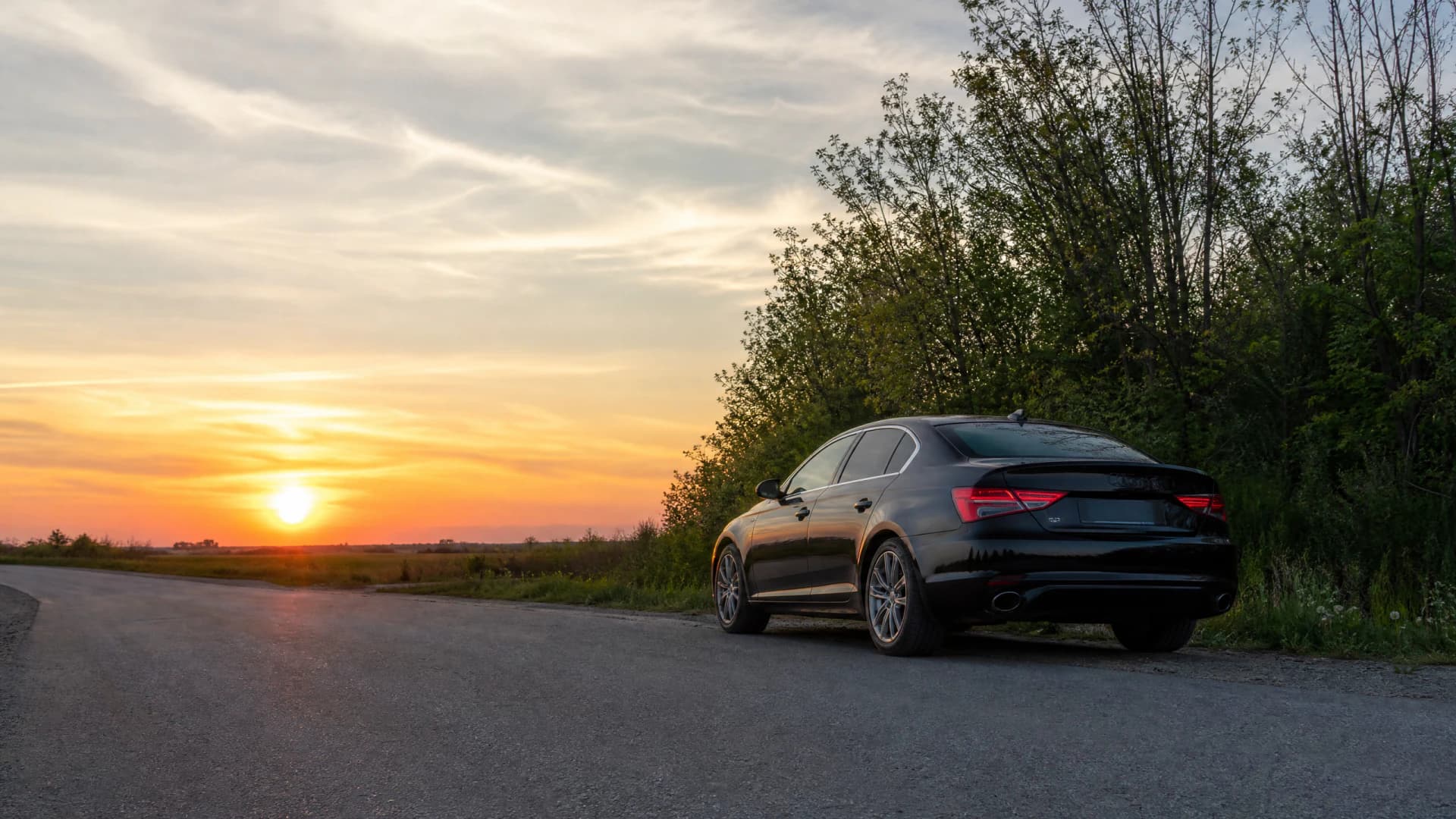
A vehicle titled to someone outside your household or garaged at a different address often disqualifies your entire household from the multi-car discount, even if both policies are with the same carrier.






When Combining Policies Costs More Than Keeping Them Separate
A household with two separate policies often assumes combining them will lower the total premium. That assumption holds when both drivers have clean records and similar vehicles. It fails when one driver carries a recent violation, a lapse in coverage, or a high-risk vehicle. The carrier re-rates the entire policy around the highest-risk driver, and the multi-car discount does not always offset the increase.
Illinois allows carriers to rate policies based on credit history, driving record, vehicle type, and garaging location. A household with one driver who has a DUI conviction and another driver with a clean record will see the clean driver's premium rise when both vehicles move to the same policy, because the carrier applies the higher-risk rating tier to the entire policy. The multi-car discount reduces the combined premium, but the reduction may not offset the increase from the higher rating tier.
The decision: compare the combined premium with the multi-car discount against the sum of two separate policies. If the combined premium is lower, combining saves money. If the combined premium is higher, keeping the policies separate costs less. The only way to know is to quote both structures with the same carrier and compare the final numbers.
28 carriers
Auto Insurers Writing Illinois
Illinois households can compare multi-vehicle structures across 28 carriers, including standard-tier companies like State Farm and Allstate, preferred-tier carriers like USAA and Amica, and non-standard carriers like Bristol West and Dairyland that write households with violations or lapses.
Illinois Department of Insurance carrier roster

Adding a Vehicle Mid-Term and How It Re-Rates Your Policy
You bought a third car halfway through your policy term and added it to your existing policy. The carrier re-rated the entire policy effective the date you added the vehicle, and your premium increased more than you expected. That increase is not a penalty. It is the carrier re-calculating the combined premium for three vehicles instead of two, and applying the multi-car discount to the new total.
Illinois carriers give you a grace period to report a newly-purchased vehicle, typically 14 to 30 days depending on the carrier. During that window, the new vehicle is covered under your existing policy at the same coverage levels as your other vehicles. After the grace period expires, an unreported vehicle is not covered, and a claim on that vehicle will be denied. The carrier will not notify you when the grace period ends. You must report the vehicle before the window closes.
Compare Carriers That Write Your Household Structure
The next step: quote your household's vehicles with carriers that write your specific structure. If your vehicles are titled to different household members, start with State Farm, Allstate, and Country Financial. If one driver carries a recent violation, quote Bristol West, Dairyland, and Progressive. If you are combining two existing policies after marriage or a move, quote both the combined structure and two separate policies with the same carrier, and compare the final premiums.
Illinois requires proof of insurance at registration and during traffic stops. Every vehicle on your policy must show current coverage that meets the state's minimum liability limits. The multi-car discount does not change the coverage requirements. It changes the combined premium. Structure your policy to meet the requirements first, then optimize for cost.
How Illinois Carriers Structure Multi-Vehicle Policies
State Farm, Allstate, and Country Financial write multi-vehicle policies for Illinois households and allow vehicles titled to different household members when they share a garaging address. Progressive and Geico write multi-car policies online and apply the discount automatically when you add a second vehicle during the quote process, but both require the vehicles to be garaged at the same address and titled to members of the same household. USAA writes multi-vehicle policies for eligible military families and applies the discount to vehicles garaged at the primary residence, with exceptions for college-age dependents whose cars are garaged at school.
Carriers in the non-standard tier — Bristol West, Dairyland, Infinity, Kemper, The General, and GAINSCO — write multi-vehicle policies for households with prior violations or lapses, and their same-policy requirements are often stricter. A household with one driver carrying an SR-22 filing and another driver with a clean record may need to place both vehicles on the same policy to qualify for the multi-car discount, even though the SR-22 applies to only one driver. The carrier re-rates the entire policy around the higher-risk driver, and the discount applies to the combined premium.
Get Your Free Quote
Get My Illinois Car Insurance QuoteFrequently Asked Questions
Does Illinois require the same liability limits for every vehicle on a multi-car policy?
Yes. Illinois requires every vehicle to carry at least $25,000 per person and $50,000 per accident in bodily injury liability, plus $20,000 in property damage liability, and uninsured motorist coverage at the same limits. The multi-car discount does not reduce the coverage requirements. It reduces the combined premium when multiple vehicles meet the carrier's same-policy requirements.
Can I add my spouse's car to my Illinois policy if it is titled separately?
It depends on the carrier. State Farm, Allstate, and Country Financial allow vehicles titled to different household members on the same policy when they share a garaging address. Progressive and Geico require the vehicles to be titled to members of the same household and garaged at the same address. Quote both structures with your carrier to see which qualifies for the multi-car discount.
Does combining two Illinois policies always save money?
No. Combining policies saves money when both drivers have clean records and similar vehicles. It costs more when one driver carries a recent violation or a high-risk vehicle, because the carrier re-rates the entire policy around the highest-risk driver. The multi-car discount may not offset the increase from the higher rating tier. Compare the combined premium against the sum of two separate policies before you combine.
How long do I have to report a newly-purchased vehicle to my Illinois insurer?
Most Illinois carriers give you 14 to 30 days to report a newly-purchased vehicle. During that window, the new vehicle is covered under your existing policy at the same coverage levels as your other vehicles. After the grace period expires, an unreported vehicle is not covered, and a claim on that vehicle will be denied. Report the vehicle before the window closes.
Can I get the multi-car discount if one vehicle is garaged at a different address in Illinois?
Most carriers require every vehicle to be garaged at the primary residence to qualify for the multi-car discount. Some carriers allow exceptions for college-age dependents whose cars are garaged at school, but the exception must be documented with proof of the student's enrollment and the vehicle's garaging location. Quote your household structure with carriers that write multiple garaging addresses to see which qualifies.