
Cheapest Auto Insurance — Illinois
Free to compare
Why Adding a Second Vehicle Changes Your Premium Structure
You just bought a second car and called your carrier to add it to your existing Illinois policy. The quote came back higher than expected — not just the cost of insuring the new vehicle, but your original car's premium increased too. That's the multi-car re-rate at work: adding a vehicle doesn't simply tack on a flat amount. The carrier re-rates the entire policy, applies the multi-car discount to the new combined premium, and assigns every vehicle's rate based on the household's highest-risk driver and the garaging address shared by both cars.
Illinois law requires every vehicle on the road to carry minimum liability coverage of $25,000 per person for bodily injury, $50,000 per accident for bodily injury, and $20,000 for property damage. When you insure multiple vehicles on one policy, each car must meet those minimums independently — the limits don't stack across vehicles. The multi-car discount reduces the total policy premium, but it doesn't change the per-vehicle coverage floor the state mandates.
“A smaller discount on a lower base rate often beats a larger discount on a higher one.”

See What Illinois Drivers Pay for the Coverage They Need
Get My Illinois Car Insurance Quote$25,000/$50,000/$20,000
Illinois Minimum Liability Per Vehicle
Every vehicle on an Illinois policy must carry at least $25,000 bodily injury per person, $50,000 bodily injury per accident, and $20,000 property damage. Adding a second or third car to your policy does not reduce the per-vehicle minimum — each car's coverage must meet the state floor independently.
Illinois statutory minimum liability limits
How the Multi-Car Discount Actually Works in Illinois
The multi-car discount applies to the total policy premium after the carrier calculates the base rate for every vehicle. Most carriers require every vehicle to sit on the same policy and share a garaging address for the discount to apply. A vehicle titled to a household member but insured on a separate policy does not count toward your multi-car discount, even if both policies are with the same carrier.
When you add a vehicle mid-term, the carrier re-rates the policy immediately rather than waiting for renewal. The new premium reflects the combined risk of every vehicle and every driver listed on the policy. If the newly-added vehicle is driven by a higher-risk driver — a teen, someone with a recent violation, or a driver the carrier rates differently than your original driver — that driver's risk profile applies to every vehicle on the policy, not just the car they drive.
The discount itself varies by carrier. Some Illinois carriers apply the multi-car discount as a percentage reduction on the second and subsequent vehicles; others reduce the total policy premium by a fixed amount. The discount structure is not standardized across the industry, so comparing carriers on advertised discount percentages alone misses the base-rate difference that determines your actual out-of-pocket cost.
A smaller discount on a lower base rate often beats a larger discount on a higher one. The carrier roster in Illinois includes 30 carriers writing standard and non-standard auto policies, and base rates vary widely by carrier tier, underwriting model, and the specific risk factors your household presents.
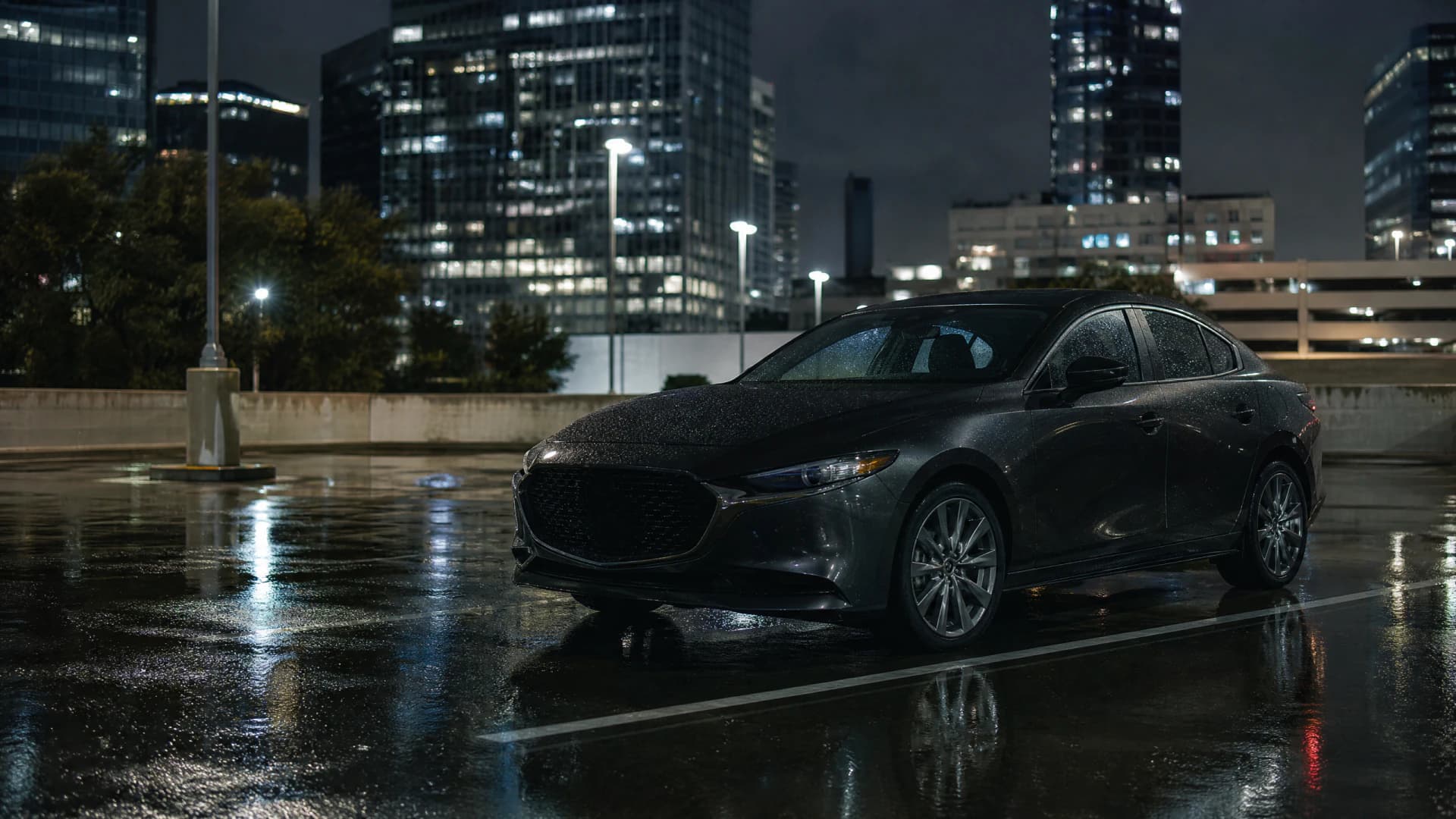
The multi-car discount applies to the policy premium, not per vehicle. Adding a second car re-rates every vehicle on the policy based on the household's highest-risk driver.






How Illinois Uninsured Motorist Coverage Applies Across Multiple Vehicles
Illinois requires every auto policy to include uninsured motorist coverage unless the policyholder rejects it in writing. When you insure multiple vehicles on one policy, the uninsured motorist coverage applies per accident, not per vehicle. If an uninsured driver hits one of your cars, your uninsured motorist coverage pays up to the policy limit regardless of which vehicle was involved.
The state does not mandate a specific uninsured motorist limit, but the coverage must be offered at limits equal to your liability coverage. If you carry the state minimum liability of $25,000 per person and $50,000 per accident, your carrier must offer uninsured motorist coverage at the same limits. You can reject it, but rejection requires a signed form acknowledging the decision.
For households insuring multiple vehicles, uninsured motorist coverage is not duplicated per car. One policy-level uninsured motorist limit covers every vehicle and every driver listed on the policy. Adding a second or third vehicle does not increase your uninsured motorist premium proportionally — the coverage cost is tied to the policy limit and the number of drivers, not the number of vehicles.
15.2%
Illinois Uninsured Motorist Rate
Approximately 15.2% of Illinois motorists drive uninsured. For households insuring multiple vehicles, uninsured motorist coverage protects every car and every driver on the policy under one policy-level limit, reducing the financial exposure when an uninsured driver causes an accident involving any of your vehicles.
Illinois uninsured motorist statistics, 2023

What Happens When You Combine Two Existing Policies After Marriage or a Move
You and your spouse each have a separate auto policy, and you're trying to determine whether combining both vehicles onto one policy saves money or costs more. The answer depends on how each carrier rates the combined household risk. If one spouse has a clean record and the other has a recent violation, the combined policy assigns both vehicles to the household's highest-risk driver for rating purposes, even if that driver never drives the other spouse's car.
Some carriers allow you to designate a primary driver per vehicle and rate each car separately within the same policy. Others rate every vehicle on the policy using the household's highest-risk driver profile. The difference in premium between these two underwriting models can exceed the value of the multi-car discount, so comparing combined-policy quotes from multiple carriers is the only way to determine which structure works for your household.
Compare Illinois Carriers Writing Your Household's Vehicles
The cheapest multi-car policy for your household is the one that combines the lowest base rate with the most favorable underwriting model for your specific driver and vehicle mix. Advertised discounts don't tell you which carrier that is — only a direct quote does. Illinois has 30 carriers writing auto policies, and base rates vary by tier, county, vehicle type, and driver profile. Start with carriers writing your household's risk tier: standard carriers if every driver has a clean record, non-standard carriers if any driver has a violation or lapse. Request quotes that reflect every vehicle, every driver, and the actual garaging address, and compare the total annual premium after the multi-car discount is applied. The carrier that quotes lowest for one household may not quote lowest for yours.
Which Illinois Carriers Write Multi-Car Policies
Standard-tier carriers — State Farm, Allstate, Geico, Progressive, Farmers, Liberty Mutual, Nationwide, American Family, Country Financial, and Travelers — write multi-car policies for households with clean driving records and vehicles garaged at the same address. These carriers typically offer the largest advertised multi-car discounts but may decline to write a policy or quote a higher rate if any household driver has a recent violation, a suspended license, or a lapse in prior coverage.
Non-standard carriers — Acceptance Insurance, Bristol West, Dairyland, GAINSCO, Infinity, Kemper, The General, and National General — write multi-car policies for higher-risk households, including drivers with DUI convictions, suspended licenses, or multiple at-fault accidents. These carriers often apply a smaller multi-car discount than standard-tier carriers, but their base rates for high-risk drivers are structured to accept the risk standard carriers decline. If one driver on your policy has a violation and another does not, a non-standard carrier may quote a lower combined premium than a standard carrier that prices the entire household at elevated risk.
Get Your Free Quote
Get My Illinois Car Insurance QuoteFrequently Asked Questions
Does the multi-car discount apply if my spouse and I have separate policies with the same carrier?
No. The multi-car discount requires every vehicle to sit on the same policy. Two separate policies with the same carrier do not qualify for the discount, even if both policies cover vehicles garaged at the same address and insure members of the same household.
Can I insure three vehicles on one Illinois policy if one car is titled to my adult child who lives at a different address?
Most carriers require every vehicle on a multi-car policy to share the same garaging address. A vehicle garaged at a different address typically must be insured on a separate policy, even if the owner is a household member. Some carriers allow exceptions for college students temporarily living away from home.
What is the minimum liability coverage required per vehicle on a multi-car Illinois policy?
Illinois requires $25,000 per person for bodily injury, $50,000 per accident for bodily injury, and $20,000 for property damage on every vehicle. Adding multiple vehicles to one policy does not reduce the per-vehicle minimum — each car must meet the state floor independently.
Do I need uninsured motorist coverage on every vehicle I insure in Illinois?
Illinois requires carriers to offer uninsured motorist coverage on every policy, but you can reject it in writing. The coverage applies per accident, not per vehicle, so one policy-level uninsured motorist limit covers every car and every driver on your multi-car policy.
Which Illinois carriers write multi-car policies for households with one high-risk driver?
Non-standard carriers including Acceptance Insurance, Bristol West, Dairyland, GAINSCO, Infinity, Kemper, The General, and National General write multi-car policies for households with drivers who have DUI convictions, suspended licenses, or recent at-fault accidents. These carriers structure base rates to accept the risk standard-tier carriers decline.