
Multi-Car Insurance — Illinois
Free to compare
When Adding a Vehicle Splits Your Discount
You bought a second car, or a household member moved in with their own vehicle, and you assumed adding it to your existing Illinois policy would automatically trigger the multi-car discount. Then the quote came back higher than expected, or the discount disappeared entirely, and you're trying to understand why. The answer: the multi-car discount requires every vehicle to sit on the same policy, and often that they share a garaging address. A car titled to someone outside your household, or a vehicle on a separate policy under a different name, does not count.
This article clarifies how Illinois minimum liability limits apply across multiple vehicles, what the multi-car discount actually requires, and when combining two policies into one saves money versus when it costs more. You'll see the specific structural blockers that prevent the discount from applying, the documentation carriers require to add a vehicle mid-term, and the failure modes competing pages omit.
“A 20% multi-car discount on a higher base rate can cost more than a 10% discount on a lower base rate.”

See What Illinois Drivers Pay for the Coverage They Need
Get My Illinois Car Insurance Quote$25,000/$50,000/$20,000
Illinois Minimum Liability Per Vehicle
Every vehicle registered in Illinois must carry at least $25,000 bodily injury per person, $50,000 bodily injury per accident, and $20,000 property damage. These minimums apply to each car on your policy, not to the policy as a whole.
Illinois state minimum liability requirements
The Same-Policy Requirement
The multi-car discount applies only when every vehicle sits on one policy issued to the same named insured. If you own two cars and your spouse owns one, and the spouse's car remains on a separate policy under their name alone, your policy covers two vehicles and theirs covers one. Neither policy qualifies for the multi-car discount because neither policy insures multiple vehicles.
Carriers typically require that all vehicles share the same garaging address to qualify. A car garaged at a second home, a college student's vehicle parked out of state, or a classic car stored at a separate location may not count toward the discount even if titled to the same owner. The structural reality: the discount rewards consolidating risk under one policy at one address, not simply owning multiple cars.
When you add a vehicle mid-term, the carrier re-rates the entire policy rather than adding a flat amount. The new premium reflects the combined risk of all vehicles, all drivers, and the multi-car discount applied to the total. This re-rating can produce a lower per-vehicle cost than two separate policies, but only if every vehicle and every driver in the household appear on the same policy.
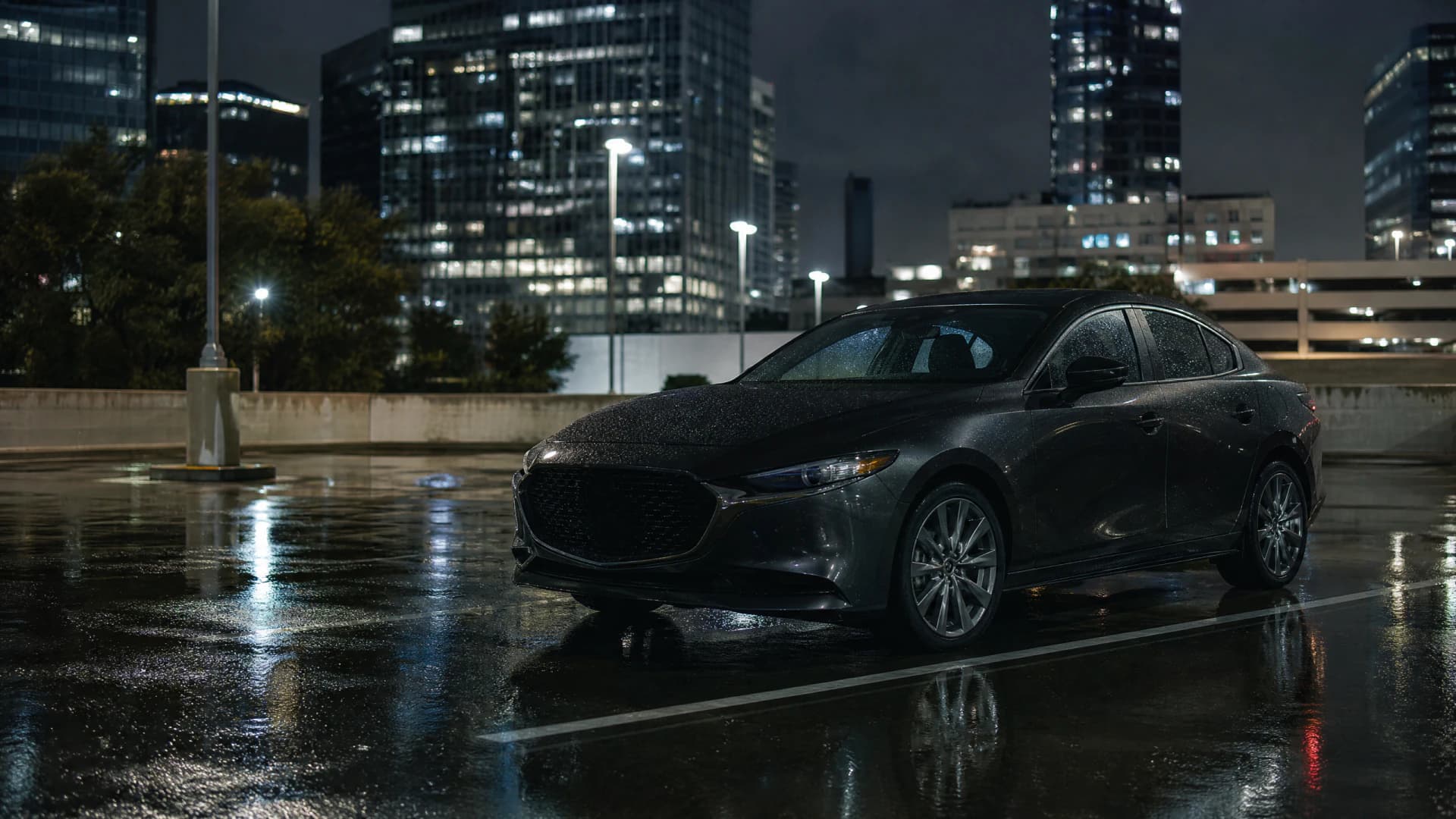
A vehicle titled to a household member on a different policy does not count toward your multi-car discount, even if you live at the same address.
Related Articles







When Combining Policies Costs More
Combining two separate policies into one does not always lower the total premium. If one policy covers a driver with a clean record and the other covers a driver with recent violations, merging them onto one policy applies the higher-risk driver's rating to every vehicle. The multi-car discount may not offset the increased per-vehicle cost triggered by the higher-risk driver's record.
A household with one standard-tier driver and one non-standard-tier driver often pays less by keeping two separate policies, each with the carrier that writes that driver's risk profile. Standard carriers offer better rates for clean-record drivers but charge steep surcharges for violations. Non-standard carriers price high-risk drivers more competitively but do not offer the same base rates for clean-record drivers. Forcing both drivers onto one policy means one of them pays the wrong carrier's rate structure.
The decision turns on comparing the combined premium of two separate policies against the combined premium of one merged policy with the multi-car discount applied. Request quotes both ways from carriers that write both risk profiles. If no single carrier writes both drivers competitively, two separate policies cost less.
15.2%
Illinois Uninsured Motorist Rate
15.2% of Illinois motorists drive uninsured, which is why Illinois requires uninsured motorist coverage on every policy. When you add a vehicle, that coverage extends to the new car automatically, but the premium increases to reflect the additional vehicle's exposure.
Illinois state insurance statistics, 2023

The Re-Rating Window
When you add a vehicle mid-term, the carrier recalculates the premium for the remainder of the policy term and bills the difference immediately or spreads it across remaining installments. This re-rating applies the multi-car discount to all vehicles retroactive to the date you added the new car, but it also re-rates every driver and every vehicle under the current rating rules. If a driver on the policy had a violation that aged off since the last renewal, the re-rating picks up the current clean record and may lower the premium. If a driver had a new violation since the last renewal, the re-rating picks up the violation and raises the premium.
The failure mode: you add a vehicle expecting a small incremental increase, and the re-rating surfaces a violation the carrier had not yet discovered, spiking the premium for every car on the policy. This is not a penalty for adding the vehicle; it is the carrier applying current rating to the entire policy at the moment you request a change. The violation was always going to raise the premium at the next renewal. Adding a vehicle mid-term simply triggers the re-rating early.
Compare Carriers That Write Multiple Vehicles
Not every carrier writes multi-car policies competitively. Some carriers offer steep multi-car discounts but start from higher base rates. Others offer smaller discounts but lower base rates, and the smaller discount on the lower base rate produces a lower total premium. The math: a 20% discount on a higher base rate can cost more than a 10% discount on a lower base rate. You cannot evaluate the discount percentage in isolation; you must compare the final quoted premium across carriers.
Illinois has 31 carriers writing auto insurance in the state, and not all of them write households with multiple vehicles or multiple drivers equally well. Request quotes from at least three carriers, specifying every vehicle, every driver, and every coverage level you need. The quote must reflect the actual household structure: all vehicles on one policy, all drivers rated, and the multi-car discount applied. A quote that assumes one vehicle or excludes a household driver is not comparable.
Documentation Carriers Require Mid-Term
You need the vehicle identification number, the exact purchase date, the title showing registered owner, and proof of the garaging address. If the vehicle is financed, the carrier requires the lienholder's name and address to list them as loss payee. If the vehicle is titled to someone not already listed as a named insured or rated driver on the policy, you must add that person as a driver and provide their license number and date of birth. Carriers pull the new driver's motor vehicle record immediately, and any violations or suspensions on that record re-rate the entire policy.
Most carriers provide a grace period during which a newly-purchased vehicle is covered under your existing policy without formal notification, typically 14 to 30 days from the purchase date. This grace period applies only if you already insure at least one vehicle with that carrier. If you miss the grace window and do not report the vehicle, the carrier can deny a claim on that car retroactively, even if the accident occurred during the grace period, because you failed to complete the binding notification.
Get Your Free Quote
Get My Illinois Car Insurance QuoteFrequently Asked Questions
Does the multi-car discount apply if my spouse and I have separate policies?
No. The multi-car discount requires every vehicle to sit on one policy issued to the same named insured. If you and your spouse each have a separate policy, neither policy insures multiple vehicles, so neither qualifies for the discount. Combining both cars onto one policy under one named insured triggers the discount.
How does adding a vehicle mid-term affect my Illinois auto insurance premium?
The carrier re-rates the entire policy when you add a vehicle mid-term, applying the multi-car discount to all vehicles retroactive to the date you added the new car. The premium increase reflects the new vehicle's risk plus any changes to driver records or rating rules since your last renewal. You are billed the difference immediately or across remaining installments.
Can I keep two separate policies if one driver has violations and the other does not?
Yes, and it often costs less. If one driver has a clean record and the other has recent violations, merging them onto one policy applies the higher-risk driver's rating to every vehicle. Two separate policies let each driver use the carrier that writes their risk profile most competitively. Compare the combined premium both ways before deciding.
What documentation do I need to add a vehicle to my Illinois policy?
You need the vehicle identification number, purchase date, title showing registered owner, proof of garaging address, and lienholder information if financed. If the vehicle is titled to someone not already on the policy, you must add that person as a driver and provide their license number and date of birth. The carrier pulls their motor vehicle record and re-rates the policy.
Does Illinois require the same liability coverage on every vehicle I own?
Yes. Every vehicle registered in Illinois must carry at least $25,000 bodily injury per person, $50,000 bodily injury per accident, and $20,000 property damage. These minimums apply to each car on your policy individually, not to the policy as a whole. You can carry higher limits, but you cannot drop below the state minimum on any vehicle.
How long do I have to add a newly-purchased vehicle to my Illinois policy?
Most carriers provide a grace period of 14 to 30 days from the purchase date during which a newly-purchased vehicle is covered under your existing policy without formal notification. This grace period applies only if you already insure at least one vehicle with that carrier. Missing the grace window can result in a denied claim, even if the accident occurred during the grace period.