
Average Cost of Car Insurance — Illinois
Free to compare
What Illinois Drivers Actually Pay
You're budgeting for car insurance in Illinois and trying to figure out what you'll actually pay. The state publishes a statewide average annual expenditure per insured vehicle of $863.96 for 2023, but that figure collapses every coverage level, every county, and every driver profile into one number. It tells you what the average Illinois vehicle cost to insure last year, not what your policy will cost this year.
What you pay depends on whether you carry the state minimum, full coverage with collision and comprehensive, or something in between. It depends on where you garage the car, your driving record, your age, and whether you're insuring one vehicle or three. The statewide average is a starting point, not a quote.
“The statewide average blends minimum-limits policies with full-coverage policies, so it doesn't predict your cost unless your situation matches the mix.”

See What Illinois Drivers Pay for the Coverage They Need
Get My Illinois Car Insurance Quote$863.96
Illinois Average Annual Expenditure
This is the average annual auto insurance expenditure per insured vehicle in Illinois for 2023, published by the state. It reflects all coverage levels and all driver profiles statewide, so your actual cost will vary based on the coverage you choose and your household's risk factors.
Illinois Department of Insurance, 2023
The State Minimum Is Not the Average
Illinois requires $25,000 bodily injury per person, $50,000 bodily injury per accident, and $20,000 property damage. That's the floor, not what most drivers carry. The state also mandates uninsured motorist coverage, which adds to the base premium. A minimum-limits policy costs less than full coverage, but it leaves you exposed if you cause a serious accident or total your own car.
If you're comparing quotes, you need to know what coverage level the quote reflects. A minimum-limits quote will come in well below the statewide average; a full-coverage quote on a newer vehicle will come in above it.
Most households with a financed or leased vehicle carry full coverage because the lender requires it. Most households with an older paid-off vehicle drop collision and comprehensive and carry liability only. The average blends both groups, so it doesn't predict your cost unless your situation matches the statewide mix.

The statewide average blends minimum-limits policies with full-coverage policies. Your quote depends on which coverage level you choose, not what the average driver chose last year.


How Illinois Compares Regionally
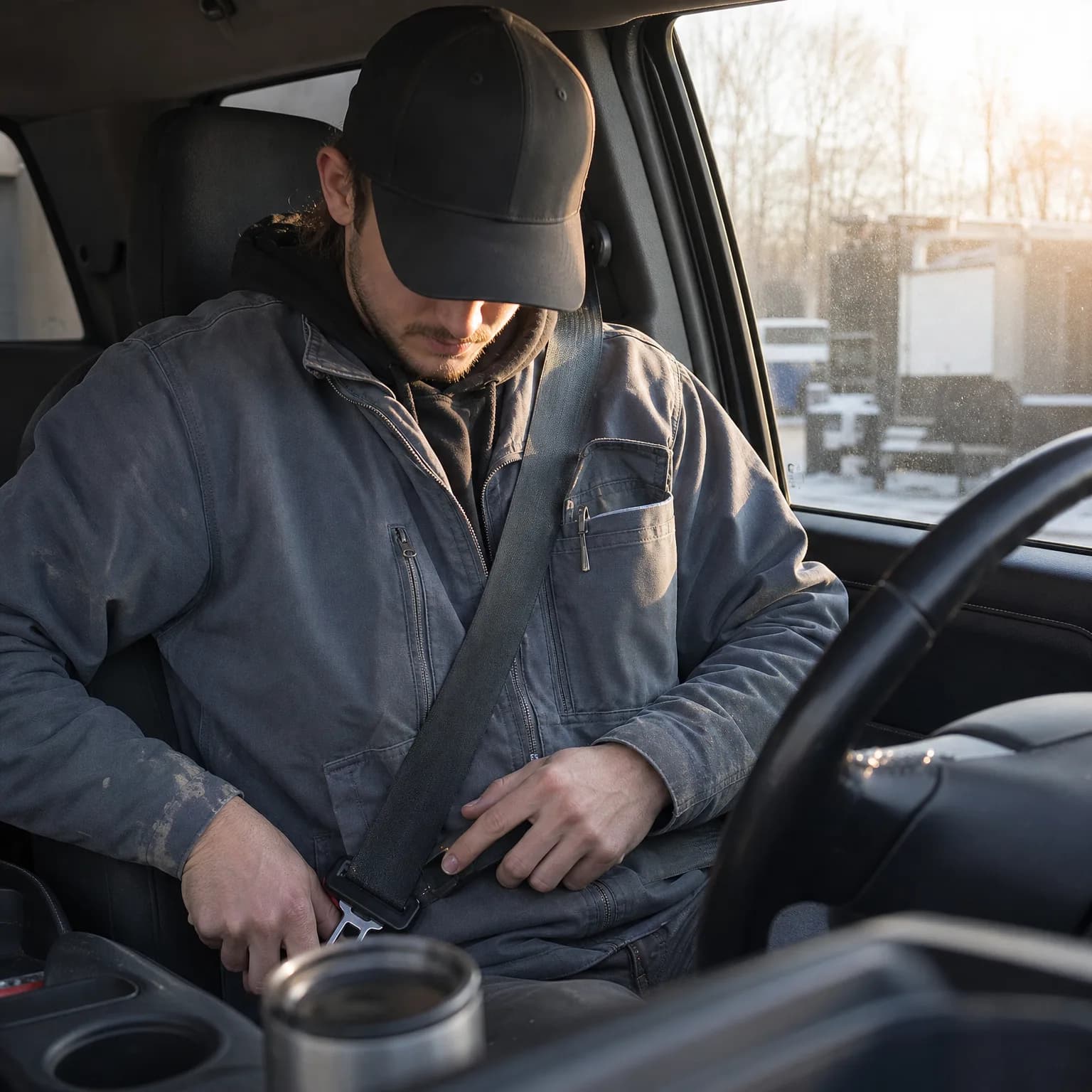
Illinois sits in the middle of the Midwest rate spectrum. The state's 15.2% uninsured-motorist rate is higher than neighboring states, which pushes up the cost of uninsured-motorist coverage. The state's fault system is traditional tort, so liability claims can be large, and insurers price that risk into premiums. Illinois allows credit-based scoring, which lowers rates for drivers with strong credit and raises them for drivers with poor credit.
The state's vehicle-theft rate is 303.1 per 100,000 population as of 2024, concentrated in Cook County and the collar counties. Comprehensive coverage costs more in high-theft areas because the risk of a total loss is higher. If you're in a rural county with low theft and low accident density, your premium will reflect that. If you're in Chicago or a near suburb, it won't.
15.2%
Illinois Uninsured Motorist Rate
15.2% of Illinois motorists are uninsured as of 2023. That's roughly one in seven drivers on the road without coverage, which is why the state mandates uninsured-motorist protection and why that coverage adds to your base premium.
Insurance Research Council, 2023
Comparing Quotes Across Carriers
Carriers price the same driver differently because they weight risk factors differently. One carrier may price young drivers aggressively and offer steep good-student discounts; another may price them conservatively and offer smaller discounts. One carrier may offer a multi-car discount that beats another carrier's single-car rate even before the discount applies. You won't know which carrier prices your profile best until you compare quotes with identical coverage limits.
Illinois has 29 carriers writing personal auto insurance in the state, including national carriers like State Farm, Geico, Progressive, and Allstate, and regional carriers like Country Financial and Auto-Owners. Some carriers write only standard-risk drivers; others specialize in non-standard or high-risk profiles. If you have a DUI, a suspension, or multiple violations, you'll get quotes from a smaller subset of carriers, and the rate spread between them will be wider.
Get Quotes That Reflect Your Coverage and Profile
The statewide average tells you what Illinois drivers paid last year in aggregate. It doesn't tell you what you'll pay this year with your coverage selections, your address, and your driving record. The only way to know what you'll pay is to request quotes from multiple carriers with identical coverage limits and compare them line by line. Start with the state minimum if you own an older car outright, or start with full coverage if you're financing. Adjust deductibles and liability limits from there based on what you can afford and what your assets justify. Compare at least three carriers writing your county, and make sure every quote reflects the same coverage so you're comparing rates, not coverage differences.
What Drives Your Premium in Illinois
Coverage level is the biggest variable. A liability-only policy with state minimums costs a fraction of a full-coverage policy with $500 collision and comprehensive deductibles. If you're financing a car, the lender sets the coverage floor, and you'll pay for collision and comprehensive whether you want them or not. If you own the car outright, you choose whether the vehicle's value justifies paying for physical-damage coverage.
Location matters because claim frequency and repair costs vary by county. Cook County drivers pay more than drivers in rural counties because theft rates, accident rates, and labor costs are higher. Your garaging address determines your base rate before any discounts apply. Driving record, age, and vehicle type layer on top of that base. A 25-year-old with a clean record pays less than a 19-year-old with a speeding ticket, even if they drive the same car and live on the same block.
Get Your Free Quote
Get My Illinois Car Insurance QuoteFrequently Asked Questions
What is the average cost of car insurance in Illinois?
The average annual auto insurance expenditure per insured vehicle in Illinois is $863.96 as of 2023. This figure includes all coverage levels and all driver profiles statewide, so your actual cost will depend on whether you carry minimum liability, full coverage, or something in between, as well as your location, age, driving record, and vehicle type.
How much does minimum car insurance cost in Illinois?
Illinois requires $25,000/$50,000/$20,000 liability and uninsured motorist coverage. A minimum-limits policy costs less than the statewide average of $863.96 per year, but the exact amount depends on your county, age, driving record, and credit score. Minimum coverage leaves you exposed if you cause a serious accident or need to replace your own vehicle.
Why do car insurance rates vary so much in Illinois?
Rates vary because carriers price coverage level, location, driving record, age, credit score, and vehicle type differently. Cook County drivers pay more than rural-county drivers because theft and accident rates are higher. A driver with a clean record pays less than a driver with violations, even in the same ZIP code. Illinois allows credit-based insurance scoring, which creates additional rate spread.
Does Illinois require full coverage car insurance?
No. Illinois requires only $25,000/$50,000/$20,000 liability and uninsured motorist coverage. Full coverage, which adds collision and comprehensive, is required by lenders if you finance or lease a vehicle, but the state does not mandate it. If you own your car outright, you choose whether to carry physical-damage coverage based on the vehicle's value.
How can I lower my car insurance cost in Illinois?
Compare quotes from multiple carriers with identical coverage limits, because carriers price the same driver differently. Raise your deductibles if you can afford a higher out-of-pocket cost at claim time. Drop collision and comprehensive on older vehicles if the premium exceeds the vehicle's value. Ask about multi-car, good-driver, and good-student discounts if you qualify.
What coverage do most Illinois drivers carry?
Most Illinois drivers with financed or leased vehicles carry full coverage because lenders require collision and comprehensive. Most drivers with older paid-off vehicles carry liability only, sometimes with higher limits than the state minimum. The statewide average of $863.96 per year reflects the mix of both groups, so it doesn't predict what coverage level is right for your household.